

The Invisible Frontline: Cybersecurity Risks in Digitalized Power Grids
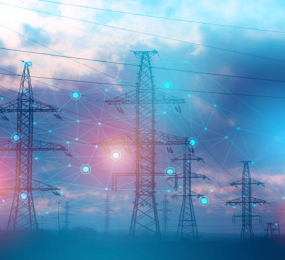
The transition from traditional electrical networks to smart grids has revolutionized how we manage energy. By integrating Internet of Things (IoT) sensors, automated controls, and real-time data analytics, utilities can optimize distribution and integrate renewable sources like solar and wind. However, this digital layer—the very thing that makes the grid "smart"—has also created a vast, complex attack surface for cyber adversaries.
The Vulnerability of Connectivity
In the past, power plants operated on "air-gapped" systems, physically isolated from the public internet. Today, the convergence of Operational Technology (OT) and Information Technology (IT) means that a breach in a corporate email system can potentially provide a pathway into the industrial control systems (ICS) that regulate voltage and frequency.
The primary risks include:
- Ransomware and Sabotage: Sophisticated actors can deploy malware to encrypt critical infrastructure data, demanding payment or, worse, causing physical damage to transformers and generators.
- Data Manipulation: By intercepting communication between smart meters and the utility, attackers can spoof data, leading to improper load balancing and localized blackouts.
- Supply Chain Attacks: Modern grids rely on thousands of third-party software and hardware components. A single compromised firmware update can act as a Trojan horse, granting backdoor access to the entire heart of the grid.
Securing the Future
Protecting the digitalized grid requires a "Defense-in-Depth" strategy. This involves implementing robust encryption, multi-factor authentication, and continuous monitoring to detect anomalies in real-time. Furthermore, adopting a Zero Trust architecture—where no device or user is trusted by default—is essential to containing potential lateral movement by hackers.
As our reliance on electricity grows with the rise of electric vehicles and smart homes, cybersecurity is no longer just a technical requirement; it is a pillar of national security.







Comment