

The Role of NRMM in a Sustainable Future
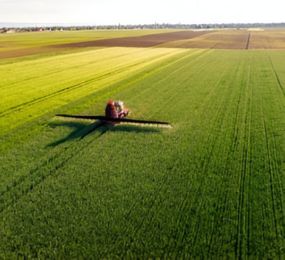
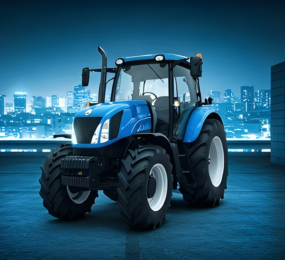
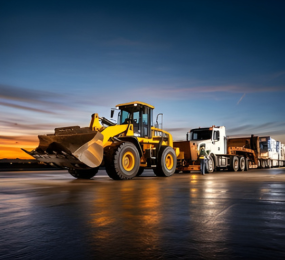
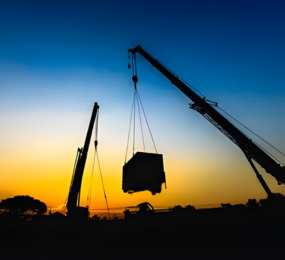
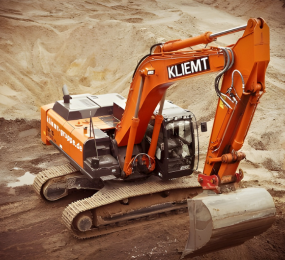
When we think about emissions and air quality, the spotlight often falls on road transport, aviation, or shipping. Yet, a significant contributor to air pollution lies in a less visible sector: Non-Road Mobile Machinery (NRMM). From construction sites to agriculture and mining, NRMM includes equipment such as excavators, bulldozers, cranes, tractors, and generators machinery that powers essential industries but also carries an environmental burden.
Why NRMM Matters
NRMM plays a vital role in global economies, supporting infrastructure development, food production, and energy supply. However, these machines typically rely on diesel engines, making them a notable source of nitrogen oxides (NOx), particulate matter (PM), and greenhouse gas emissions. Unlike road vehicles, many NRMM engines have historically faced less stringent regulation, which has allowed older, more polluting machines to remain in operation longer.
As cities grapple with air quality issues and governments set ambitious climate targets, NRMM has become a focus for change. Addressing its impact is not just about environmental responsibility it is about public health, innovation, and long-term economic sustainability.
The Push for Cleaner Solutions
Across Europe, Asia, and Africa, regulators are tightening standards on NRMM emissions. In the European Union, for example, the Stage V emission standards set strict limits on particulate and nitrogen oxide emissions, pushing manufacturers toward cleaner engines and advanced exhaust after-treatment systems.
But regulation alone cannot drive the transition. Industry players are investing in innovation hybrid and fully electric machinery, hydrogen-powered engines, and alternative fuels are emerging as solutions that reduce dependency on fossil fuels while keeping productivity high. These technological advancements represent a shift in how heavy machinery can align with climate and air quality goals.
The Challenge of Transition
For operators, the transition to cleaner NRMM presents both opportunities and challenges. Retrofitting existing machinery with emission-reducing technologies, replacing fleets with low-emission alternatives, and managing higher upfront costs are real concerns. However, the long-term benefits reduced fuel costs, compliance with environmental regulations, and a healthier workforce make the transition a worthwhile investment.
Furthermore, collaboration between policymakers, manufacturers, and industry operators is crucial. Incentives, financing mechanisms, and awareness campaigns can ease the shift toward cleaner NRMM while ensuring that small and medium-sized businesses remain competitive.
A Path Forward
The future of NRMM lies in striking a balance between functionality and sustainability. With construction and agriculture at the heart of global development, these industries cannot afford to ignore environmental considerations. Clean NRMM technologies not only contribute to reducing emissions but also demonstrate industry leadership in addressing one of today’s pressing challenges sustainable growth.
Learn more on our website: https://www.leadventgrp.com/event/2nd-annual-non-road-mobile-machinery-electrification-and-decarbonization-forum/register
For more information and group participation, contact us: [email protected]
Leadvent Group - Industry Leading Events for Business Leaders!
www.leadventgrp.com | [email protected]










Comment