

The Shifting Gears of the Automotive Industry: Innovation, Challenges, and the Road Ahead
The automotive industry has always been a symbol of progress. From the early days of steam-powered engines to the global highways we navigate today, automobiles have shaped how we live, work, and connect. But we’re now witnessing one of the most dramatic transformations in its history.
More than just manufacturing cars, the modern automotive industry stands at the crossroads of technology, sustainability, and changing consumer needs.
A Sector in Motion
For over a century, the automotive industry revolved around internal combustion engines, steel frames, and fuel stations. That model is rapidly changing. Electric vehicles (EVs) are no longer a niche option they’re fast becoming mainstream. Driven by environmental concerns, government regulations, and advances in battery technology, electric mobility is forcing automakers to rethink how they design and build vehicles.
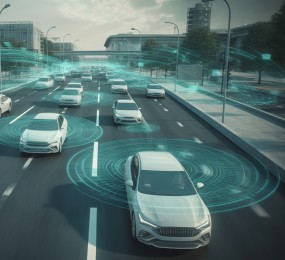
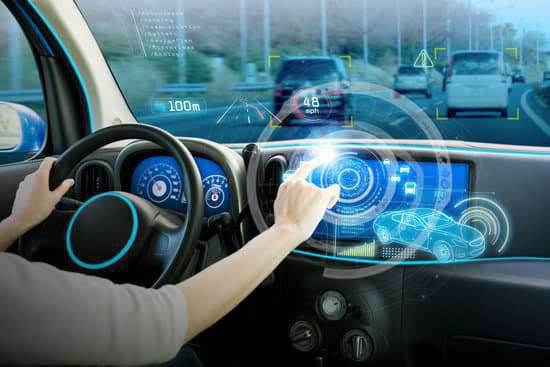
But electrification isn’t the only major shift. The rise of connected cars, autonomous driving, and shared mobility platforms is redrawing the map of mobility itself. Vehicles today are rolling computers, equipped with sensors, AI systems, and over-the-air software updates.
This isn’t just about luxury or convenience. These features are saving lives through advanced driver-assistance systems (ADAS), improving fuel efficiency, and offering a glimpse of a future where traffic collisions are greatly reduced or even eliminated.
Sustainability at the Core
Alongside innovation, there’s a growing push for sustainability. Consumers and regulators alike are demanding cleaner, greener solutions. From materials used in manufacturing to how cars are powered and recycled, the entire automotive value chain is under scrutiny.
Many manufacturers are committing to net-zero targets and reducing the environmental impact of production facilities. Supply chains are being restructured to support circularity, and research is expanding into bio-based materials, synthetic fuels, and hydrogen propulsion.
The automotive sector now plays a key role in meeting global climate targets and automakers can’t afford to fall behind.
Challenges Along the Way
The road isn’t without bumps. Supply chain disruptions, especially in the semiconductor market, have shown how vulnerable even the biggest players can be. Inflation, shifting regulations, and raw material shortages are also reshaping strategies.
On the consumer side, affordability remains a concern. While EVs are growing in popularity, price points, charging infrastructure, and range anxiety still influence buying decisions.
That’s where adaptability comes in. Manufacturers that blend innovation with agility offering smart financing, diverse models, and robust after-sales support will likely lead the charge.
A New Era of Mobility
This is more than just an industry trend; it’s a societal shift. The way we think about transportation is evolving. Cars are no longer just vehicles; they’re services, data hubs, and sustainability tools. The automaker of today isn’t just building for the road it’s building for the future.
Takeaway Point: The automotive industry is more than machines it’s a dynamic, evolving force shaping how we move, live, and adapt to the world around us. Embracing innovation while staying grounded in sustainability is key to driving long-term success and impact.
Learn more on our website: https://www.leadventgrp.com/event/3rd-annual-automotive-functional-safety-forum/register
For more information and group participation, contact us: [email protected]
Leadvent Group - Industry Leading Events for Business Leaders!
www.leadventgrp.com | [email protected]








Comment