

Why Submarine Power Cables Are Becoming Europe's Most Strategic Energy Infrastructure
Europe's transition to a cleaner, more resilient energy system is accelerating at an unprecedented pace. Offshore wind farms are expanding further into deeper waters, electricity demand continues to rise, and countries are strengthening cross-border cooperation to improve energy security. At the centre of this transformation lies an often-overlooked piece of infrastructure: submarine power cables.
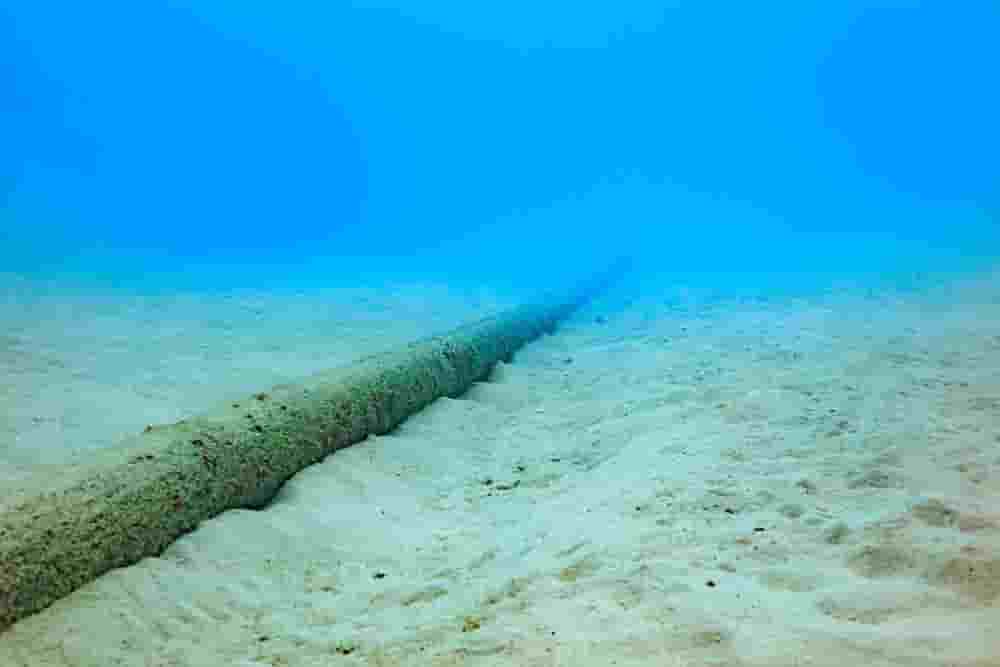
These high-voltage cables, installed beneath seas and oceans, have become essential for connecting offshore renewable energy projects to the mainland, enabling electricity trading between countries, and supporting a more integrated European power grid. As governments pursue ambitious decarbonisation targets while seeking greater energy independence, submarine cable networks are increasingly viewed as strategic national assets rather than simply engineering projects.
The growing investment across the North Sea, Baltic Sea, Mediterranean, and Atlantic regions demonstrates how submarine interconnections are reshaping Europe's energy landscape. What was once considered supporting infrastructure has become one of the foundations of the continent's energy future.
The Growing Importance of Cross-Border Electricity Interconnection
Europe's electricity system has evolved considerably over the past decade. Rather than operating as isolated national grids, countries are becoming increasingly interconnected to improve reliability, optimise renewable energy generation, and strengthen energy security.
Submarine interconnectors make this possible.
By linking electricity markets across borders, these cables enable countries to import and export electricity based on supply and demand. During periods of high renewable generation, surplus electricity can be transmitted to neighbouring countries instead of being curtailed. Likewise, when domestic generation is insufficient, interconnected networks provide access to alternative energy sources.
This flexibility is becoming increasingly important as renewable energy forms a larger share of Europe's electricity mix.
Offshore Wind Is Driving Record Cable Investment
Europe remains the global leader in offshore wind development, with significant projects under construction across the North Sea, Baltic Sea, Irish Sea, and Atlantic coastline.
Unlike conventional power stations located near existing transmission infrastructure, offshore wind farms require extensive subsea transmission networks to transport electricity over long distances.
Every new offshore wind project creates additional demand for:
· Export cables
· Inter-array cables
· Offshore converter platforms
· High Voltage Direct Current (HVDC) systems
· Grid interconnection infrastructure
As turbines move further offshore to capture stronger and more consistent wind resources, transmission distances continue to increase. This has accelerated investment in advanced cable technologies capable of delivering larger volumes of electricity with minimal transmission losses.
Submarine power cables have therefore become indispensable to Europe's renewable energy ambitions.
HVDC Technology Is Transforming Long-Distance Power Transmission
One of the most significant developments in recent years has been the widespread adoption of High Voltage Direct Current (HVDC) technology.
Compared with traditional alternating current (AC) transmission, HVDC offers several advantages for long-distance submarine connections:
· Lower transmission losses
· Higher power transfer capacity
· Greater grid stability
· Improved integration of renewable energy
· Efficient interconnection between different national grids
Many of Europe's newest interconnection projects now utilise HVDC technology, particularly where transmission distances exceed several hundred kilometres.
This technology is expected to play an increasingly important role as offshore renewable energy capacity continues expanding.
Conclusion
As Europe accelerates its transition towards a cleaner, more interconnected, and resilient electricity network, submarine power cables have emerged as one of the continent's most valuable infrastructure assets.
Their role extends far beyond connecting offshore wind farms. They strengthen energy security, facilitate cross-border electricity trading, enable renewable energy integration, and support the development of an increasingly flexible and reliable power system.
Continued investment, technological innovation, and international collaboration will be essential to unlocking the full potential of submarine power cable infrastructure in the years ahead.
Join the Conversation at the 6th Annual Submarine Power Cable and Interconnection Forum
The future of Europe's energy transition depends on robust transmission infrastructure and strong international collaboration.
The 6th Annual Submarine Power Cable and Interconnection Forum brings together transmission system operators, utilities, offshore wind developers, cable manufacturers, EPC contractors, policymakers, regulators, investors, and technology providers to discuss the latest developments shaping the submarine power cable industry.
Attendees will explore advances in HVDC technology, offshore grid integration, cable installation, digital monitoring, asset management, interconnection policy, supply chain resilience, and the engineering innovations driving Europe's evolving energy landscape.
Join industry leaders to exchange knowledge, build strategic partnerships, and contribute to the future of interconnected, secure, and sustainable electricity networks.
Takeaway Point: Offshore wind provides a high-capacity, low-emission energy solution, supporting sustainable growth while driving innovation in the global renewable energy sector.
For more information and group participation, contact us: [email protected]
Leadvent Group - Industry Leading Events for Business Leaders!





Comment