

World ESG: Building a Responsible Future Through Environmental, Social, and Governance Practices
In today’s fast-changing world, businesses are no longer judged solely by their financial performance. Investors, regulators, and communities now expect companies to show responsibility in how they impact the planet, society, and governance structures. This is where ESG: Environmental, Social, and Governance comes into sharp focus, not as a trend, but as a global movement reshaping industries and investment landscapes.
Understanding ESG at a Global Scale
World ESG goes beyond corporate responsibility; it represents a framework for creating long-term value while addressing some of the most pressing challenges of our time. From climate change and resource scarcity to social inequality and ethical governance, ESG provides a practical lens through which organizations can measure and improve their impact.
1. Environmental: Companies are expected to minimize their carbon footprint, adopt renewable energy, and manage resources responsibly.
2. Social: Attention is placed on workforce diversity, labor rights, community engagement, and consumer protection.
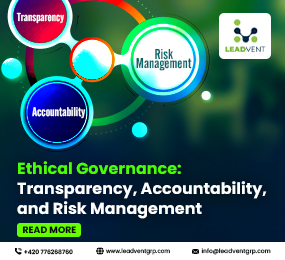
3. Governance: Transparent leadership, ethical business practices, and accountability ensure that businesses operate with integrity.
Why ESG Matters Globally
The significance of ESG lies in its ability to balance profitability with responsibility. Investors increasingly recognize that companies prioritizing ESG factors are better positioned to manage risks, adapt to regulatory changes, and sustain growth. In fact, ESG-driven businesses often outperform in the long term because they align with evolving consumer values and global sustainability goals.
On a larger scale, World ESG provides a bridge between private sector efforts and international commitments, such as the United Nations Sustainable Development Goals (SDGs) and the Paris Agreement on climate change. By aligning business practices with these frameworks, ESG becomes a global tool for resilience and shared progress.
The Global Shift Toward ESG Integration
Across continents, financial markets, governments, and corporations are embedding ESG into decision-making. Europe has taken the lead with mandatory ESG
disclosures and stricter regulations, while North America and Asia are rapidly catching up. Emerging economies are also recognizing ESG as a pathway to attract responsible investment and unlock sustainable growth opportunities.
For businesses, ESG adoption is no longer optional, it is becoming a license to operate. Companies that fail to address ESG concerns risk losing investor confidence, facing reputational damage, or being left behind in a competitive market.
Challenges and Opportunities
Despite its growing relevance, ESG integration is not without hurdles. Lack of uniform reporting standards, data reliability, and greenwashing remain concerns. However, these challenges also present opportunities for innovation, collaboration, and the development of clearer global benchmarks.
Conclusion
World ESG is more than a compliance framework, it is a vision of how businesses, investors, and societies can work together to build a more sustainable and equitable future. As global challenges intensify, ESG provides a path not only for resilience but also for meaningful impact.
Takeaway Point: World ESG is driving a global transformation, guiding businesses and investors to balance profitability with sustainability. Its growing influence shows that success in today’s world is defined not only by financial returns, but also by the responsibility to people, planet, and future generations.
Learn more on our website: https://www.leadventgrp.com/event/2nd-annual-world-esg-and-climate-summit/register For more information and group participation, contact us: [email protected] .
Leadvent Group - Industry Leading Events for Business Leaders!
www.leadventgrp.com | [email protected]













Comment