

World ESG: Shaping a Sustainable Future for Business and Society
Environmental, Social, and Governance (ESG) considerations have moved from being niche priorities to central pillars guiding how businesses operate worldwide. In an era where climate change, social responsibility, and corporate accountability dominate public discourse, ESG is no longer optional, it’s a strategic imperative. Organizations across industries are recognizing that long-term success is inseparable from sustainability, transparency, and ethical conduct.
Environmental responsibility remains the most visible dimension of ESG. Companies are under increasing pressure to reduce carbon emissions, optimize energy usage, and adopt sustainable resource management practices. From renewable energy adoption to efficient waste management, businesses are seeking solutions that minimize environmental impact while maintaining operational resilience. Investors and stakeholders alike are paying close attention, rewarding organizations that can demonstrate measurable progress toward a low-carbon future.
The social component emphasizes the human side of business. This includes employee well-being, diversity and inclusion, community engagement, and ethical labor practices. Organizations that invest in their people and communities cultivate stronger trust and loyalty, which in turn drives better performance. The recent global focus on social equity has further highlighted the importance of transparent policies that promote fairness, accessibility, and employee empowerment.
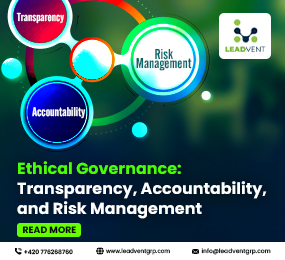
Governance, the third pillar of ESG, ensures that companies operate with integrity and accountability. Effective governance frameworks include transparent reporting, robust risk management, ethical decision-making, and active oversight by boards and executives. Strong governance helps prevent misconduct, builds investor confidence, and enhances long-term sustainability.
The global landscape of ESG is rapidly evolving. Regulations are becoming stricter, with governments introducing mandatory reporting standards and sustainability disclosures. Financial markets are increasingly incorporating ESG metrics into investment decisions, recognizing that companies excelling in ESG practices are more resilient and better positioned for long-term growth. Moreover, consumers are demanding greater corporate accountability, favoring brands that align with their values and ethical standards.
Despite progress, challenges remain. Many organizations struggle with inconsistent ESG data, fragmented reporting frameworks, and balancing short-term profitability with long-term sustainability goals. However, the trend is clear: businesses that
embed ESG into their core strategy are more likely to thrive in a world that values responsible, sustainable practices.
At its essence, ESG is about redefining success. It challenges companies to think beyond immediate profits and consider their broader impact on the planet, society, and the economy. Organizations embracing this mindset are not only contributing to a better world—they are also building stronger, more resilient businesses.
Takeaway Point
World ESG is transforming the way businesses operate, emphasizing environmental stewardship, social responsibility, and ethical governance. Companies that integrate ESG principles into their strategies are better equipped for long-term success while creating positive societal and environmental impact.
Learn more on our website: https://www.leadventgrp.com/event/2nd-annual-world-esg-and-climate-summit/register
For more information and group participation, contact us: [email protected]
Leadvent Group - Industry Leading Events for Business Leaders!
www.leadventgrp.com | [email protected]















Comment