

Automotive Safety: Protecting People in a Fast-Evolving Mobility World
As global mobility continues to evolve, automotive safety remains the steady anchor that keeps progress grounded. While car design has become more sophisticated and technology has transformed the driving experience, the essential mission of the industry has not changed: keeping people safe on the road. Today, that mission is being shaped by a combination of smarter engineering, better materials, digital intelligence, and a deeper understanding of human behavior.
Decades ago, automotive safety focused heavily on structural strength crumple zones, reinforced frames, and reliable seatbelts. These foundational elements are still crucial, but safety has now expanded into a much broader ecosystem. Modern vehicles do far more than simply protect passengers during a crash; they actively work to help prevent one from happening in the first place.
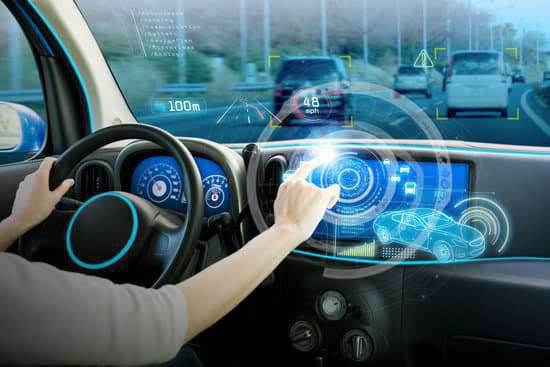
Advanced driver-assistance systems (ADAS) have become a defining feature of today’s vehicles. Features such as automatic emergency braking, lane-keeping assistance, blind-spot monitoring, and adaptive cruise control work quietly in the background, supporting drivers in moments when attention slips or conditions suddenly change. These systems are not replacements for human judgment, but they act as an additional layer of vigilance an invaluable asset in today’s fast-paced road environments.
Vehicle connectivity is also reshaping safety in profound ways. Through real-time data sharing, cars can warn drivers about road hazards, sudden traffic changes, or dangerous weather conditions ahead. Over-the-air updates allow manufacturers to continuously improve a vehicle’s safety performance even after it has left the showroom. This ability to keep safety features current reflects a more proactive, holistic approach to protecting road users.
At the manufacturing level, safety innovation is just as important. Carmakers are investing in materials that combine strength with lightweight performance, improving crash protection while supporting fuel efficiency or battery range in electric vehicles. Testing has also become more comprehensive, incorporating digital simulations alongside physical crash tests to understand how vehicles perform in a wide range of real-world scenarios.
But automotive safety is not solely about technology, it is also about people. Human behavior remains the most influential factor in road safety. Distraction, fatigue, speeding, and impaired driving continue to be leading causes of accidents worldwide. As a result, the industry is increasingly blending technology with behavioral insights.
Driver monitoring systems, enhanced visibility features, intuitive dashboards, and simplified controls all aim to support safer decision-making behind the wheel.
Regulators, manufacturers, and consumers are beginning to align more closely on safety expectations. Stricter standards, independent safety ratings, and rising public awareness have pushed safety from a “nice-to-have” to a non-negotiable priority. This shift is creating a more transparent environment where safety performance significantly influences purchasing decisions.
Automotive safety is ultimately a shared responsibility between the technology built into vehicles, the infrastructure that supports them, and the decisions people make while driving. As mobility continues to evolve with electrification, automation, and connected systems, the commitment to keeping people safe must remain at the center of every innovation.
Takeaway Point
Automotive safety is advancing through a blend of smarter technology, stronger engineering, and a deeper focus on human behavior ensuring that as mobility evolves, people remain protected on every journey.
Learn more on our website: https://www.leadventgrp.com/event/3rd-annual-automotive-functional-safety-forum/register
For more information and group participation, contact us: [email protected]
Leadvent Group - Industry Leading Events for Business Leaders!
www.leadventgrp.com | [email protected]













Comment