Programme Highlights

Key Topics & Discussions

Explore the key trends, challenges, innovations and strategic priorities shaping the industry, with focused discussions on practical solutions, emerging opportunities and the future of the sector.

Programme Highlights

Key Topics & Discussions

Two days of structured debate, case-study presentations, and working sessions across the most critical challenges in this sector.

Programme

Explore Our Agenda

Case Study
09:05AM — 09:30AM

Cost-efficiency of Emission Reduction Projects across the EU Industries

This speech will review projects in progress and planned across 'the heavy-emitting sectors such as steel, cement and chemicals. It has the aim to look at the cost per tonne of CO2 saved (the effective CO2 price) and also to review the efficiency of state funding schemes.
Speaker
Prof. Graham Weale
Prof. Graham Weale

Ruhr University Bochum, Professor for Energy Economics and Policy

Case Study
09:25AM — 09:45AM

Taking BECCS to the Market

  • Stockholm Exergi is currently constructing what will be the world largest BECCS plant (Beccs Stockholm) removing 800.000 tonnes of CO2 annually starting in 2028 
  • The project is backed by the European Commission, the Swedish Government and leading buyers on the VCM such as Microsoft, Google and Stripe. 
  • The EUR1,2b final investment decision was taken in March 2025 following more that 400.000 hours of engineering. 
  • Taking Beccs Stockhoplm to the market has required deep collaboration and business development with CDR buyers, other developers and Government officials. The environmental permit process alone involved 27 different autorities
Speaker
Erik Rylander
Erik Rylander

Commercial Director Carbon Dioxide Removal, Stockholm Exergi AB

Case Study
09:45AM — 10:05AM

Seizing Our Momentum to Accelerate Industrial Decarbonisation

Most don’t realize that we have arrived at a unique moment. Many decarbonisation technologies have matured, business cases are becoming more and more positive, and viable alternatives to carbon-intensive processes are emerging. It is difficult to realize the pace of progress shown in only 5 years (a result of the effort over a much longer period by governments, R&D and Industrial pioneers). At the same time, the economic impact of climate change is becoming more visible every year. Yet momentum often creates resistance. Organisations and individuals are naturally risk-averse, conservative. We see this reflected in regulatory rollbacks, changing corporate strategies, and resistance to implementation. The challenge is no longer whether decarbonisation is possible, but how to convert momentum into action. This presentation explores how organisations can recognise this unique moment, overcome implementation barriers and accelerate industrial decarbonisation towards the new economy.

  • Recognising how much progress has already been achieved
  • Overcoming organisational and supply-chain resistance
  • Converting momentum into action
  • Accelerating industrial decarbonisation towards the new economy 
Speaker
Gerwin Bukkems
Gerwin Bukkems

Founder and Director, Decarbion

Case Study
10:05AM — 10:25AM

Beyond Technology: The Hidden Infrastructure of Energy Transition

While much of the industry conversation rightly focuses on hydrogen, electrification, carbon capture, sustainable fuels and other technology pathways, my presentation would explore a less frequently discussed aspect of decarbonisation: the operational, organisational and human infrastructure required to make those investments successful. Drawing on my experience leading Safety & ESG for Shell Real Estate, SBO & Corporate Travel, I will share perspectives on how industrial organisations can accelerate decarbonisation through better management of their built environment, industrial support assets, workplaces, contractor ecosystems, governance frameworks and workforce engagement. The session will focus on practical leadership dilemmas that many organisations face today, including balancing carbon reduction with cost, resilience, safety, workforce adoption and long-term asset performance.
Key themes include:
  • Why decarbonisation is ultimately an asset management and business transformation challenge rather than purely a technology challenge.
  • The role of industrial facilities, workplaces, accommodation and supporting infrastructure in enabling Net Zero ambitions.
  • How governance, assurance and decision-making influence the success of sustainability investments.
  • The importance of contractor engagement, safety culture, worker welfare and human behaviour in delivering lasting change.
  • Moving beyond carbon to create long-term value for people, business and the planet through an integrated sustainability approach. My objective is to provide attendees with practical insights and a different perspective on industrial decarbonisation, focusing on the often-overlooked factors that determine whether transition strategies succeed in practice.
Speaker
Marianne Voerman
Marianne Voerman

GM Safety & ESG, Shell Real Estate, SBO & Corporate Travel

Case Study
10:25AM — 10:45AM

From Ambition to Implementation: Making Industrial Decarbonisation Practical, Investable and Deliverable

  • Translating industrial net zero ambition into practical, site-level implementation plans.
  • Prioritising decarbonisation measures based on carbon impact, feasibility, cost, operational risk and business value.
  • Embedding decarbonisation into strategic investment decisions and wider business cases.
  • Creating deliverable pathways through sequencing, governance, stakeholder buy-in and integration with capital planning
Speaker
Alessandro Ciampechini

Technical Director, WSP

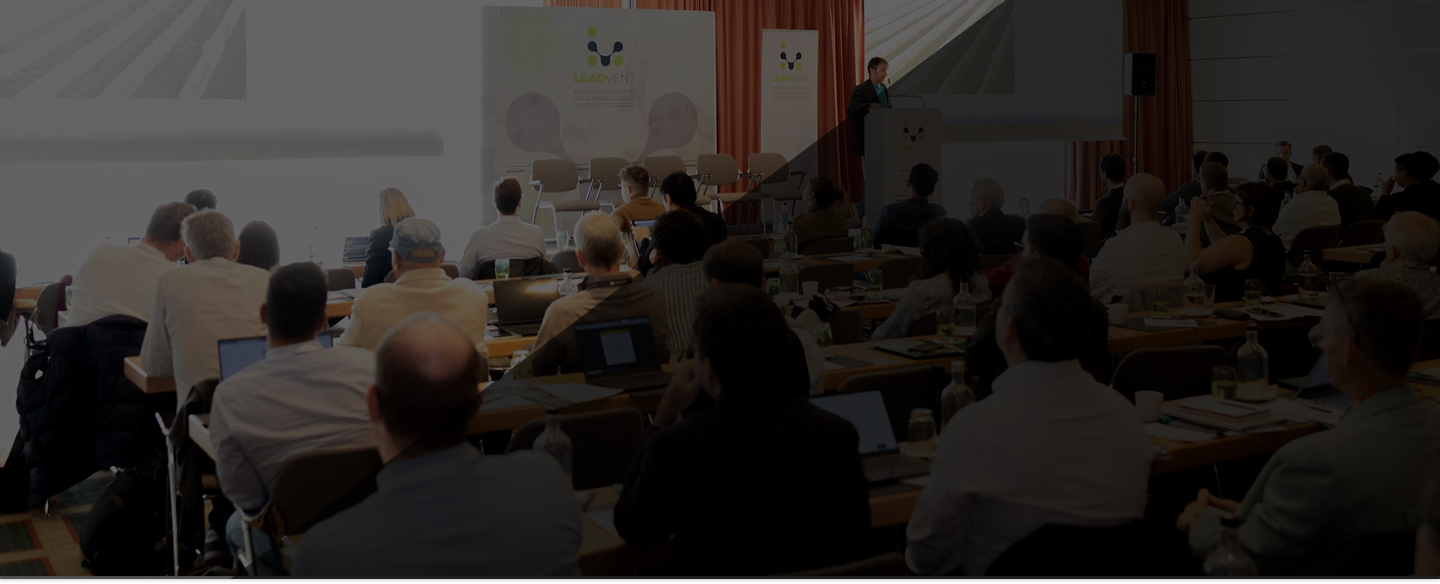
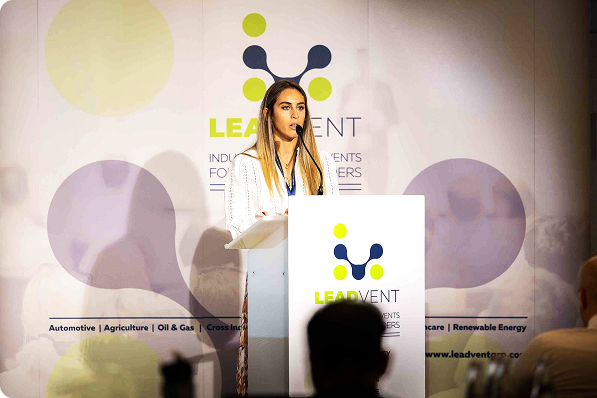
Speaker at podium
Live · 240+ speakers on stage
Share Your Expertise

Become a Speaker

If you'd like to join us as a speaker, fill out the “Become a Speaker” form below and our programme team will be in touch. Alternatively, reach out directly to Mark Perry:

markp@leadventgrp.com