
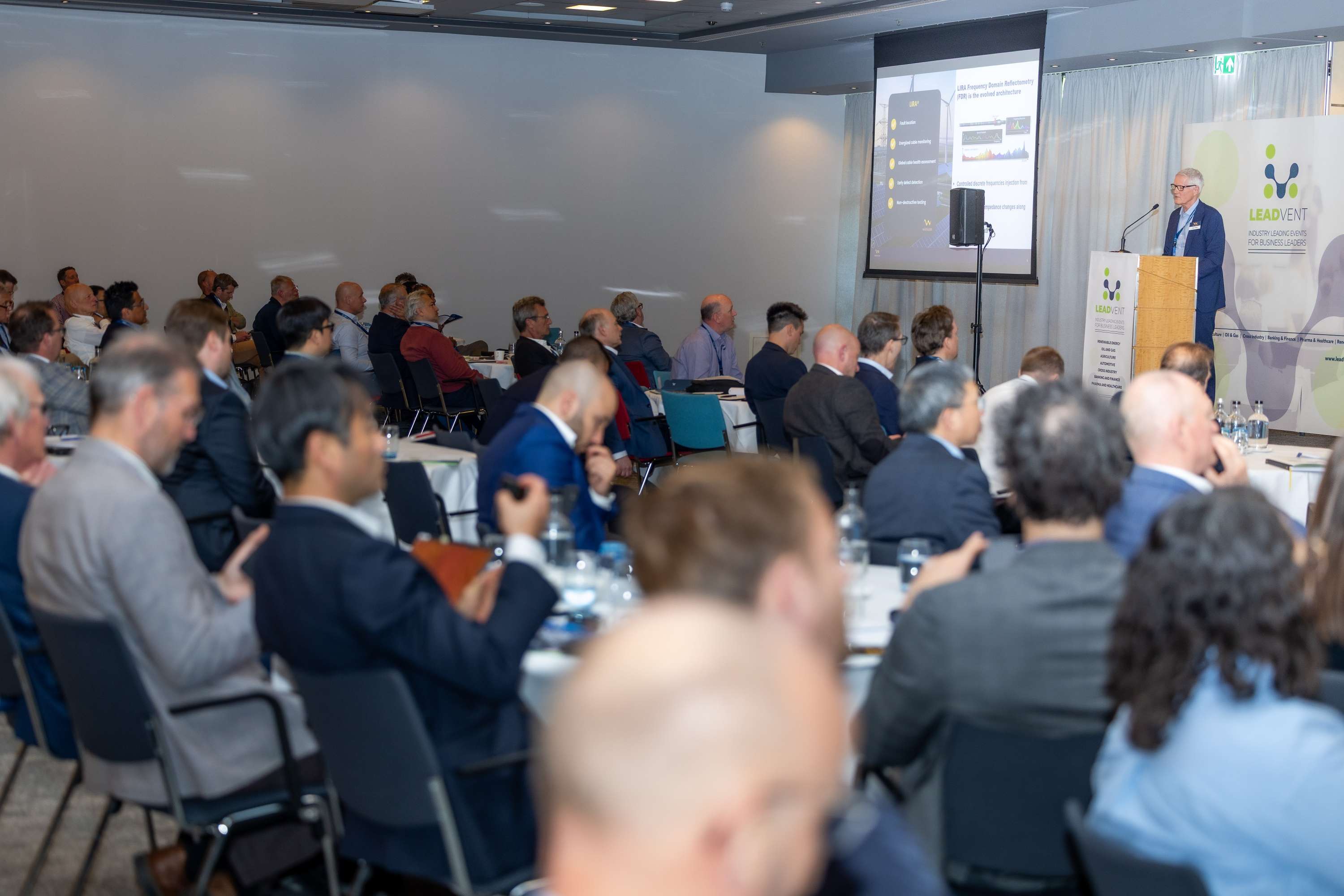
About The Event

About The Event
Event Story
About The Event

About The Event

The Carbon Capture, CO2 Transport & Storage Infrastructure 2027 brings together energy companies, industrial manufacturers, carbon capture technology developers, pipeline operators, storage developers, engineering firms, investors, regulators, and policymakers to examine the infrastructure and technologies required to scale carbon capture, utilisation, and storage (CCUS). As industries face increasing pressure to reduce emissions and achieve net-zero targets, carbon management infrastructure is becoming an important component of industrial decarbonisation strategies.

The event provides a focused platform to explore developments across the carbon capture and storage value chain, from emissions separation and CO2 conditioning to transportation, injection, and permanent geological storage. Discussions will examine industrial carbon capture applications, pipeline networks, shipping infrastructure, storage site development, offshore CO2 storage, monitoring and verification, regulatory frameworks, and commercial models supporting large-scale CCUS deployment.


35+
Speakers
150+
Attendees
10+
Sponsors
Industry Landscape

The transition towards net-zero emissions is creating growing demand for carbon management solutions, particularly across hard-to-abate sectors such as cement, steel, chemicals, refining, power generation, and heavy manufacturing. Carbon capture technologies are increasingly being considered as part of wider industrial decarbonisation strategies, particularly where direct electrification or alternative production methods cannot eliminate emissions entirely. At the same time, the development of shared CO2 transportation and storage infrastructure is becoming increasingly important. Industrial...

Industry Landscape
Market Challenges
Market Challenges

The development of large-scale carbon capture and storage infrastructure faces several challenges, including high capital expenditure, energy requirements, uncertain project economics, infrastructure availability, and regulatory complexity. Industrial operators must address the technical requirements of capturing different CO2 streams, including variations in concentration, pressure, impurities, and emissions volumes. Transportation and storage developers must also ensure that pipelines, shipping systems, compression facilities, and injection infrastructure meet strict safety and operational...

WHO SHOULD ATTEND

Advances in solvent-based capture, solid sorbents, membrane separation, direct air capture, and other next-generation technologies are expanding the range of available carbon capture solutions. The development of shared CO2 pipeline networks, specialised CO2 shipping vessels, offshore storage hubs, and interconnected industrial clusters is also improving the potential for large-scale carbon transportation and storage. Digital monitoring, artificial intelligence, geological modelling, and advanced measurement technologies are creating new opportunities to improve storage site assessment,...

WHO SHOULD ATTEND

Explore the key topics shaping industry priorities, challenges, and opportunities.

  • CO2 conditioning, compression, and liquefaction
  • CO2 pipeline infrastructure and transportation networks
  • CO2 shipping and cross-border transportation
  • Geological storage site development and assessment
  • Offshore CO2 storage and injection technologies
  • Storage monitoring, measurement, and verification

The Carbon Capture, CO2 Transport & Storage Infrastructure 2027 provides a platform to examine the technologies, infrastructure, and commercial strategies required to scale carbon capture and storage. Participants will explore the challenges associated with industrial emissions capture, CO2 transportation, geological storage, infrastructure development, regulatory approval, and long-term storage management. The event offers an opportunity to exchange industry knowledge, evaluate emerging carbon management solutions, and connect with stakeholders involved in developing the integrated infrastructure needed to support industrial decarbonisation and net-zero ambitions.