About The Event ()
Methane emissions have become one of the highest-impact opportunities for accelerating global climate action. As governments strengthen methane reduction commitments and industries face increasing regulatory requirements, organisations across the energy, oil and gas, utilities, waste, agriculture, and industrial sectors are investing in practical solutions to monitor, measure, and reduce methane emissions.
Read more
35+
Speakers

150+
Attendees

5+
Sponsors
Event Inclusions

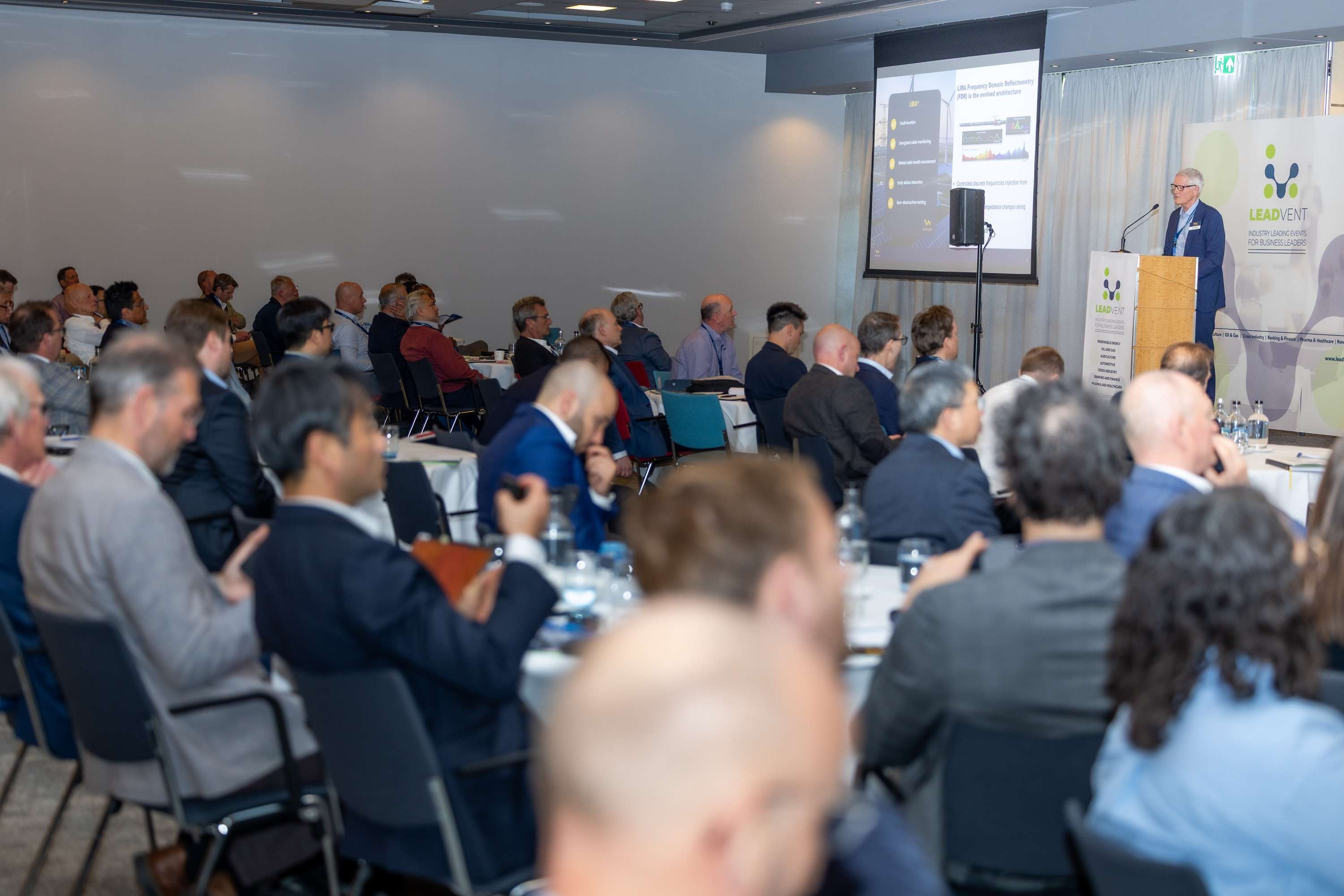
Case Study Presentations
Giving practical and actionable insights.

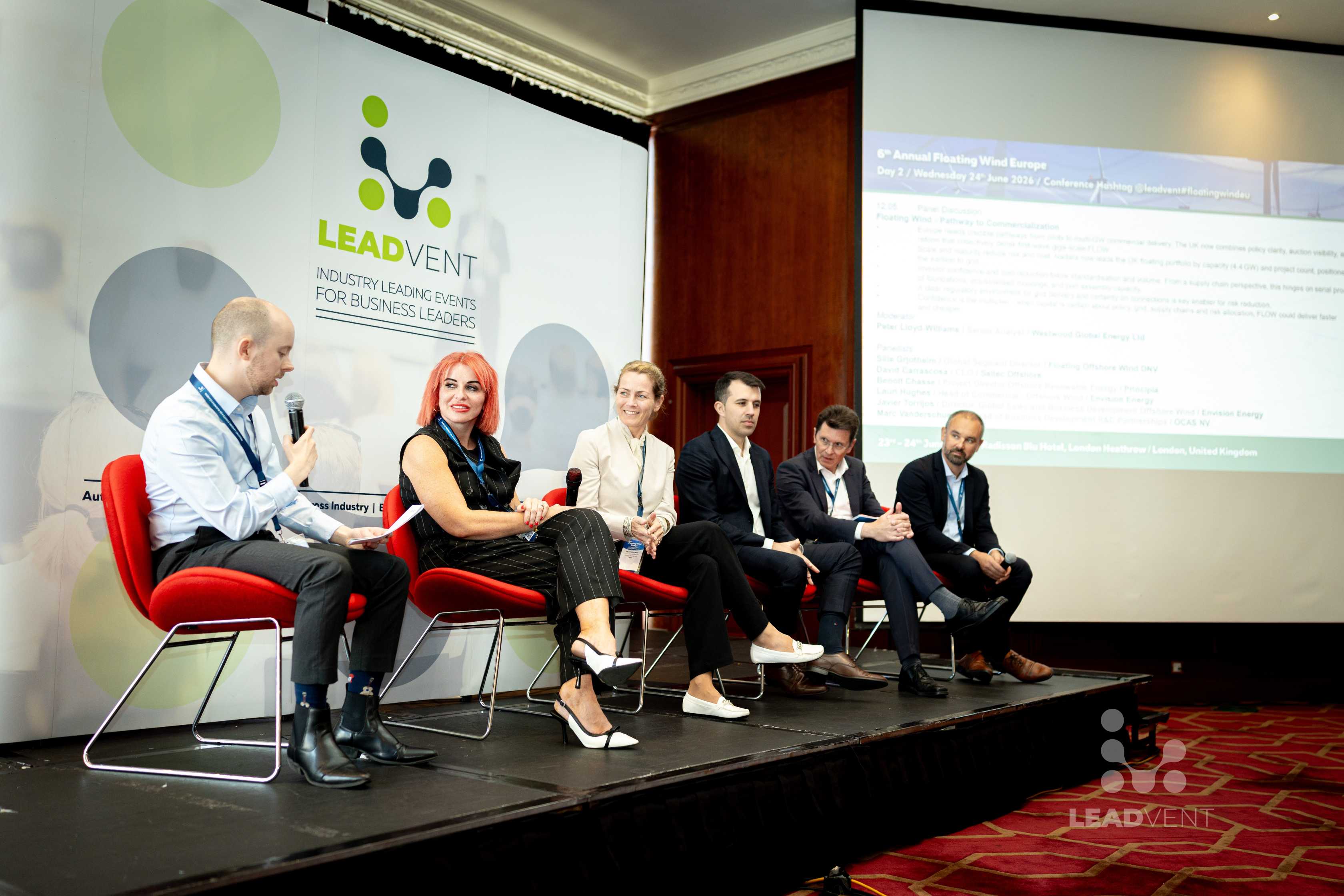
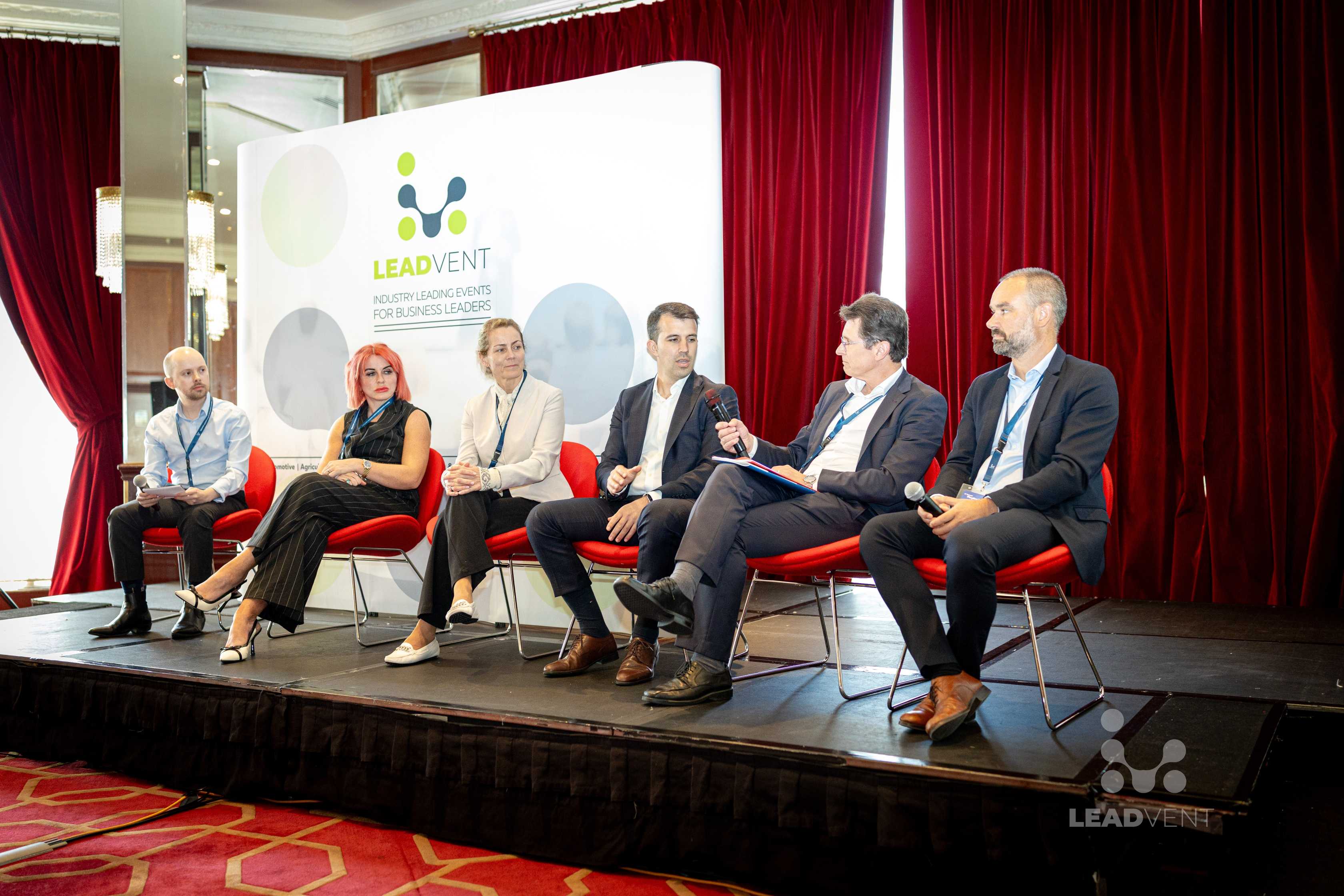
Strategic Panel Discussions
Discuss and debate strategies with your peers and most knowledgeable experts

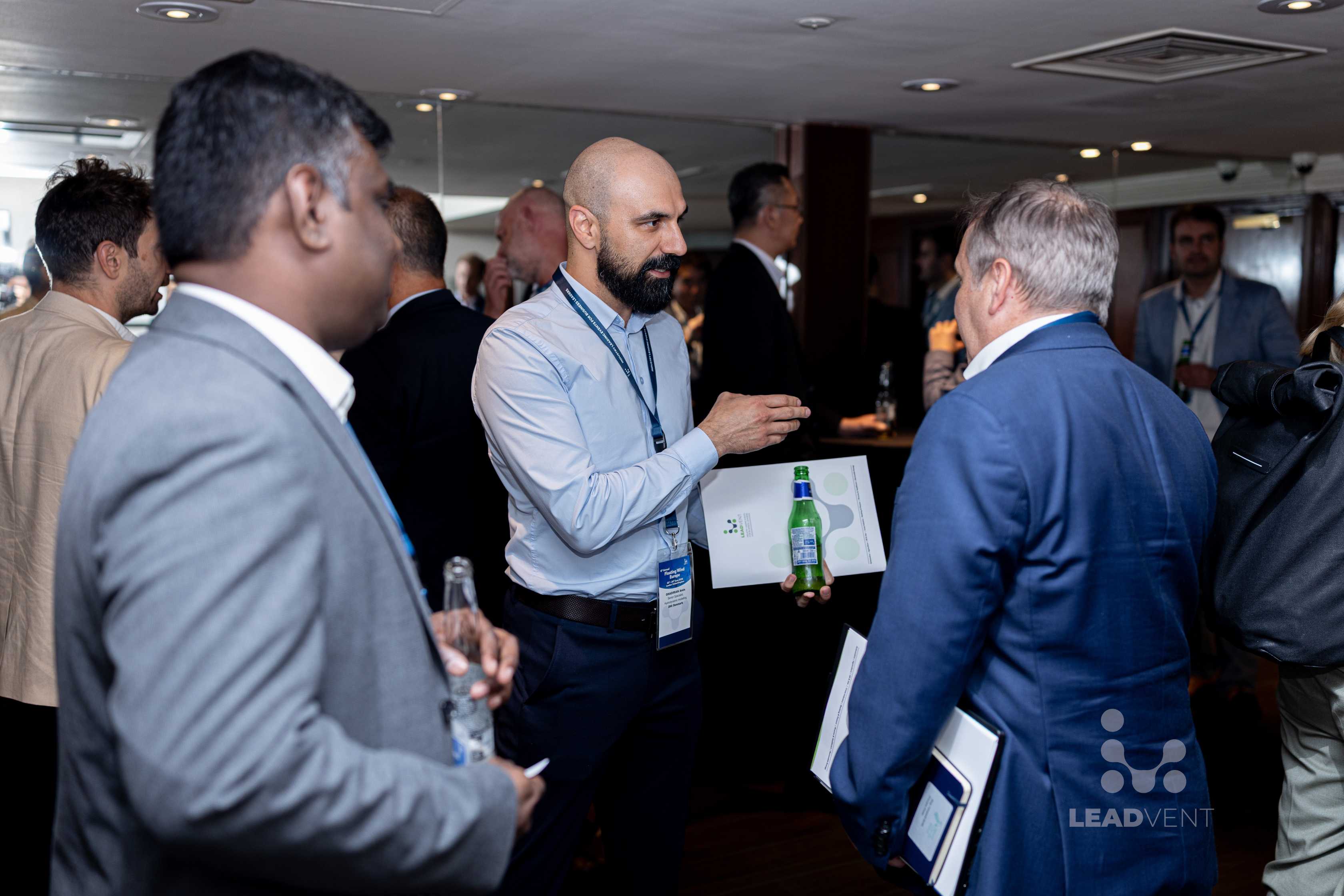
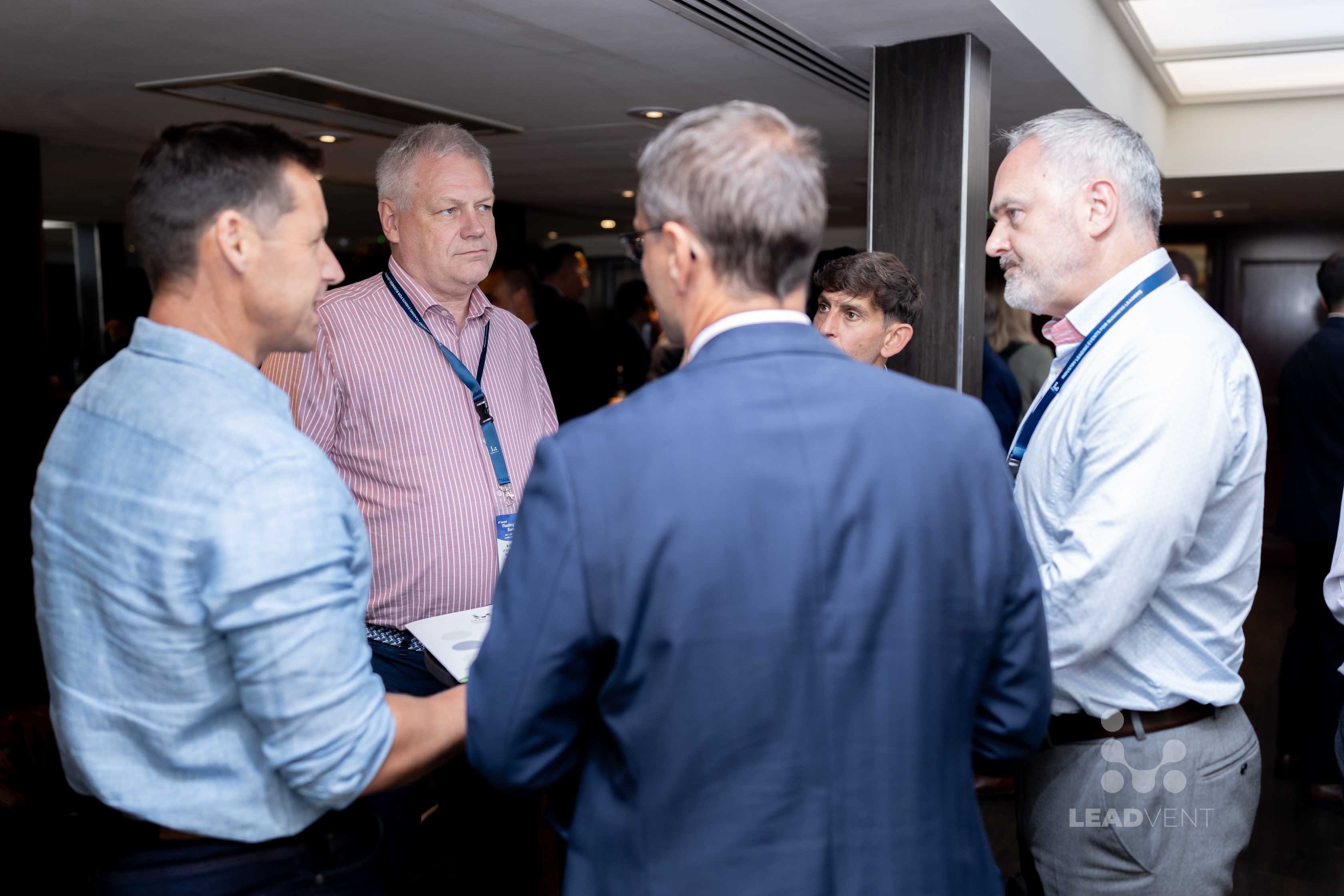
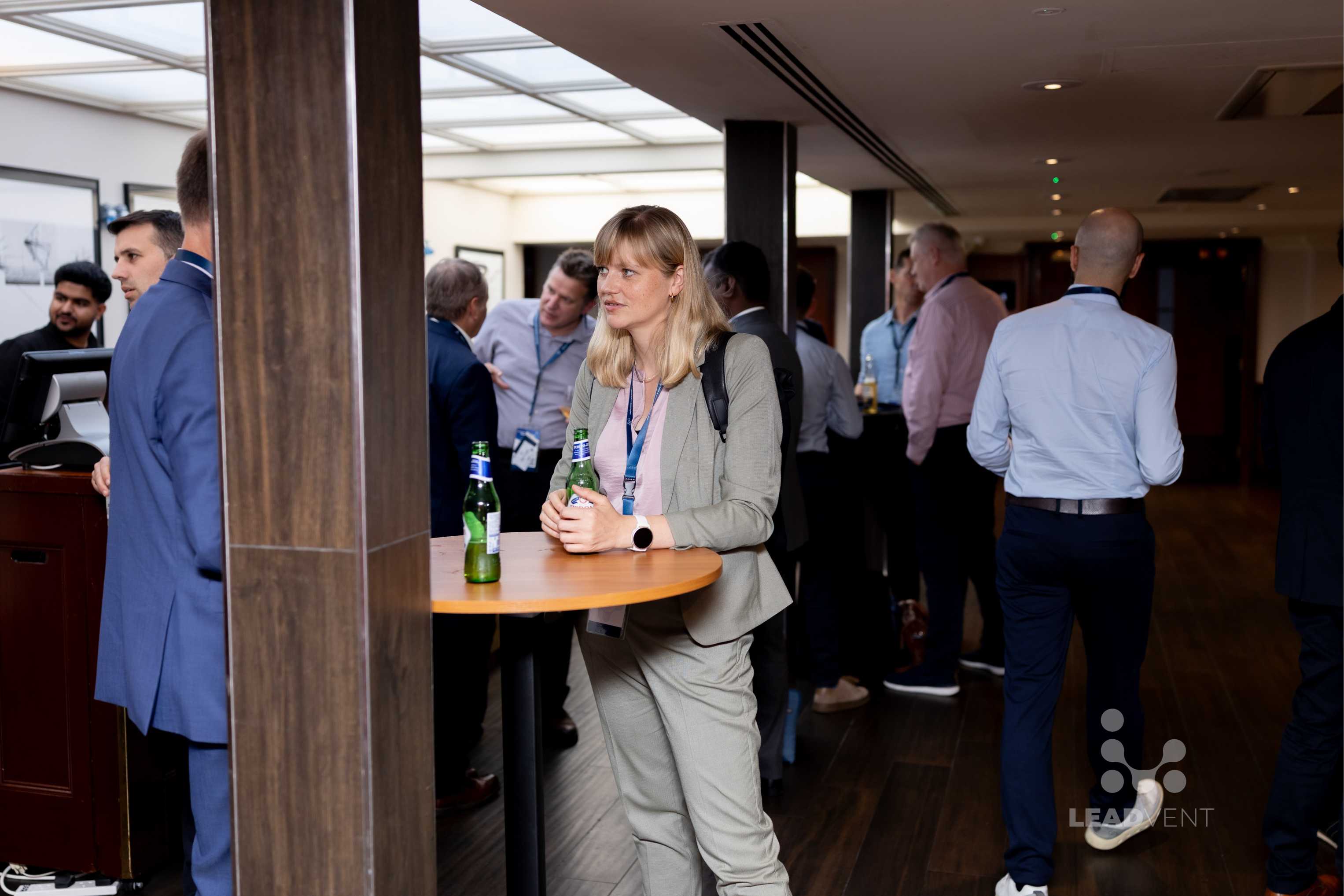
Networking Drinks Receptions
Network face to face with the world’s top executives and rapidly build a network of new business relationships

Content Focused Roundtables
That will provide you with an opportunity for you to not only further engage with key topics but also network with the...

Key Industry Insight
Attend cutting-edge conference sessions, obtain access to unique expertise and take away new solutions to your day-to-da...
Event Details
About the event
Accelerating Methane Reduction Across the Energy and Industrial Value Chain
Methane emissions have become one of the most critical priorities in the global transition towards a lower-carbon energy system. As a potent greenhouse gas with a significantly higher short-term warming impact than carbon dioxide, reducing methane emissions represents one of the fastest and most effective opportunities to slow the rate of climate change while improving operational efficiency, resource utilisation and environmental performance.
The Methane Emissions, Abatement & Mitigation Conference brings together senior leaders, technical experts, policymakers, regulators, operators, technology providers, investors and industry stakeholders to examine practical strategies for identifying, quantifying, reducing and ultimately eliminating avoidable methane emissions across the energy and industrial value chain.
The conference provides a strategic platform to address the rapidly evolving methane landscape, including regulatory developments, emissions measurement, monitoring and verification, leak detection and repair, methane capture, operational optimisation, flare reduction, venting reduction, technology deployment and the commercial implications of methane management. With increasing pressure from governments, investors, customers and society for transparent and measurable emissions reductions, methane management is moving from an environmental consideration to a core operational and business priority.
Why Methane Emissions Demand Immediate Action
Methane is increasingly recognised as a critical component of effective climate action because reductions can deliver meaningful climate benefits within a relatively short timeframe. Unlike many longer-term decarbonisation measures that require major infrastructure transformation, a substantial proportion of methane reductions can be achieved through improved operational practices, better monitoring, targeted maintenance, technology deployment and the elimination of unnecessary venting and fugitive emissions.
Across oil and gas production, transmission, processing, storage and distribution, methane can be released through equipment leaks, intentional venting, incomplete combustion, flaring, maintenance activities and abnormal operating conditions. Similar challenges exist across other industrial and agricultural systems where methane is generated or released as part of production processes.
The challenge for industry is no longer simply understanding that methane emissions exist. Organisations increasingly need to know where emissions are occurring, how large they are, how frequently they occur, what is causing them, how quickly they can be addressed and how reductions can be independently demonstrated. This requires a combination of accurate measurement, advanced monitoring technologies, robust data management, operational expertise and effective governance.
From Measurement to Meaningful Methane Reduction
Reliable measurement is fundamental to effective methane management. Traditional estimation methods and emissions inventories can provide an important foundation, but advances in satellite monitoring, aerial surveys, continuous monitoring systems, sensors, drones, optical gas imaging and other technologies are creating new opportunities to detect emissions with greater speed and accuracy.
The industry is now moving towards a more sophisticated measurement ecosystem in which multiple data sources can be combined to provide a clearer understanding of methane emissions across individual facilities, assets and entire value chains. However, improved measurement also creates new questions around data quality, reconciliation, uncertainty, verification, reporting methodologies and the integration of measurement data into operational decision-making.
The conference will examine how organisations can move beyond simply collecting emissions data and use that information to identify high-impact sources, prioritise interventions and establish measurable abatement programmes. Particular attention will be given to the relationship between measurement, monitoring, reporting and verification and how these capabilities can support credible methane reduction strategies.
Advancing Leak Detection and Repair
Fugitive methane emissions remain a major operational and environmental challenge across energy infrastructure. Valves, compressors, pumps, storage systems, pipelines, tanks, connectors and other equipment can become sources of methane leakage, while ageing infrastructure and inadequate maintenance practices can increase the risk of persistent emissions.
Leak Detection and Repair programmes are therefore becoming increasingly important within corporate methane strategies. Effective LDAR requires more than identifying leaks; organisations must establish appropriate detection methodologies, response thresholds, repair procedures, verification processes and ongoing monitoring programmes.
From leak detection and repair (LDAR) programmes to satellite monitoring, continuous emissions measurement, carbon reporting, and methane capture technologies, the industry is rapidly advancing new approaches to improve environmental performance while maintaining operational efficiency.
The conference will explore how companies are strengthening LDAR programmes through improved technologies, data analytics, automation and risk-based approaches. It will also consider how operators can prioritise the most significant emission sources while maintaining operational reliability and managing the cost and complexity associated with large and geographically dispersed assets.
Technology and Digitalisation in Methane Management
The rapid development of methane monitoring and detection technologies is transforming the way emissions are identified and managed. Satellite-based observation, airborne monitoring, fixed sensors, mobile systems, drones, advanced cameras, continuous monitoring platforms and artificial intelligence are providing operators with increasingly detailed information about methane emissions.
Digitalisation is also enabling organisations to connect methane data with asset management, maintenance systems, production data and environmental reporting platforms. This creates the possibility of moving from periodic inspection towards more continuous and predictive methane management.
Artificial intelligence and advanced analytics can potentially support the identification of emission patterns, prioritisation of interventions and prediction of equipment failures before significant emissions occur. However, technology deployment must be supported by appropriate data governance, validation, operational integration and clearly defined decision-making processes.
The conference will examine how organisations can evaluate and deploy emerging methane technologies while ensuring that technology investments translate into measurable operational and environmental outcomes.
Reducing Venting and Ending Routine Flaring
Venting and flaring represent important areas of focus for methane reduction strategies. While flaring converts methane into carbon dioxide and can reduce direct methane release under certain operating conditions, incomplete combustion can still result in methane emissions, while routine or poorly managed flaring can create wider environmental and operational concerns.
Reducing unnecessary venting and flaring requires a combination of infrastructure investment, operational optimisation, improved maintenance, gas capture solutions and effective process management. For some facilities, methane that would otherwise be released can potentially be recovered, processed, transported or utilised, creating both emissions-reduction and economic opportunities.
The conference will explore practical approaches to reducing routine flaring and venting while considering the technical, economic and operational realities faced by asset owners and operators.
Regulation, Policy and Compliance
The regulatory environment surrounding methane emissions is developing rapidly across major energy markets. Governments and regulators are introducing increasingly stringent expectations around methane measurement, reporting, monitoring, leak detection, repair, venting, flaring and transparency.
For companies operating across multiple jurisdictions, regulatory complexity can create significant challenges. Organisations must increasingly understand not only current requirements but also how future regulatory developments could affect investment decisions, asset operations, supply chains and market access.
The conference will provide an opportunity to examine the evolving regulatory landscape and its implications for operators, producers, infrastructure companies, technology providers and other stakeholders. Discussions will consider how businesses can prepare for increasing regulatory scrutiny while developing methane management systems capable of supporting both compliance and broader corporate sustainability objectives.
Methane Management Across the Oil and Gas Value Chain
Methane reduction requires a value-chain perspective. Emissions can occur throughout exploration and production, gathering and processing, transmission, storage, liquefaction, distribution and end-use infrastructure. Addressing isolated sources without considering the wider system can therefore limit the overall effectiveness of methane reduction programmes.
Companies are increasingly expected to understand emissions beyond their immediate operational boundaries and engage with suppliers, contractors, partners and customers to improve methane performance throughout the value chain. This creates new requirements for data sharing, contractual expectations, supplier engagement and common measurement methodologies.
The conference will examine how organisations can develop coordinated methane strategies that extend beyond individual facilities and address emissions across complex and interconnected energy systems.
Financing Methane Abatement
Although many methane reduction opportunities can provide economic benefits through the recovery of otherwise lost gas, not every project offers an immediate or straightforward financial return. Organisations may therefore need to develop new approaches to prioritising investments, assessing abatement economics and demonstrating the broader value of methane reduction.
Methane abatement can contribute to regulatory compliance, operational efficiency, product integrity, environmental performance, investor confidence and access to markets increasingly influenced by emissions intensity. Understanding these wider benefits is becoming important when building the business case for investment.
The conference will explore the financing challenges and opportunities associated with methane reduction and consider how companies, investors, financial institutions and technology providers can work together to accelerate the deployment of commercially viable abatement solutions.
Building Credible Methane Strategies
Effective methane management requires methane reduction to become embedded within corporate governance and operational decision-making rather than being treated as a standalone environmental initiative. This means establishing clear responsibilities, measurable targets, appropriate performance indicators and transparent reporting mechanisms.
Leadership teams must increasingly understand the relationship between methane performance, climate strategy, operational risk, regulatory exposure and long-term business value. At the same time, technical and operational teams require practical tools, technologies and resources to deliver measurable reductions on the ground.
The conference will explore how organisations can build credible methane strategies that connect board-level climate objectives with facility-level action and measurable emissions outcomes.
Collaboration Across Industry
Methane reduction cannot be achieved by individual organisations working in isolation. Operators, regulators, technology companies, researchers, investors, infrastructure providers and other stakeholders all have important roles to play in developing common methodologies, accelerating technology deployment and improving transparency.
The conference is designed to encourage meaningful dialogue between these stakeholder groups, creating opportunities to share operational experiences, examine emerging solutions and identify practical areas for collaboration. The emphasis will be on real-world implementation, commercially viable solutions and approaches that can deliver measurable reductions rather than simply establishing long-term ambitions.
The Future of Methane Management
The methane management landscape is entering a new phase in which greater transparency, improved measurement capabilities, stronger regulation and technological innovation are fundamentally changing industry expectations. Organisations will increasingly need to demonstrate not only that they understand their methane emissions, but that they are actively reducing them and can substantiate those reductions with credible data.
The Methane Emissions, Abatement & Mitigation Conference will examine this transition from measurement and disclosure towards accelerated action. It will bring together the expertise required to understand where the greatest opportunities exist, which technologies and strategies are delivering results, how regulation is changing the business environment and what organisations need to do to remain competitive and resilient.
For senior industry decision-makers, the conference offers an opportunity to gain a strategic understanding of the methane challenge while engaging directly with organisations developing and implementing practical solutions. The central focus is clear: turning methane measurement into meaningful, scalable and verifiable emissions reduction.
Who Should Attend
The conference is designed for senior decision-makers and technical specialists across the energy and industrial value chain, including oil and gas producers and operators, exploration and production companies, midstream and pipeline operators, gas processing and storage companies, LNG organisations, utilities, energy companies, industrial operators, engineering and EPC organisations, technology and solution providers, regulators, government authorities, research institutions, financial organisations, investors, environmental organisations and industry associations.
It is particularly relevant for professionals responsible for methane emissions, environmental performance, decarbonisation, sustainability, climate strategy, asset integrity, operations, engineering, process optimisation, emissions monitoring, environmental compliance, regulatory affairs, technology development, investment and corporate strategy.
Join the Methane Abatement Conversation
As the global energy industry moves towards increasingly ambitious emissions-reduction objectives, methane will remain a defining priority for near-term climate action. The organisations that develop robust measurement capabilities, identify their highest-impact emission sources and implement effective abatement programmes will be better positioned to respond to regulation, investor expectations, customer requirements and the broader transition towards a lower-emission energy system.
The Methane Emissions, Abatement & Mitigation Conference provides a focused environment for senior professionals to exchange knowledge, evaluate technologies, understand regulatory developments and develop practical strategies for accelerating methane reduction across the value chain.
The Methane Emissions, Abatement & Mitigation Summit 2027 brings together operators, regulators, technology providers, researchers, investors, and sustainability leaders to discuss the latest developments in methane measurement, emissions reduction technologies, policy frameworks, and best practices for achieving measurable emissions reductions.
Over two days, attendees will gain practical insights into building effective methane management strategies through expert presentations, case studies, panel discussions, and industry networking.
Explore
Explore our Event & Matchmaking App and Improve your Interaction at Leadvent Group Conference Schedule your meetings in advance!
At the Leadvent Group conference you can request and organize your appointments by using a matchmaking app. Through the networking tool, each participant can create an individual profile. Guided by categories and keywords, attendees can search, find and approach interesting contacts. There will also be a networking area provided at the event of the conference. Your profile data and the details you provide are visible exclusively for registered participants within the event. You will oversee the information you would like to present and to whom. Our matchmaking app will be activated approximately one month prior to the conference and you will be notified vie e-mail as soon as you can start using the matchmaking App and can then set up your personal profile.


Hotel & Venue
We will confirm the venue approximately 3-6 weeks prior to the event date and we will negotiate discounted room rate for conference attendees
Join us in Amsterdam on the 13th - 14th October, 2027
Venue:
(TBA)
Address:
TBA, Amsterdam
Get Location








Our Clients Opinion
What Our Customers Say

Projects Developer / Asset Manager, aventron
Head Data Analytics & Business Excellence, Suzlon Global Services Limited
CISO Group Network Manager, Madison Insurance Kenya Limited

Partner, Everoze
Senior Electrical Engineer, Seaway Offshore Cables

EVP, Xfloat


Senior Associate, The Carbon Trust
Renewables MWS Director, Europe and London, ABL Group

Manager, Biomethane Development Office, Biomethane Development Office
CEO, Bore and Biogaz Vallée
Senior Advisor, Apricum Group

Senior Project Manager, Fichtner GmbH & Co. KG
CABLE DESIGN ENGINEER, DEME OFFSHORE NLBV
Senior Projects Engineer, JERSEY ELECTRICITY PLC
Renewable Energy Engineer, EDF Renewables
Sales Manager, Mondragon Assembly
AgriPv Engineer, RP Global
President, Sapiens Energia
, ENI SPA
Head of Agricultural structures, RP Global

Senior Engineer/ Manager, NEXANS
Functional Safety Specialist, Brace Automotive
Principal Functional Safety Manager, Veoneer
System Safety Engineer, Veoneer
Principal Consultant, OMNEX

Functional Safety Expert, Brightskies

Director, Renesas Electronics Europe GmbH
FUSA MANAGER, Robert Bosch GmbH
Senior fusa Manager, AVL power train Uk Ltd

Head, Fusa & Cybersecurity, Ebusco
Fusa Manager, SENSATA TECHNOLOGIES
Principal Automation Engineer, The Lee Company
Fusa Manager, Robert Bosch Gmbh
E-mobility Analyst, Green Rising



Business Unit Head, Industrial Development Corporation of SA Ltd. (IDC)
Associate Prof., De Montfort University

Risk Analyst, CIC Insurance Group
Carbon Removal Kenya Cordinator,

Asistant Branch Manager, I&M Bank Limited

ESG Reporting Analyst, NAIVAS Limited
QHSE Officer, Pavicon Group
Risk & Compliance Manager, C-Care Health Uganda

Head SHEQ/ Susutainability, International Hospital Kampala
EHS Officer, Pavican Group Kenya
Cordinator, Carbon Removal Kenya

HSE Officer, Lake Turkawa wind power
Large Scale Lead, Colorifix
Analytical Expert, Boehringer Ingelheim

Technical Director, Systeme
Head of Unit, Regulatory Authority for Energy, Waste and Water

Project Engineer, Ramboll
Eng. Director, seaway7
Associate, Arup

Professor, Ruhs University Bochum
Founding Partner, Managing Director, and COO, Green Giraffe

Professor, University of Bologna
Director, Green Mobility Practice Lead, Apricum Group
IT operation Specialist, Better Energy A/S


Up Business Excellence,
principle Cyber Sec, INTEX IT

Cybersecurity Lead, Wood Plc
Continuity manager, ReboBank
Supply Chain Information, Pinsents masons