
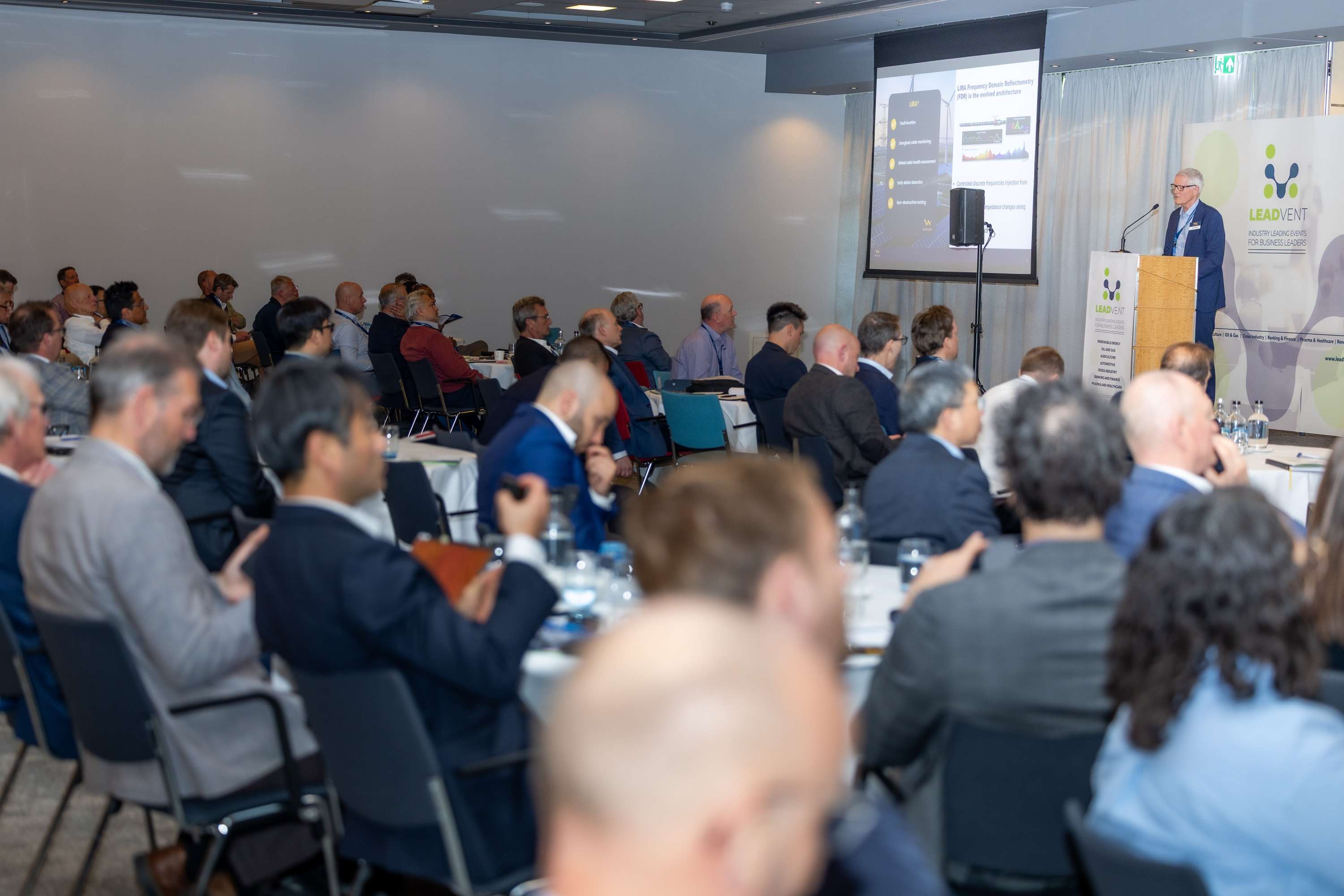
About The Event ()
Offshore power transmission is becoming a critical part of North America's energy transition. As offshore wind projects expand, coastal grid upgrades accelerate, and cross-border interconnection projects grow, investment in submarine power cable infrastructure is reaching record levels across the United States and Canada.
Read more
35+
Speakers

150+
Attendees

5+
Sponsors
Event Inclusions

Case Study Presentations
Giving practical and actionable insights.

Stratigic panel discussions
That will give you lessons

Strategic Panel Discussions
Discuss and debate strategies with your peers and most knowledgeable experts

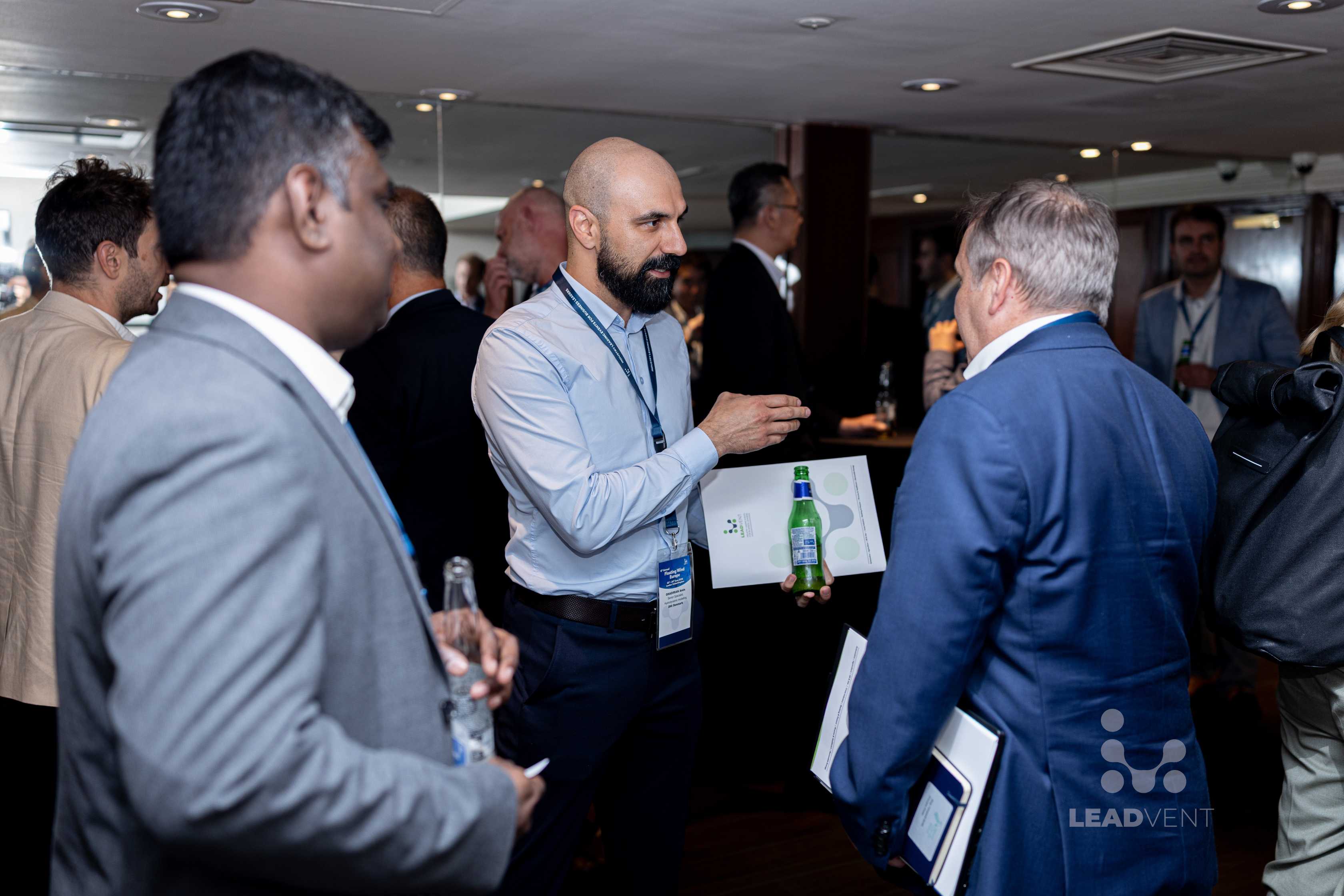
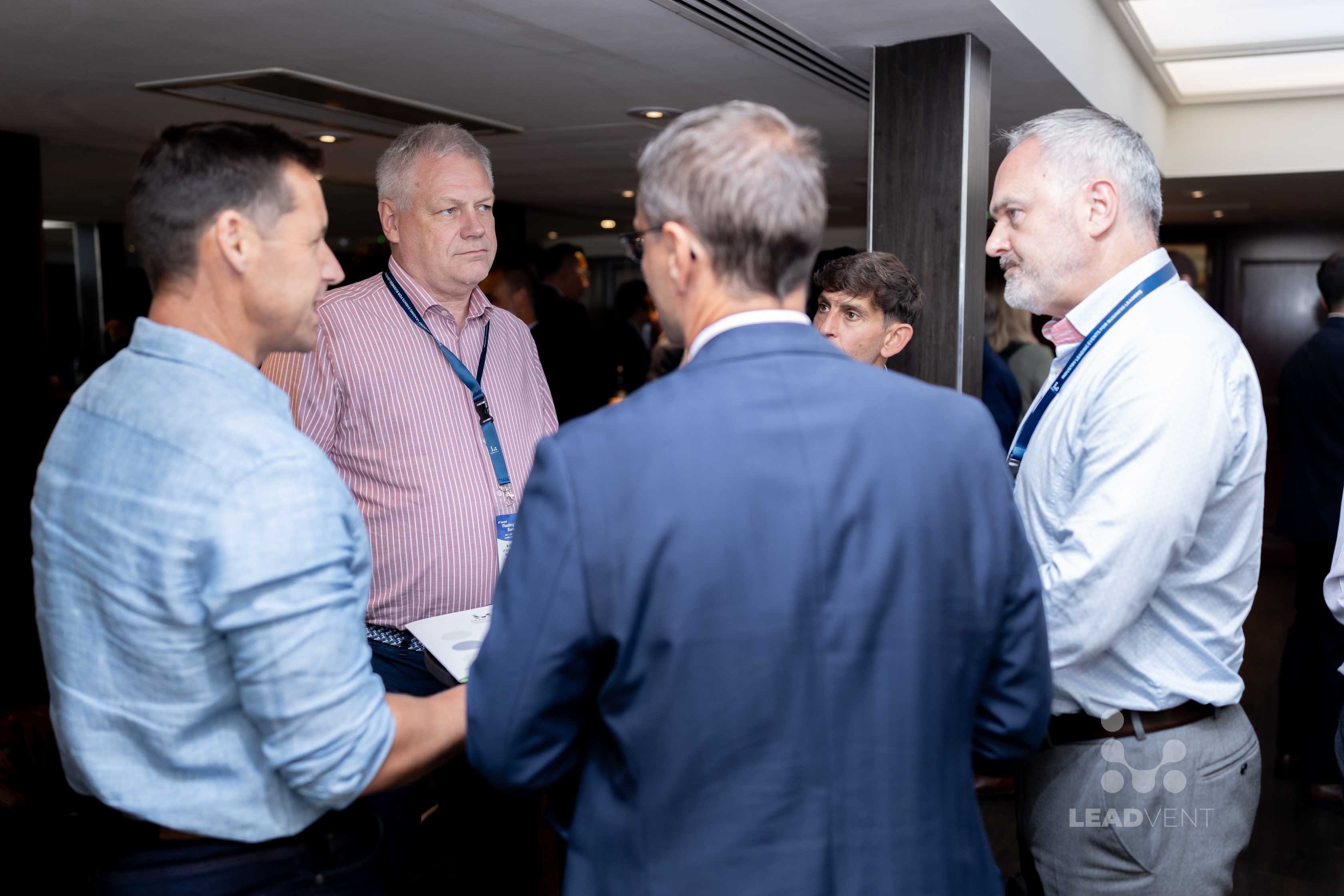
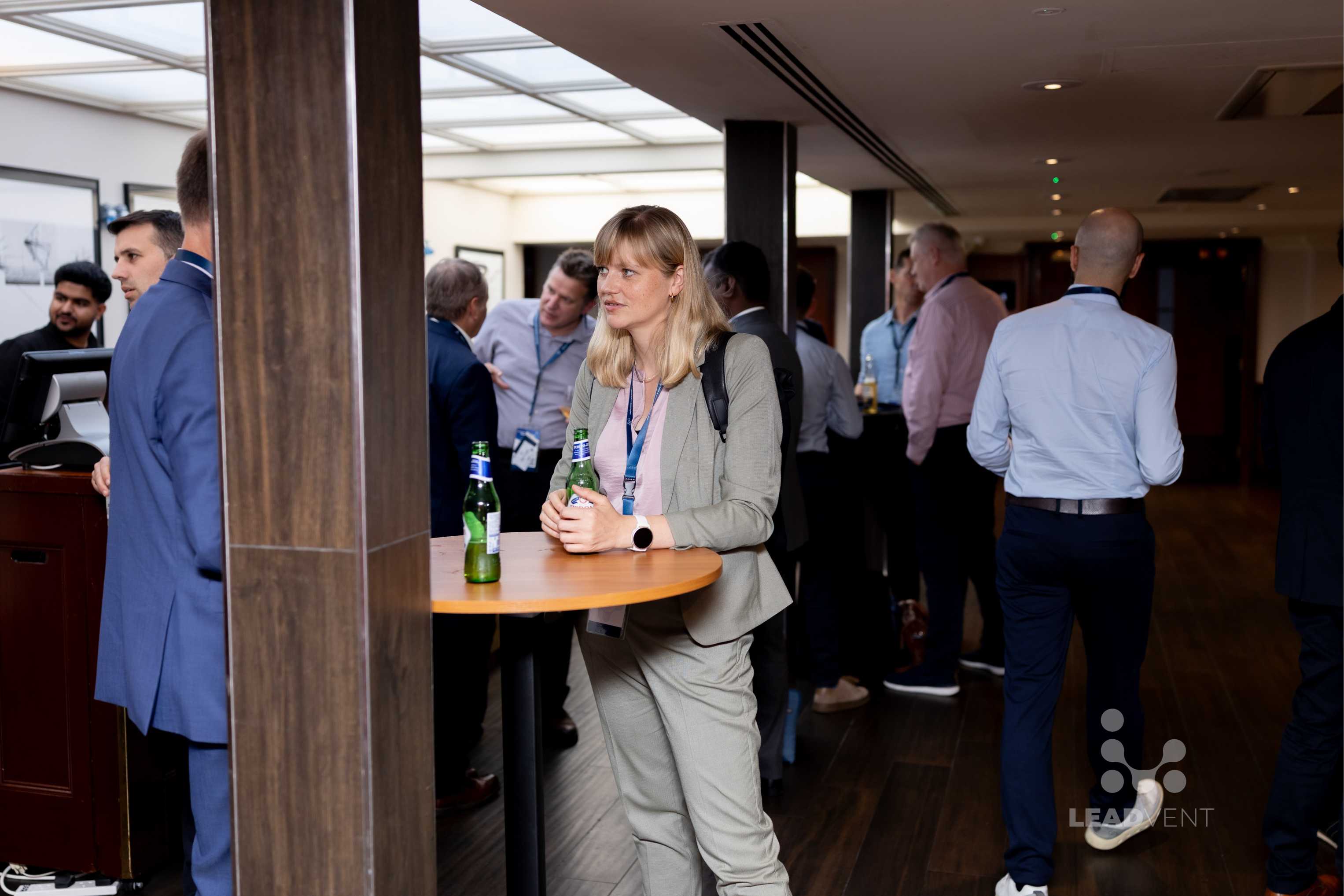
Networking Drinks Receptions
Network face to face with the world’s top executives and rapidly build a network of new business relationships

Content Focused Roundtables
That will provide you with an opportunity for you to not only further engage with key topics but also network with the...

Key Industry Insight
Attend cutting-edge conference sessions, obtain access to unique expertise and take away new solutions to your day-to-da...
Event Details
About the event
Connecting America’s Offshore Energy Future
The USA Submarine Power Cable & Interconnection Conference brings together the leading stakeholders shaping the future of submarine power transmission, offshore energy infrastructure and electrical interconnection across the United States. As offshore wind, inter-regional power transmission, grid modernisation and renewable energy deployment continue to expand, submarine cable systems are becoming increasingly critical to the reliability, flexibility and resilience of the American electricity network.
The conference provides a dedicated platform for senior decision-makers, technical experts, project developers, transmission operators, utilities, cable manufacturers, engineering companies, installation contractors, technology providers, regulators, investors and other key stakeholders to examine the opportunities and challenges surrounding the development of next-generation submarine power cable infrastructure in the USA.
The Growing Importance of Submarine Power Infrastructure
The transformation of the US energy system is creating an unprecedented need for robust and reliable transmission infrastructure. Offshore renewable generation is developing further from shore, while growing electricity demand, regional transmission constraints and the increasing integration of variable renewable generation are placing additional pressure on existing networks. Submarine power cables have a strategically important role in connecting offshore generation to onshore grids, enabling electricity transfer between regions and supporting the development of interconnected energy systems.
The scale and complexity of these projects are also increasing. Longer transmission distances, higher power ratings, deeper waters, challenging seabed conditions and demanding installation environments require new approaches to cable design, manufacturing, protection, transportation, installation, testing and long-term asset management. At the same time, projects must navigate complex permitting processes, environmental considerations, supply-chain constraints and the availability of specialised installation vessels and equipment.
Building the Next Generation of US Interconnection Infrastructure
The conference will examine how the United States can develop a stronger, more resilient and interconnected power system capable of supporting the country's long-term energy transition. Particular attention will be given to the strategic role of submarine transmission in connecting offshore renewable generation, strengthening coastal grids and facilitating the movement of electricity between markets.
Discussions will explore the complete lifecycle of submarine cable projects, from early-stage feasibility assessment and route development through engineering, cable manufacturing, logistics, installation, commissioning and operational management. The objective is to bring together the different parts of the value chain and encourage greater collaboration between developers, utilities, transmission owners, suppliers, contractors and policymakers.
Cable System Design and Engineering
As submarine cable projects become larger and technically more demanding, cable system design is becoming a critical factor in project performance and lifetime reliability. The conference will explore developments in high-voltage submarine cable technology, including improvements in cable construction, insulation systems, conductor technology, accessories, joints, terminations and monitoring systems.
Engineering strategies will also be considered in relation to water depth, seabed characteristics, thermal conditions, installation requirements, dynamic loading and environmental exposure. Participants will examine how advanced engineering methodologies and digital modelling can be used to improve cable design, reduce technical risk and increase confidence throughout the project development process.
Materials, Manufacturing and Quality Assurance
The availability of high-quality cable materials and manufacturing capacity is fundamental to the successful expansion of the US submarine cable market. The conference will consider developments in conductor materials, insulation technologies, protective systems, sheathing and other components required for high-performance submarine transmission systems.
Quality assurance will remain a central theme, particularly as cable lengths increase and projects become more expensive and difficult to repair. The industry must ensure that cables and accessories meet stringent technical requirements while maintaining consistency throughout manufacturing, transportation and installation. The conference will examine testing methodologies, factory acceptance procedures, quality control, certification and approaches to reducing manufacturing and supply-chain risks.
Installation, Seabed Engineering and Cable Protection
Submarine cable installation presents some of the most complex challenges within the development of offshore transmission infrastructure. Route conditions, seabed geology, water depth, currents, weather conditions, fishing activity, shipping and other marine uses can all influence installation methodology and project risk.
The conference will examine the latest approaches to cable installation, burial, trenching, protection and seabed engineering. It will consider how developers and contractors can improve installation efficiency while protecting cable assets against external threats and environmental conditions. Particular emphasis will be placed on the relationship between route engineering, installation methodology and long-term cable reliability.
Reliability, Monitoring and Asset Management
Once installed, submarine power cables represent long-term strategic infrastructure that must operate reliably for decades. Failure can result in significant financial losses, extended outages and complex repair operations. Consequently, asset integrity, condition monitoring and predictive maintenance are becoming increasingly important.
The conference will explore technologies and strategies for monitoring cable condition, identifying potential faults and improving maintenance planning. Digital monitoring, advanced sensing, data analytics and predictive approaches are creating new opportunities to move from reactive cable maintenance towards more proactive asset management.
Submarine Cable Supply Chain and Manufacturing Capacity
The rapid expansion of offshore energy and transmission infrastructure is placing significant pressure on the global submarine cable supply chain. Limited manufacturing capacity, long lead times, specialised equipment requirements, vessel availability and increasing project demand can create substantial challenges for developers.
For the US market, establishing a reliable and resilient supply chain will be particularly important as domestic energy infrastructure investment accelerates. The conference will examine strategies for strengthening manufacturing capability, developing supplier partnerships, improving procurement approaches and managing long-term project schedules.
Permitting, Regulation and Environmental Considerations
Submarine transmission projects operate within a complex regulatory and environmental framework. Developers must consider federal, state and local requirements while addressing marine ecosystems, fisheries, shipping routes, coastal communities and other stakeholders.
The conference will provide an opportunity to examine the evolving regulatory environment affecting submarine cable and interconnection projects in the United States. Discussions will consider how earlier stakeholder engagement, improved environmental assessment and better coordination between project developers and authorities can support more efficient project delivery while maintaining high environmental standards.
Project Development, Investment and Financing
Large-scale submarine cable and interconnection projects require significant capital investment and long development timelines. Financial institutions, infrastructure investors, utilities and project developers therefore need greater clarity around technical risk, regulatory certainty, revenue models and long-term asset performance.
The conference will bring together project developers and financial stakeholders to examine the investment environment for US submarine transmission infrastructure. The discussions will consider how projects can become more attractive to investors, how risks can be allocated effectively across the project value chain and how innovative financing structures can support the development of major transmission assets.
Strengthening Grid Resilience and Energy Security
The future US electricity system will require greater resilience as electricity demand grows and generation becomes increasingly decentralised and renewable. Submarine interconnections can contribute to a more flexible and interconnected network by enabling power to move between generation centres, coastal regions and major electricity markets.
The conference will examine how submarine transmission can contribute to grid resilience, energy security and system flexibility. It will also consider the importance of redundancy, contingency planning, emergency response and cable repair capability in protecting critical national infrastructure.
Creating a Collaborative Industry Platform
The USA Submarine Power Cable & Interconnection Conference is designed to facilitate meaningful interaction between the organisations responsible for planning, developing, financing, designing, manufacturing, installing and operating submarine power infrastructure.
Rather than focusing solely on individual technologies, the conference will address the complete ecosystem required to deliver successful submarine cable projects. It will provide an environment for strategic discussions, technical knowledge exchange, commercial engagement and relationship building across the industry.
Who Should Attend
The conference is designed for senior representatives and technical specialists from utilities, transmission system operators, offshore wind developers, renewable energy companies, power generators, cable manufacturers, engineering and design consultancies, EPC contractors, marine construction companies, cable installation specialists, vessel operators, technology providers, testing and certification organisations, regulators, government authorities, investors, financial institutions, research organisations and industry associations.
The event will be particularly relevant to professionals responsible for transmission planning, offshore energy development, submarine cable engineering, electrical systems, project development, procurement, construction, installation, asset management, operations, maintenance, regulation, investment and infrastructure strategy.
A Strategic Meeting Point for the US Submarine Cable Industry
As the United States enters a new phase of energy infrastructure development, the ability to deliver reliable and scalable submarine transmission will become increasingly important. The industry must address technical complexity, manufacturing capacity, project costs, marine installation challenges, environmental requirements, regulatory uncertainty and long-term asset reliability while responding to growing demand for clean and dependable electricity.
The USA Submarine Power Cable & Interconnection Conference will provide a focused platform to address these challenges and explore the opportunities emerging across the sector. By bringing together the complete project ecosystem, the conference aims to support collaboration, accelerate knowledge exchange and contribute to the development of a stronger, more resilient and future-ready US electricity infrastructure.
Why This Conference Matters Now
The convergence of offshore renewable energy development, increasing electricity demand, grid congestion, transmission expansion and the transition towards a lower-carbon electricity system is creating a powerful new market for submarine power infrastructure in the United States.
The decisions being made today will influence the reliability and capacity of the US energy system for decades to come. The industry therefore needs to bring together technical expertise, investment, regulatory knowledge and practical project experience to develop infrastructure that is safe, reliable, commercially viable and capable of meeting future energy requirements.
This conference provides that platform, connecting the people, technologies and organisations responsible for building the next generation of submarine power cables and interconnections across the United States.
Submarine Power Cable & Interconnection USA 2027 brings together senior leaders across the offshore transmission and power infrastructure value chain to discuss the latest technologies, project delivery strategies, regulatory developments, and operational best practices shaping submarine cable projects across North America.
Through expert presentations, technical case studies, panel discussions, and networking opportunities, attendees will gain practical insights into building resilient, efficient, and future-ready offshore transmission infrastructure.
Explore
Explore our Event & Matchmaking App and Improve your Interaction at Leadvent Group Conference Schedule your meetings in advance!
At the Leadvent Group conference you can request and organize your appointments by using a matchmaking app. Through the networking tool, each participant can create an individual profile. Guided by categories and keywords, attendees can search, find and approach interesting contacts. There will also be a networking area provided at the event of the conference. Your profile data and the details you provide are visible exclusively for registered participants within the event. You will oversee the information you would like to present and to whom. Our matchmaking app will be activated approximately one month prior to the conference and you will be notified vie e-mail as soon as you can start using the matchmaking App and can then set up your personal profile.


Past Speakers
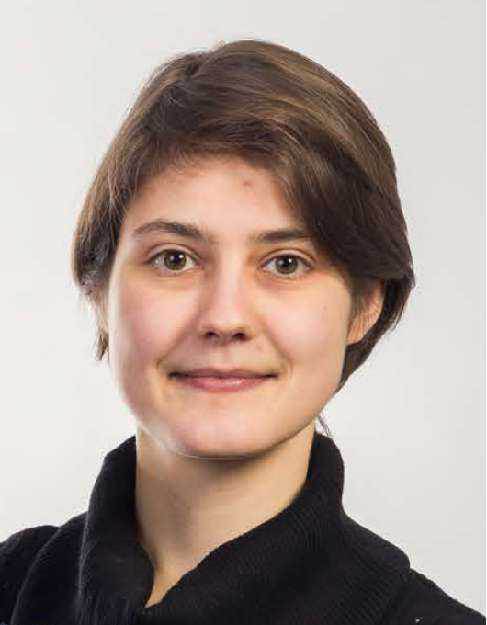
Mareike Leimeister
Fraunhofer Institute for Wind Energy Systems IWES
Research Associate
 Show Bio
Mareike Leimeister
Fraunhofer Institute for Wind Energy Systems IWES
Research Associate
Mareike Leimeister is an Offshore Wind and Renewable Energies Marine Structures Engineer with special interest in floating offshore renewable energy systems. She studied Renewable Energies (B.Sc.) at Stuttgart University, holds M.Sc. (Hons) in both Offshore Engineering (from TU Delft) and Technology – Wind Energy (from NTNU), and graduated in 2020 from the Engineering Doctorate Program at the Renewable Energy Marine Structures (REMS) Centre for Doctoral Training (CDT) at University of Strathclyde in UK. She wrote her EngD thesis about reliability-based optimization of floating wind turbine support structures. Since 2017, she is a research associate at Fraunhofer Institute for Wind Energy Systems IWES in the group global turbine dynamics and both coordinates and works on joint research projects, such as AFLOWT on a floating demonstrator.
Vasilis Marketselis

The Renewables Consulting Group
Associate
Show Bio
Vasilis Marketselis
The Renewables Consulting Group
Associate
Vasilis Marketselis
Associate
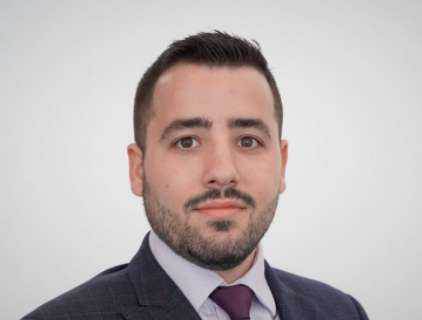
Vasilis Marketselis is an Associate in RCG’s London office. His experience covers market intelligence and technology analysis. He is experienced in providing clients with expert analysis, research, and forecasting to assist in their strategic decision making. Markatselis has a track record delivering independent, concise and robust insights to decision makers active in the offshore wind sector and especially analysis in the floating offshore wind market. He is experienced in delivering market intelligence reports covering various industrial sectors, supply chains, offshore O&M support vessels and forecasts.
Website Bio: https://thinkrcg.com/expert/vasilis-markatselis/
Email: [email protected]
Company Website: thinkrcg.com
Clément Weber

Green Giraffe
Managing Director
Show Bio
Clément Weber
Green Giraffe
Managing Director
Clément is a founder of Green Giraffe and heads the London office, which he created in 2011 and returned to after heading the Paris office in 2017-2019 He coordinates Green Giraffe’s efforts in floating offshore wind and has led multiple transactions in offshore and onshore wind, both on the equity and debt side. He led the Walney offshore wind debt financing (367 MW, UK, 2012) and managed the Walkyrie onshore wind portfolio sale (50 MW, France, 2015), the Rentel offshore wind senior and mezzanine debt raising (309 MW, Belgium, 2016), and the Alizé onshore wind portfolio sale (71 MW, France, 2017). Most recently, Clément closed four development funding transactions in floating offshore wind in California (700 MW, 2018), Hawaii (500 MW, 2018), South Korea (>500 MW, 2019) and Blue Gem (380 MW, UK, 2020) He developed Green Giraffe’s offtake advisory expertise and supervised the sourcing of all its European RE electricity for a large international corporation Before founding Green Giraffe, Clément worked at Dexia in Paris in 2008-10 within the project finance team. He also spent a year in Beijing at AFD in 2006-07 He graduated from Ecole des Ponts ParisTech and holds an MSc in project finance from Université Paris X
Øyvind Iversen

Nexans
Principal Engineer
Show Bio
Øyvind Iversen
Nexans
Principal Engineer
Øyvind Iversen is graduated from University of Newcastle Upon Tyne in 1996 and since 97 worked at Nexans and participated in qualification of dynamic cable as well as qualification of insulation systems and its materials for specific applications as for dynamic cables. The experience from field service of such cables are fundamental for the designs of cables now being considered for the offshore wind industry.
Aldert Otter
ESB
Senior Consultant – Floating Offshore Wind Technology | Engineering and Major Projects
Show Bio
Aldert Otter
ESB
Senior Consultant – Floating Offshore Wind Technology | Engineering and Major Projects
A native of the Netherlands, Aldert is currently the senior specialist for floating offshore wind technology with ESB and has been with the company for 2 years now, working on the engineering of FOW projects in ESB’s development portfolio. He started his career offshore and worked on the construction of a number of fixed offshore wind projects, and was captain for several years on anchor handling vessels. After 15 years at sea he switched to science, graduating with a Masters in Offshore Renewables and a PhD in Floating Offshore Wind at University College Cork. He worked at Ireland’s National Ocean Test Facility for 6 years, after which he joined ESB.
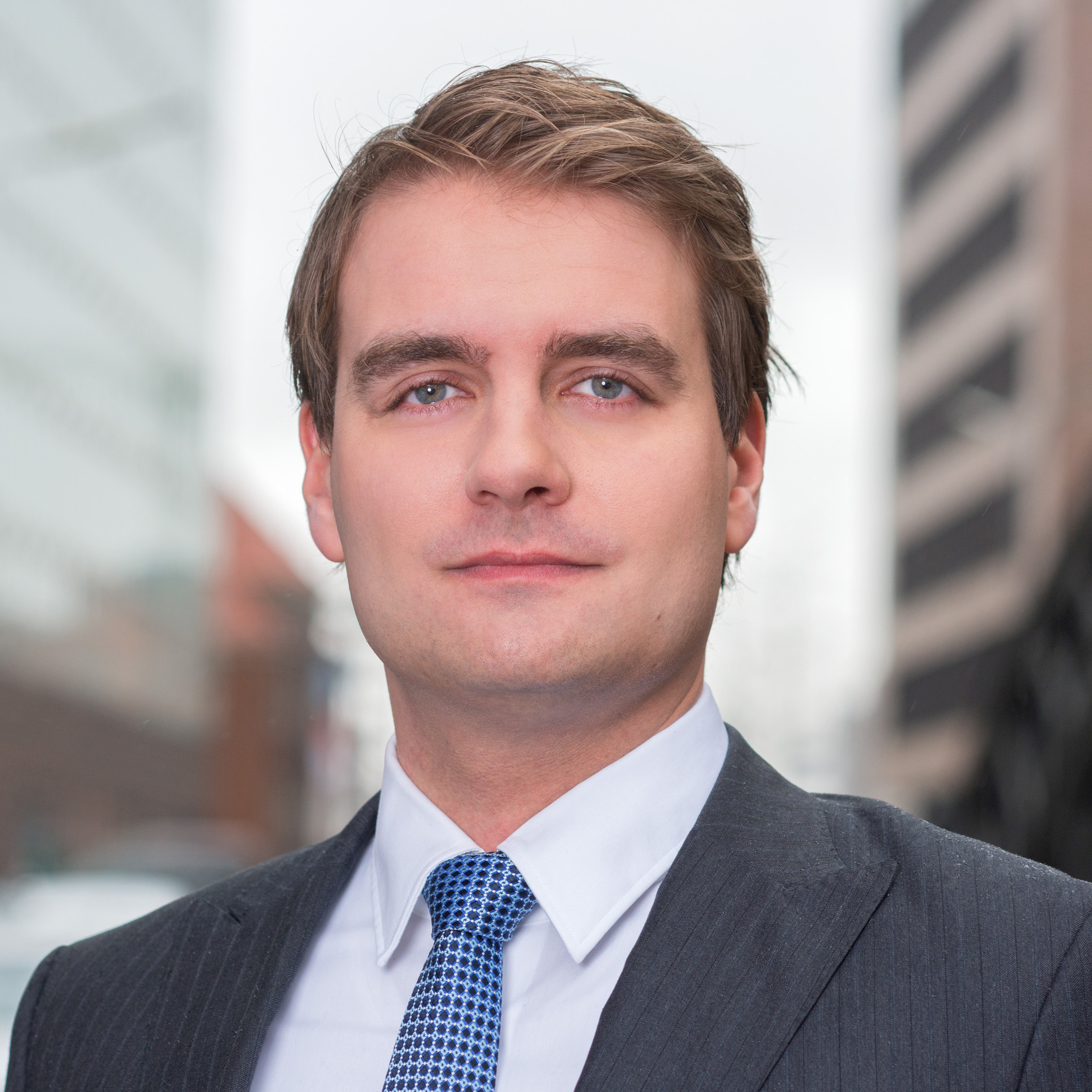
Denis Matha

Ramboll Deutschland GmbH
Head of Floating Wind
Show Bio
Denis Matha
Ramboll Deutschland GmbH
Head of Floating Wind
Dr.-Ing. Denis Matha has 13 years extensive experience in the field of Floating Offshore Wind Turbines in both technical and commercial aspects. Denis is Ramboll's Global Head of Floating Wind and leading Ramboll's engineering teams for floating wind. As an internationally renowned pioneer and expert in floating wind technology he has comprehensive holistic technical expertise of the floating wind system. He is involved in various floating wind consultancy projects as Proposal and Project Manager and/or Technical Expert. Denis Matha is the Secretary of the IEC project team PT61400-3-2 which is developing a technical specification for floating wind turbines. He holds a Ph.D. on the topic “Impact of Aerodynamics and Mooring System on Dynamic Response of Floating Wind Turbines”. He is author and co-author of over 35 scientific publications in the field of offshore floating wind. Field of expertise include holistic floating wind system knowledge, managing of teams, leadership, and coordinating and managing proposals, complimented by an extensive professional network in the floating wind market.
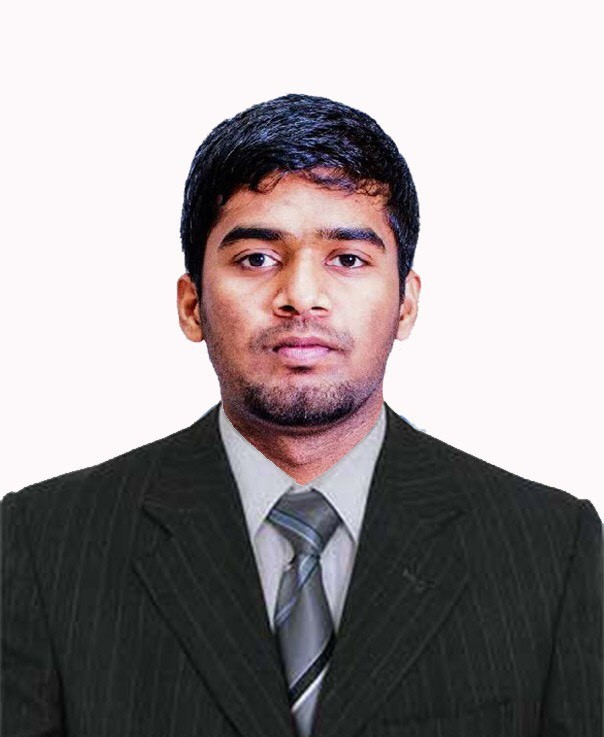
Srinivasan Santhakumar

Wood Mackenzie
Principal Analyst, Global Offshore Wind
Show Bio
Srinivasan Santhakumar
Wood Mackenzie
Principal Analyst, Global Offshore Wind
Srinivasan is a principal analyst in Wood Mackenzie's offshore wind team.
He leads the economic analysis focusing on asset valuation, LCOE forecasts and market research.
He also works on the cost modeling of offshore wind energy, analyzing how technological advancements, performance and macroeconomic factors translate into cost impacts
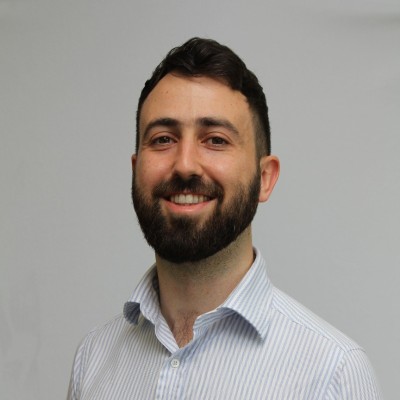
Luke Eatough
Offshore Renewable Energy Catapult
Project Engineer
Show Bio
Luke Eatough
Offshore Renewable Energy Catapult
Project Engineer
Luke Eatough is a Senior Development and Consent Engineer at the Offshore Renewable Energy Catapult and leads the Floating Offshore Wind (FOW) Centre of Excellence’s Environmental Interactions Strategic Programme.
Luke is responsible for coordinating a range of research projects and activities addressing development and consenting risks and opportunities for FOW farms.
Current project topics include FOW operational underwater noise, dynamic cable electromagnetic field emissions, fisheries access, and coexistence with other sea users.

Louise Efthimiou
World Forum Offshore Wind (WFO)
Floating Offshore Wind Manager
Show Bio
Louise Efthimiou
World Forum Offshore Wind (WFO)
Floating Offshore Wind Manager
Louise Efthimiou is WFO’s Floating Offshore Wind Manager where she coordinates and supports the fruitful knowledge exchanges of WFO’s Floating Offshore Wind Committee.
Over the last four years, the Floating Wind Offshore Committee has grown into a genuinely collaborative forum where participants share on the key technology challenges and solutions for commercializing floating offshore wind, lending from various industry experiences mainly in the bottom-fixed wind and oil & gas sectors.
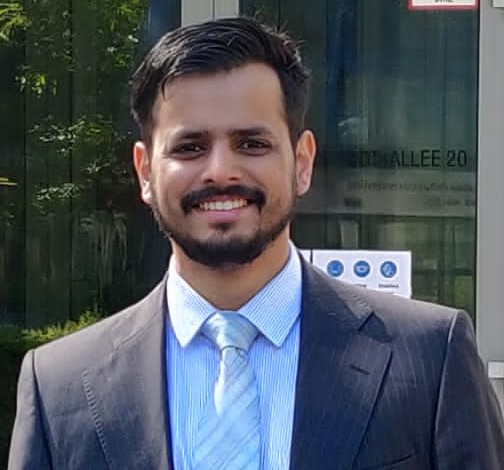
Jaidev Dhavle

IRENA
Associate Programme Officer – Innovation for the Energy Transition
Show Bio
Jaidev Dhavle
IRENA
Associate Programme Officer – Innovation for the Energy Transition
Mr. Jaidev Dhavle is currently an Associate Programme Officer with the International Renewable Energy Agency (IRENA). He is a member of the Innovation and End Use Sector team that is responsible for conducting analysis on the innovation trends on the potential and application of renewable energy (RE) solutions within key economic sectors. At IRENA his thematic areas of focus include RE Quality & Standards; Offshore Wind; and exploring the nexus between digital technologies and RE.
Before joining IRENA, he was a Project Associate with the Innovation and Digitalization Division at the United Nations Industrial Development Organization (UNIDO). He has also worked with the International Atomic Energy Agency (Vienna); Sustainable Energy for All (Vienna); and the Organization for the Prohibition of Chemical Weapons (The Hague).
He has a Bachelor of Science in Liberal Arts and Sciences from Maastricht University. He holds 2 Master degrees from University College London and TU Wien in Chemical Research and Renewable Energy Systems respectively
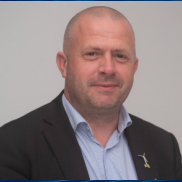
Kenneth Fossøy

Odfjell Oceanwind
EVP Business and Project Development
Show Bio
Kenneth Fossøy
Odfjell Oceanwind
EVP Business and Project Development
- 20 years of commercial and business development experience from the energy industry
- Previous employments include Maersk Drilling, PGS and Deloitte
- Partner and co-founder of E&P consultancy focusing on strategy, commercial and business development
- MSc / cand.merc: Strategy, Organisation and Management from Copenhagen Business School (CBS)
Roberto Mezzalama

WSP
Senior Project Director
Show Bio
Roberto Mezzalama
WSP
Senior Project Director
Roberto Mezzalama is Senior Project Director of WSP Italia S.r.l., Roberto carries out his professional activities with Golder and then WSP from 1999. In 2014 and 2015 he has been the Manager of the Environmental Assessment Division of the Calgary office, and from 2007 to 2011 he has been the Managing Director of Golder Associates Europe. From May 2014 to March 2019, he was Leader of the Global ESIA community for Golder Associates Corporation. He holds a B.Sc in ecology and an M.Sc in environmental engineering; his technical experience includes leading Environmental and Social Impact Assessment, Biodiversity and Climate change studies for developments in the power, mining, oil and gas, transportation, manufacturing and waste sectors. His geographical experience includes projects in over 20 countries in Europe, Central Asia, Africa and North America. He is currently directing several ESIA studies for Offshore Wind Farms in the Mediterranean area.
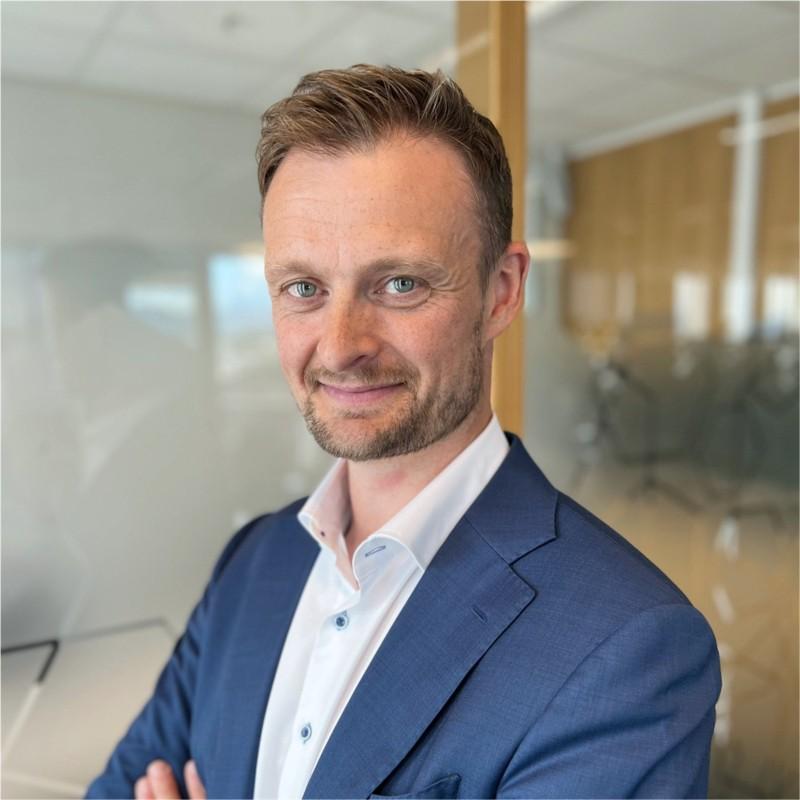
Magnus Ebbesen

Entr
Director Advisory Services
Show Bio
Magnus Ebbesen
Entr
Director Advisory Services
Magnus Ebbesen, Director at Entr in Aker Solutions, is a highly motivated professional with 13 years of experience in the offshore wind industry. His primary role involves supporting clients’ ambitions in offshore wind by merging technical and commercial insights. He has a deep passion for advancing floating offshore wind and possesses expertise in strategy, market assessment, investment analysis, technical due diligence, project management, and business development. Aker Solutions is a leader in floating wind, leveraging its extensive experience in offshore oil & gas structures and significant involvement in more than 50% of global floating wind farm capacity. The company has participated in the world’s largest floating wind farm, Hywind Tampen, and been involved in the design of the most mature floating wind concepts, Hywind and WindFloat. They are developing new technologies for floating wind, including mooring systems, subsea substations, and floating foundations. Aker Solutions is part of the Windstaller Alliance, with experience from installing the Saitech Demo, and owns the Verdal and Stord yard for offshore wind fabrication. They are also engaged in consultancy and pre-FEED/FEED work, notably for the Haewoori project in South Korea. Before joining Aker Solutions, he spent 14 years at DNV, culminating in his role as Segment Lead for floating wind. Additionally, Magnus has experience as a Technical Director for offshore wind at ICP-Infrastructure.

Berna Meric Pekkaya

ABN AMRO Bank N.V
Senior Director Project & Infrastructure Finance
Show Bio
Berna Meric Pekkaya
ABN AMRO Bank N.V
Senior Director Project & Infrastructure Finance
Berna is a Senior Director in the Project & Infrastructure Finance team of ABN AMRO with a strong focus on and passion for financing energy transition projects.
Berna’s background is on mergers & acquisitions advisory where she spent 10 years advising clients in Istanbul and Amsterdam.
Over the past decade, she has specialized in originating, structuring, and executing project finance transactions, leading numerous financings across the energy transition landscape, including offshore wind, onshore wind, solar PV, battery energy storage systems (BESS), geothermal, and energy-from-waste projects.
Berna has been involved in evaluating various transactions in e-fuels space in Europe.
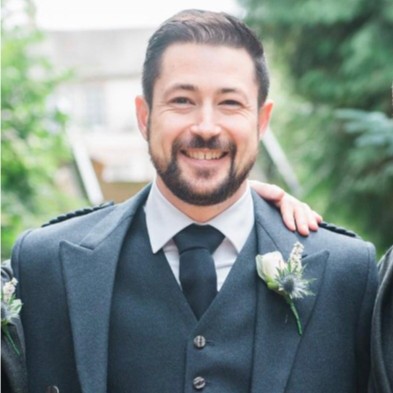
Fingal Mckiernan
SSE Renewables
Commercial Fisheries Manager
Show Bio
Fingal Mckiernan
SSE Renewables
Commercial Fisheries Manager
Fin manages the commercial fisheries operations and strategy for SSE Renewables' offshore wind portfolio. He sits on multiple strategic groups across the UK and Europe to generate national guidance, best practices, and co-existence strategies for the offshore wind and commercial fisheries sectors. Fin is the author of the UK's and Europe’s first developer-published report, ‘Principals for Co-existence with Commercial Fisheries’, which outlines SSE Renewables’ strategic commitments to working with the fisheries sector.
Alex Gauntt
Fjord Base
Head of Offshore Wind UK
Show Bio
Alex Gauntt
Fjord Base
Head of Offshore Wind UK
Alex Gauntt is the Head of Offshore Wind UK at Fjord Base.
Fjord Base is a leading construction support base in Florø, Norway experienced in renewables and offering over 150 hectares of high-grade facilities with integrated supply chain.
Committed to facilitating the continued expansion of offshore wind, Fjord Base is offering its services to Europe & the UK.
Alex joined Fjord base in 2024 having spent more than 20 years in the offshore & onshore renewable energy sectors both in project development and supply-chain.”
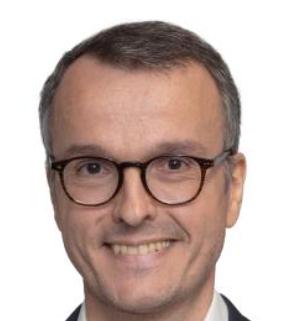
José Azcona Armendáriz (PhD, MEng)
CENER
Head of the Offshore business unit
Show Bio
José Azcona Armendáriz (PhD, MEng)
CENER
Head of the Offshore business unit
José holds a degree in Industrial Engineering from the Universidad Pública de Navarra and a PhD in Naval Engineering from the Universidad Politécnica de Madrid.
He also completed a General Management Program (PDG) at IESE Business School. With over 20 years of research experience in renewable energy, José has been a key contributor to the field since joining CENER in 2004.
He began his career focusing on rotor design and load calculations and specialized in offshore wind energy since 2007.
Through his research, José has developed integrated numerical models for dynamic simulations of moored floating turbines, Software-in-the-Loop hybrid testing methods for scaled wave tank experiments, tools for characterizing hull pressure distributions from integrated numerical simulations, etc.
He has extensively shared his findings through publications in leading international journals and conferences.
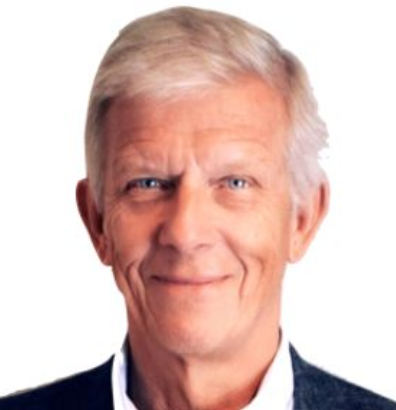
Bertil Moritz
Windeed
CEO
Show Bio
Bertil Moritz
Windeed
CEO
Bertil Moritz is the founder of Windeed. He was an ABB executive responsible for technology and business development WW in the largest business area.
Since 2000 he has started and successfully built several companies as a serial entrepreneur.
He is the inventor of about 60 patents ( 20 of them related to floating wind).
Already in 2008 he started the journey of finding the ultimate solution to floating wind system, together with GVA , by then the prime engineering company for O&G platforms.
He has a MSc in Engineering physics and his thesis was in the field of hydrodynamics.
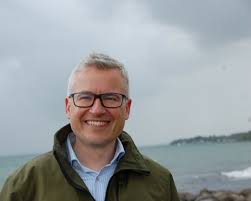
Henrik Bredmose
DTU Wind and Energy Systems
Professor
Show Bio
Henrik Bredmose
DTU Wind and Energy Systems
Professor
Henrik is professor in Offshore Wind Energy at DTU Wind, where he is Section Head for Response, Aero-elasticity, Control and Hydrodynamics.
He is an internationally recognized expert in dynamics of offshore wind turbines and hydrodynamic loads.
Strong background in wave hydrodynamics, applied mathematics, numerical methods and violent flows. 25 years of research experience from academic and private sector.
With several larger grants and WP leaderships in the EU LIFES50+ and COREWIND projects.
Research areas: Wave loads on offshore wind turbine substructures.
Structural response to wave and wind loads.
Dynamics of floating wind turbines.
Physical model tests of floating wind turbines.
Numerical wave hydrodynamics and CFD methods for wave loads.
Aeration effects for violent wave impacts.
Fast calculation methods for rapid response prediction and design optimization.

Axelle Viré
TU Delft
Professor
Show Bio
Axelle Viré
TU Delft
Professor
Axelle Viré is a Full Professor of Floating Wind Energy and the Scientific Director of the Floating Renewables Lab at TU Delft.
Since July 2024, she is also head of department “Flow Physics and Technology” at the Faculty of Aerospace Engineering (TU Delft).
She graduated in Mechanical Engineering at the Université Libre de Bruxelles (Belgium), where she also completed her PhD.
She then worked as a Research Fellow at Imperial College London (UK) before joining TU Delft.
She currently leads a team working on the numerical modelling, experimental testing, and system design for floating offshore wind turbines and farms.
She also coordinates the 13m€ NWO project “HybridLabs” to accelerate Dutch innovations in offshore renewables and is the recipient of a prestigious NWO VIDI grant aimed at better understanding the aerodynamics of floating wind turbines.
Next to her research activities, she is committed to increasing human capital in offshore wind energy and received an Education Fellowship at TU Delft in 2023.
Outside TU Delft, she is a member of the scientific advisory board of the NoordzeeOverleg, a Dutch association in charge of implementing the North Sea Agreement.

Eli Wærum Rognerud
RES
Managing Director, Norway
Show Bio
Eli Wærum Rognerud
RES
Managing Director, Norway
Eli Wærum Rognerud is the managing director for RES Renewables Norway. RES is the world’s largest, independent renewables developer, supporting more than 41 GW assets worldwide.
Eli has had in international career in energy and organisational development, most recently as head of strategic initiatives at Innovation Norway.
She has also held roles as head of export at Innovation Norway France, at the Norwegian Ministry of Energy and head of the Petroleum Programme at the Office of the Auditor General.
Christos Kolliatsas

Wood
Technical Director - Clean Energy EMEA
Show Bio
Christos Kolliatsas
Wood
Technical Director - Clean Energy EMEA
A highly motivated and results oriented director with an excellent track record of leading and delivering hundreds of GWs of challenging Clean Energy projects globally. Supported various governments in setting up and delivering renewables programmes.
Industry expert widely recognised in the industry having been voted in the Top100 influential people in wind two consecutive years.

John Watt
Brown & May Marine Ltd (BMM)
Senior Fisheries Expert
Show Bio
John Watt
Brown & May Marine Ltd (BMM)
Senior Fisheries Expert
John is a Senior Fisheries Expert at Brown & May Marine Ltd (BMM) with extensive first-hand experience of both the fishing industry and its interactions with offshore developments.
John was the skipper of a demersal trawler in Scotland where he worked for over 20 years.
More recently he took up the position of Fishing Industry Advisor with the Scottish Fishermen’s Federation (SFF), a role that involved close liaison with the Renewables, Cable and Oil and Gas industries.
In his current role at BMM, he provides expertise on fishing operations and leads on fishing liaison activities for a wide range of offshore wind farm projects.
John also plays a key role supporting the company’s strategic advisory services to facilitate co-existence between offshore wind and fishing globally.
Paolo Grossi

Galileo Green Energy
Chief Commercial Officer
Show Bio
Paolo Grossi
Galileo Green Energy
Chief Commercial Officer
Paolo Grossi is the Chief Commercial Officer of Galileo, a development and investment platform in the European renewables sector backed by four major international institutional investors.
Since 2020, Paolo has contributed to the creation and development of Galileo Green Energy, building on 30 years of experience in growing energy companies, having held managerial positions for major European utilities and gained extensive experience in business development, construction and operation of generation facilities, commercial and operational energy management, and sales.
Prior to joining Galileo, Paolo served for a decade as President and CEO of RWE Innogy Italia and innogy italia, developing renewable generation assets and promoting their market integration.
After graduating in Electrical Engineering in 1990 and ten years of professional growth at ENEL, in 2000 he moved to Electra Italia, joint venture between E.ON and BKW, becoming its CEO in 2002.
Paolo expanded BKW's presence in Italy until 2010, integrating sales activities with a diversified portfolio of power generation assets.
Paolo is past-president of AIGET (Italian Association of Energy Wholesalers and Traders) and member of the General Council of Elettricità Futura.
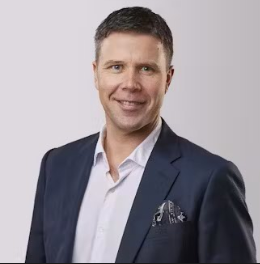
Torfinn Gaupås
Karmsund Port Authority
Port Director
Show Bio
Torfinn Gaupås
Karmsund Port Authority
Port Director
Torfinn Gaupås, Port Director at Karmsund Port Authority, has extensive and broad management experience from the maritime industry.
He has a background from the energy sector and from maritime logistics. Torfinn has been a key contributor to the development of the logistics hub and other sites of Karmsund Port Authority.
He leads the company through further development in new industries and new areas of focus. The company is currently developing its largest investment ever; Haugesund Wind Port Haavik.
Through input from developers, OEMs, T&I companies and by using AI technology, Haugesund Wind Port Haavik is intended to be launched as one of the world's most efficient offshore wind ports.
Its location on the southwest coast of Norway in sheltered waters, but with proximity to the North Sea, means that the port can serve offshore wind development across the North Sea and the Baltic Sea.
Ricardo Rocha

BayWa r.e. AG
Technical Director Offshore Wind
Show Bio
Ricardo Rocha
BayWa r.e. AG
Technical Director Offshore Wind
Ricardo is an Engineer Geologist with over twenty years of technical management and consulting experience in the field of geosciences applied to engineering and construction, both onshore and offshore.
Particularly in the Offshore Wind Industry, Ricardo gained experience in the full life cycle, of both Fixed bottom and Floating projects, having been involved in the tender preparation, development, consenting, construction, and operation of more 20 GW of Offshore Wind projects, in 10 Countries, across Europe, North America and Asia Pacific regions.

Agni Argyri

WORLD FORUM OFFSHORE WIND (WFO)
Offshore Wind Analyst
Show Bio
Agni Argyri
WORLD FORUM OFFSHORE WIND (WFO)
Offshore Wind Analyst
Agni Argyri is an Offshore Wind Analyst at WFO (World Forum for Offshore Wind), a non-profit organization 100% focused on promoting offshore wind globally.
Agni brings knowledge and expertise to her role, focusing on sustainability, environmental impacts of renewable energy, climate change, and offshore wind.
Agni holds a degree in Industrial Engineering from the Polytechnical University of Crete.
She completed her internship at Principle Power in Lisbon, where she worked on the Life Cycle Assessment of the floating offshore wind farm EFGL.
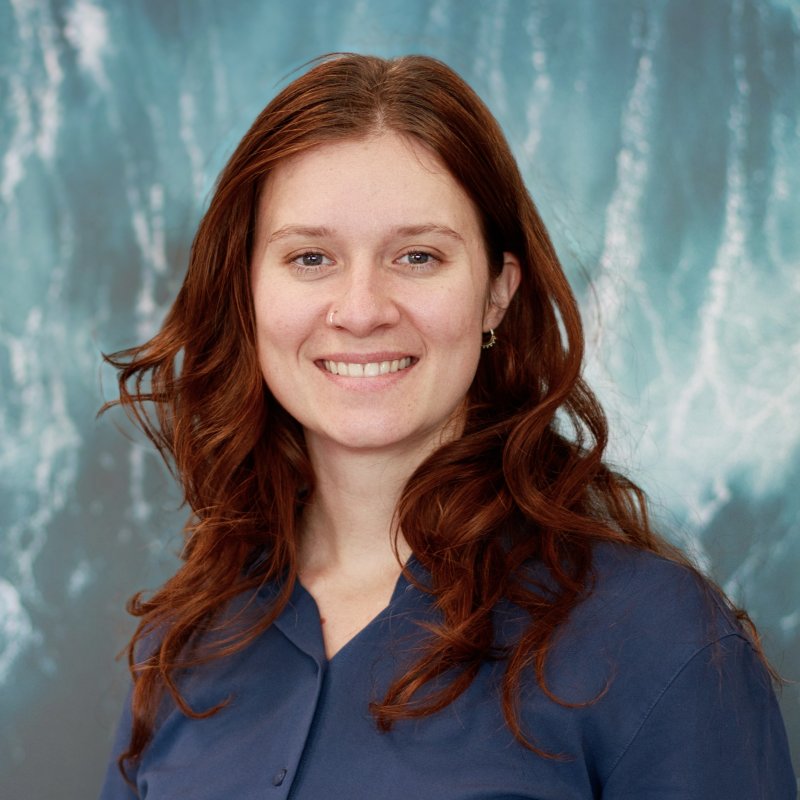
Alva Bechlenberg
DMEC (Dutch Marine Energy Centre)
Energy Solution Analyst
Show Bio
Alva Bechlenberg
DMEC (Dutch Marine Energy Centre)
Energy Solution Analyst
I work as an Energy Solution Analyst at the Dutch Marine Energy Centre, my work consists mainly of analyzing multi-source offshore renewable energy parks from a techno-financial perspective.
Peter Lloyd Williams

Westwood Global Energy Group
Senior Analyst
Show Bio
Peter Lloyd Williams
Westwood Global Energy Group
Senior Analyst
Peter Lloyd-Williams is an offshore wind specialist focused on the commercial realities behind the energy transition.
As a Senior Commercial Analyst at Westwood Global Energy Group, he analyses how policy, pricing, and market dynamics shape the viability of large-scale renewables projects, helping industry navigate an increasingly complex global energy landscape with actionable, data-driven insights.
Phil Johnston
Celtic Sea Power
Business Development Manager
Show Bio
Phil Johnston
Celtic Sea Power
Business Development Manager
Originally graduated in environmental sciences before an early career in marine ecology research.
I then spent several years at sea as an offshore environmental consultant, primarily on oil and gas exploration surveys but also on offshore wind developments and navy frigates.
A move onshore to managing ocean monitoring programmes followed before soon switching to business development.
My experience here involved commercialising one of the UK’s first uncrewed surface vessels (USVs) from early testing through to market readiness. I now live on the north coast of Cornwall, working on strategic development of floating offshore wind in the Celtic Sea.

Immanuel Capano

Saitec Offshore
CCO
Show Bio
Immanuel Capano
Saitec Offshore
CCO
Immanuel is CCO at Saitec Offshore Technologies, leading the global expansion of floating technology specialist Saitec Offshore Technologies.
In this role, Immanuel oversees commercial strategy, business development, and partnerships, working to accelerate the deployment of scalable floating wind solutions.
He is a civil engineer with extensive international experience in management, and implementation of large infrastructure schemes and with a broad technical, commercial, and operational background.
With over 20 years of experience in large-scale infrastructure projects, Immanuel held various leadership positions, including as a regional area manager with operational and commercial responsibilities

Pierre Lagarde

BW Ideol
Head of Business Acquisition Department
Show Bio
Pierre Lagarde
BW Ideol
Head of Business Acquisition Department
Pierre holds an Engineer’s Degree in Naval Architecture from Centrale Méditerranée.
With 16 years of experience in the shipping, offshore oil and gas, and floating wind turbine industries, he initiated his career at CNM shipyard, overseeing ship repairs and maintenance activities for large units during their drydock stops.
Then at Principia, an engineering company, he actively contributed to the design of various complex floating structures and their station-keeping systems.
He played a crucial role in obtaining certifications for floating designs and participated in the pioneering offshore wind projects.
Pierre transitioned fully into the floating wind turbine industry as a naval architect at Nenuphar, a company that developed a concept for a floating vertical axis wind turbine.
He managed the entire scope of the floating foundation, including engineering, procurement, construction, and installation.
For the past 6 years, Pierre has been working at BW Ideol.
Initially, he oversaw the development of the large-scale construction of BW Ideol’s platform as a Project Engineering Manager. Currently, he serves as the Head of Business Acquisition department.
Johnathan Love
OWC
O&M Lead London, UK
Show Bio
Johnathan Love
OWC
O&M Lead London, UK
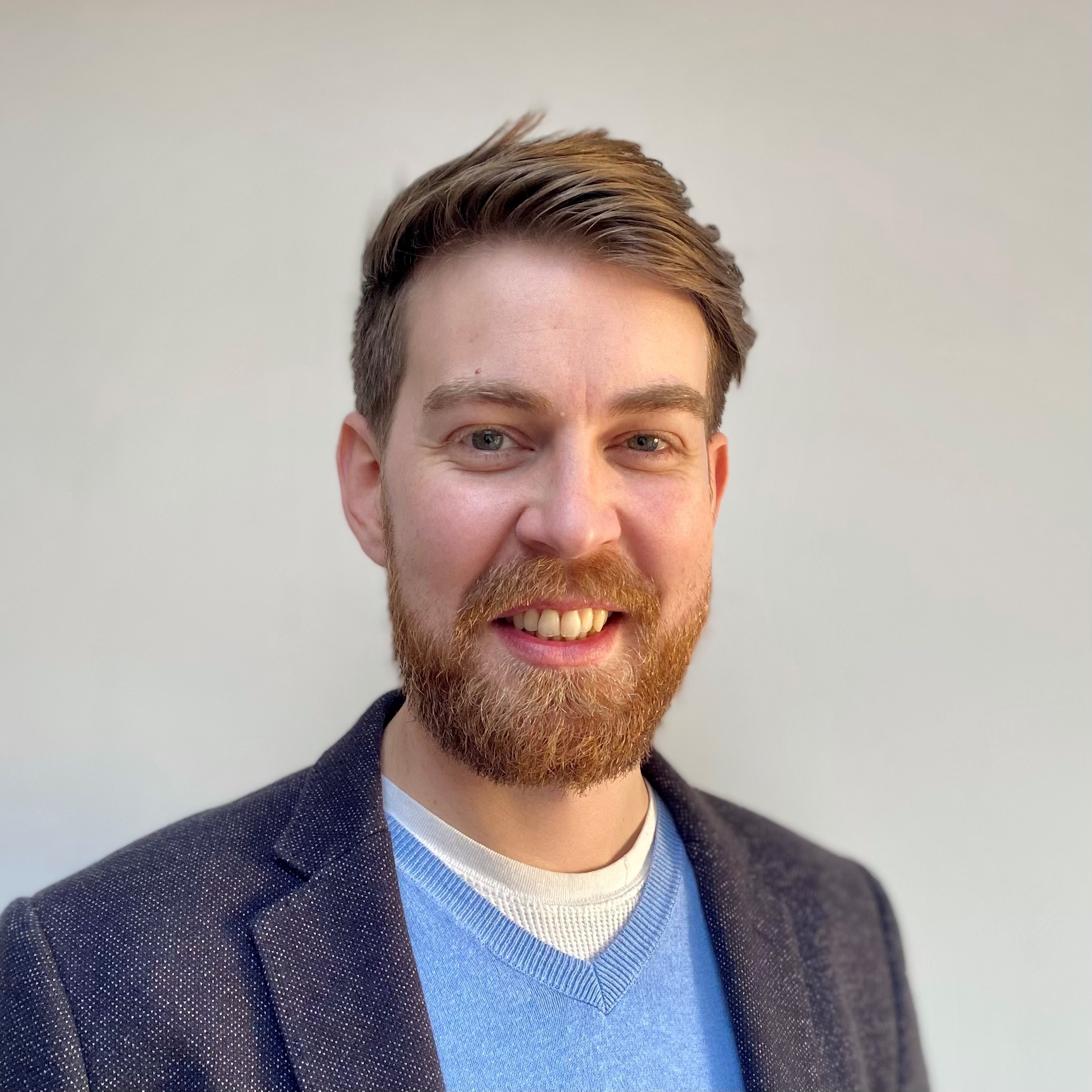
Johnathan has been the O&M Lead for OWC since 2024 and is an experienced renewable energy project professional with more than 12 years across the renewables sector committed to a variety of project management and technical delivery roles.
He specializes in the areas of Operations & Maintenance (O&M) for offshore wind and also has experience with Innovation and Supply Chain support.
Johnathan is Association for Project Management (APM) certified with full membership (MAPM) and has a proven record of delivering to client's specific objectives and financial targets across a diverse portfolio across offshore wind, solar and renewable heating projects.
Robin K Priestley
UK Export Finance
Regional Head – Export Finance Managers – Northern England, Scotland & Northern Ireland
Show Bio
Robin K Priestley
UK Export Finance
Regional Head – Export Finance Managers – Northern England, Scotland & Northern Ireland
TBA
Femke de Boer

Xodus
Commercial Fisheries Specialist
Show Bio
Femke de Boer
Xodus
Commercial Fisheries Specialist
TBA
James Lawson-Hall

DESNZ
Offshore Wind Port Policy Lead
Show Bio
James Lawson-Hall
DESNZ
Offshore Wind Port Policy Lead
TBA
Ferdinando Samonà
BlueFloat Energy
Industrialization Senior Manager - Floating Wind
Show Bio
Ferdinando Samonà
BlueFloat Energy
Industrialization Senior Manager - Floating Wind
TBA
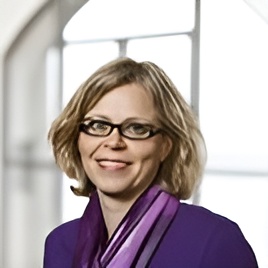
Anna Marie Owie
EIFO
Director, Head of Wind Origination
Show Bio
Anna Marie Owie
EIFO
Director, Head of Wind Origination
TBA
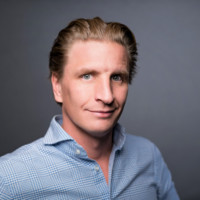
Jelte Kymmell
ECO TLP
CTO
Show Bio
Jelte Kymmell
ECO TLP
CTO
Jelte has been fascinated by offshore innovations since his graduation at the TU Delft.
Since 2013 he is the founder of MOCEAN Offshore BV where he has been involved in a wide range of offshore innovation projects and co-founder of MO4, software for offshore operational forecasting and analytics.
He has been involved in the ECO TLP® design since 2014, running both model basin tests at MARIN for the 6-8MW WTGs in 2014 and then the 15-23MW WTGs in 2023.
BSc & MSc. Mechanical Engineering & Offshore Technology, Technische Universiteit Delft, The Netherlands Jelte Kymmell | LinkedIn
Past Sponsors and Partners














Hotel & Venue
We will confirm the venue approximately 3-6 weeks prior to the event date and we will negotiate discounted room rate for conference attendees
Join us in Boston, Massachusetts on the 28th - 29th September, 2027
Venue:
TBA - Boston, Massachusetts
Address:
TBA, Boston, Massachusetts
Get Location









Our Clients Opinion
What Our Customers Say

Projects Developer / Asset Manager, aventron
Head Data Analytics & Business Excellence, Suzlon Global Services Limited

CISO Group Network Manager, Madison Insurance Kenya Limited

Partner, Everoze
Senior Electrical Engineer, Seaway Offshore Cables
EVP, Xfloat

Senior Associate, The Carbon Trust
Renewables MWS Director, Europe and London, ABL Group

Manager, Biomethane Development Office, Biomethane Development Office
CEO, Bore and Biogaz Vallée
Senior Advisor, Apricum Group

Senior Project Manager, Fichtner GmbH & Co. KG
CABLE DESIGN ENGINEER, DEME OFFSHORE NLBV
Senior Projects Engineer, JERSEY ELECTRICITY PLC
Renewable Energy Engineer, EDF Renewables
Sales Manager, Mondragon Assembly
AgriPv Engineer, RP Global
President, Sapiens Energia
, ENI SPA
Head of Agricultural structures, RP Global

Senior Engineer/ Manager, NEXANS
Functional Safety Specialist, Brace Automotive

Principal Functional Safety Manager, Veoneer

System Safety Engineer, Veoneer

Principal Consultant, OMNEX

Functional Safety Expert, Brightskies
Director, Renesas Electronics Europe GmbH
FUSA MANAGER, Robert Bosch GmbH
Senior fusa Manager, AVL power train Uk Ltd

Head, Fusa & Cybersecurity, Ebusco
Fusa Manager, SENSATA TECHNOLOGIES
Principal Automation Engineer, The Lee Company
Fusa Manager, Robert Bosch Gmbh

E-mobility Analyst, Green Rising
Business Unit Head, Industrial Development Corporation of SA Ltd. (IDC)
Associate Prof., De Montfort University

Risk Analyst, CIC Insurance Group
Carbon Removal Kenya Cordinator,
Asistant Branch Manager, I&M Bank Limited
ESG Reporting Analyst, NAIVAS Limited
QHSE Officer, Pavicon Group
Risk & Compliance Manager, C-Care Health Uganda

Head SHEQ/ Susutainability, International Hospital Kampala
EHS Officer, Pavican Group Kenya
Cordinator, Carbon Removal Kenya
HSE Officer, Lake Turkawa wind power
Large Scale Lead, Colorifix
Analytical Expert, Boehringer Ingelheim

Technical Director, Systeme
Head of Unit, Regulatory Authority for Energy, Waste and Water
Project Engineer, Ramboll
Eng. Director, seaway7
Associate, Arup

Professor, Ruhs University Bochum
Founding Partner, Managing Director, and COO, Green Giraffe

Professor, University of Bologna
Director, Green Mobility Practice Lead, Apricum Group
IT operation Specialist, Better Energy A/S
Up Business Excellence,

principle Cyber Sec, INTEX IT

Cybersecurity Lead, Wood Plc
Continuity manager, ReboBank
Supply Chain Information, Pinsents masons