

Africa’s Green Economy: Unlocking Sustainable Growth and Climate Resilience
Africa is increasingly positioning itself at the center of the global green economy transition. With abundant renewable energy resources, a rapidly growing population, and expanding investment opportunities, the continent has the potential to become a major driver of sustainable economic growth. As governments, businesses, and development institutions focus on balancing economic development with environmental responsibility, the green economy is emerging as a powerful framework for Africa’s future prosperity.
A green economy promotes economic growth while reducing environmental risks, improving resource efficiency, and supporting social inclusion. For Africa, this approach is particularly important because it addresses critical challenges such as energy access, climate vulnerability, unemployment, food security, and sustainable industrial development.
Renewable Energy as a Growth Engine
One of the strongest pillars of Africa’s green economy is renewable energy. The continent possesses some of the world's most significant solar, wind, hydroelectric, and geothermal resources. Despite this potential, millions of people still lack reliable access to electricity.
Investments in renewable energy are helping close this gap while creating economic opportunities. Large-scale solar parks, wind farms, mini-grids, and off-grid energy solutions are improving energy access in both urban and rural communities. Reliable electricity supports industrial growth, healthcare services, education, digital innovation, and entrepreneurship.
Renewable energy development is also attracting international investment and creating employment opportunities across construction, operations, maintenance, and manufacturing sectors.
Sustainable Agriculture and Food Security
Agriculture remains one of Africa’s most important economic sectors, employing a significant portion of the population. However, climate change, water scarcity, and land degradation continue to threaten agricultural productivity.
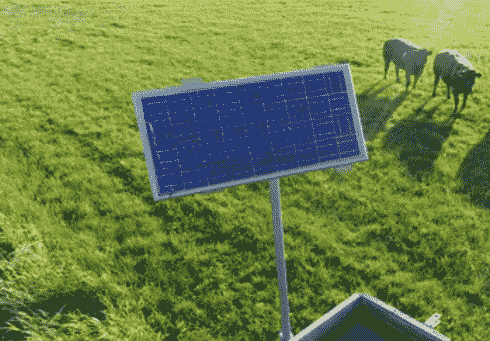
Green economy initiatives are encouraging the adoption of climate-smart agriculture, efficient irrigation systems, sustainable land management practices, and renewable energy-powered farming technologies. These approaches help improve crop yields, conserve natural resources, and strengthen food security.
Innovations such as agrivoltaics, solar-powered irrigation, precision farming, and digital agricultural platforms are helping farmers increase productivity while reducing environmental impacts.
Green Industrialisation
Africa's industrial growth presents a unique opportunity to pursue a more sustainable development path. Rather than following traditional high-emission industrial models, many countries are exploring cleaner production methods from the outset.
Green industrialisation includes investments in renewable-powered manufacturing, low-carbon supply chains, circular economy initiatives, sustainable mining, green hydrogen production, and environmentally responsible infrastructure development.
The growing global demand for clean technologies, battery materials, and renewable energy components could position Africa as a strategic supplier within future green value chains.
Job Creation and Economic Inclusion
The green economy has significant potential to create employment opportunities across multiple sectors. Renewable energy, sustainable construction, waste management, ecosystem restoration, sustainable transport, and environmental services are all expected to generate new jobs.
Africa's youthful population represents a major advantage in this transition. Investments in education, vocational training, and technical skills development can help prepare workers for careers in emerging green industries.
A successful green economy strategy can also promote greater economic inclusion by expanding opportunities for women, young people, and underserved communities.
Climate Resilience and Adaptation
Africa contributes relatively little to global greenhouse gas emissions but remains highly vulnerable to climate-related risks such as droughts, flooding, rising temperatures, and extreme weather events.
Building climate resilience is therefore a critical component of the continent’s green economy agenda. Investments in resilient infrastructure, water management systems, ecosystem restoration, sustainable agriculture, and disaster preparedness can help reduce vulnerabilities while supporting economic stability.
Adaptation measures not only protect communities but also strengthen long-term development outcomes.
Green Finance and Investment
Achieving green economy objectives requires substantial investment. Fortunately, interest in sustainable finance is growing rapidly across Africa. Green bonds, climate funds, blended finance mechanisms, impact investment strategies, and public-private partnerships are helping mobilize capital for sustainable development projects.
International financial institutions, development banks, and private investors increasingly recognize Africa as a key destination for green investment opportunities.
These funding mechanisms are supporting renewable energy projects, sustainable infrastructure, climate adaptation initiatives, and environmentally responsible business ventures.
The Road Ahead
Africa’s green economy is not simply an environmental agenda—it is an economic development strategy designed to create sustainable growth, improve living standards, and enhance resilience. By leveraging its natural resources, youthful workforce, and growing innovation ecosystem, the continent can build a more competitive and sustainable future.
The transition will require strong policy frameworks, investment, technology transfer, skills development, and regional cooperation. However, the opportunities are substantial.
As global demand for sustainable solutions continues to rise, Africa has the potential to become a leader in renewable energy, green industry, climate-smart agriculture, and sustainable development.
Takeaway Point
Africa’s green economy offers a pathway to sustainable growth by combining renewable energy, green industrialisation, climate resilience, sustainable agriculture, and inclusive job creation. With the right investments and policies, the continent can unlock significant economic opportunities while building a more sustainable future.
For more information and group participation, contact us: [email protected]
Leadvent Group - Industry Leading Events for Business Leaders!
www.leadventgrp.com | [email protected]











Comment