

Agriculture and Solar Energy: A Sustainable Partnership for the Future
As the demand for food and clean energy continues to grow, combining agriculture and solar energy is becoming an effective solution for sustainable development. Rather than competing for land, modern farming and solar power can work together to increase productivity, improve resource efficiency, and strengthen rural economies.
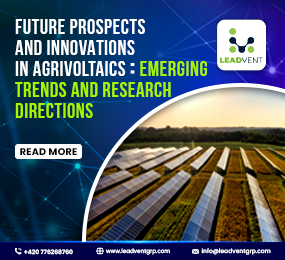
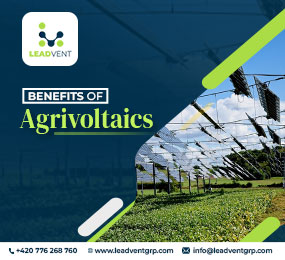
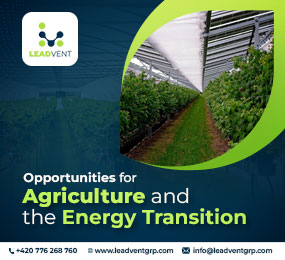
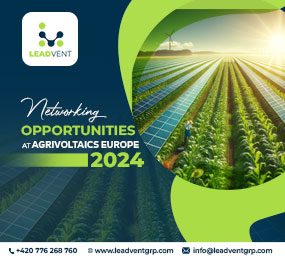
One of the most innovative approaches is agrivoltaics, where solar panels are installed above or alongside crops. This allows farmers to produce renewable electricity while continuing agricultural activities on the same land. The solar panels provide partial shade, which can help reduce water evaporation, protect certain crops from excessive heat, and improve soil moisture during dry periods.
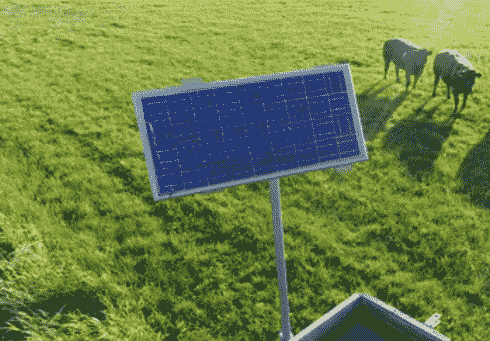
Solar energy also plays a vital role in modern farming by powering irrigation systems, greenhouses, cold storage facilities, livestock operations, and agricultural machinery. This helps farmers reduce energy costs, improve productivity, and lower their dependence on fossil fuels.
Beyond environmental benefits, integrating solar energy into agriculture creates new income opportunities. Farmers can generate revenue by selling excess electricity to the grid while maintaining crop production, making their businesses more resilient to changing weather conditions and market fluctuations.
As governments invest in renewable energy and sustainable agriculture, the adoption of solar-powered farming solutions is expected to grow. Advances in photovoltaic technology, battery storage, and smart farming systems will further improve efficiency and make clean energy more accessible to agricultural communities.
The combination of agriculture and solar energy represents a practical way to address food security, energy demand, and climate change at the same time. By producing food and clean electricity on the same land, this approach supports long-term sustainability while helping farmers build more resilient and profitable operations.
Takeaway Point
The integration of agriculture and solar energy enables farmers to grow crops while generating renewable electricity, improving land-use efficiency, reducing operating costs, conserving natural resources, and supporting a more sustainable and climate-resilient future.
Learn more on our website:
For more information and group participation, contact us: [email protected]
Leadvent Group - Industry Leading Events for Business Leaders!







Comment