

E-Fuels: Accelerating the Transition to Sustainable Energy
As the world moves towards a low-carbon future, e-fuels are emerging as one of the most promising solutions for reducing emissions in sectors where electrification remains difficult. Produced using renewable electricity, green hydrogen, and captured carbon dioxide, e-fuels offer a sustainable alternative to conventional fossil fuels while making use of much of the existing fuel infrastructure.
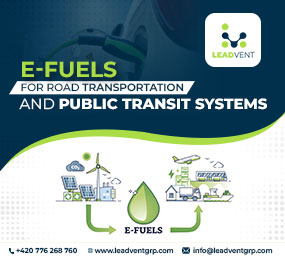
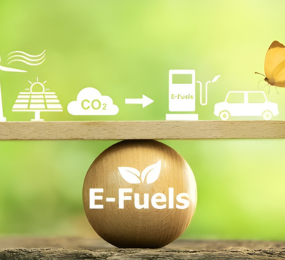
The production process begins with renewable electricity generated from sources such as wind or solar power. This electricity powers electrolysis, which splits water into hydrogen and oxygen. The resulting green hydrogen is then combined with captured carbon dioxide to produce synthetic fuels, including e-kerosene, e-methanol, e-ammonia, and e-diesel. These fuels can significantly reduce lifecycle greenhouse gas emissions when produced using renewable energy.
E-fuels are particularly valuable for industries that require high-energy-density fuels. In aviation, e-kerosene is helping expand the supply of Sustainable Aviation Fuel (SAF), enabling airlines to reduce emissions without replacing existing aircraft. In the maritime sector, e-methanol and e-ammonia are becoming leading alternatives to conventional marine fuels as shipowners work to meet international decarbonization targets.
Heavy industries such as steel, chemicals, and long-distance freight transport can also benefit from e-fuels, especially where direct electrification is technically or economically challenging. Their compatibility with existing engines, storage facilities, and fuel distribution networks makes them a practical option for accelerating the energy transition.
Although production costs remain higher than those of conventional fuels, increasing investment, technological innovation, and supportive government policies are helping scale up commercial production. As renewable energy capacity expands and manufacturing processes become more efficient, e-fuels are expected to become more widely available and cost-competitive.
Takeaway Point
E-fuels provide a practical pathway to decarbonizing aviation, shipping, and heavy industry. By combining renewable electricity with green hydrogen and captured carbon dioxide, they support cleaner transport, strengthen energy security, and play a vital role in achieving global net-zero emissions.
Learn more on our website: https://www.leadventgrp.com/event/3rd-annual-world-e-fuels-summit/register
For more information and group participation, contact us: [email protected]
Leadvent Group - Industry Leading Events for Business Leaders!











Comment