

AgriVoltaics: A New Frontier for Sustainable Agriculture in Europe
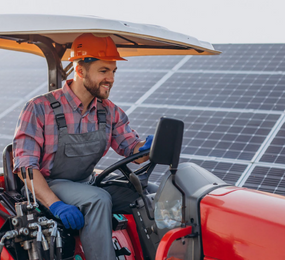
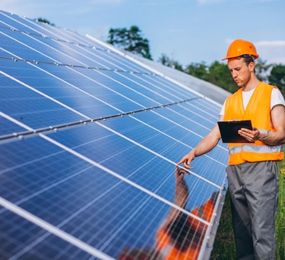
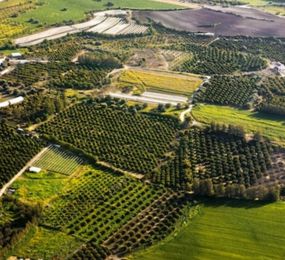
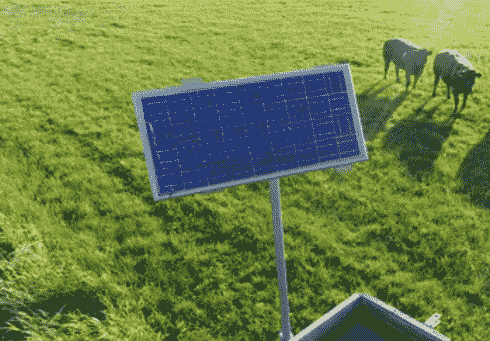
As Europe grapples with the dual challenges of the energy transition and food security, AgriVoltaics (APV) has emerged as a transformative solution. By co-locating solar photovoltaic panels and agricultural production on the same land, this "dual-use" approach addresses the growing competition for land between renewable energy developers and the farming community.
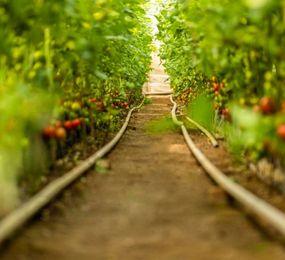
In the context of the European Green Deal, AgriVoltaics offers a unique synergy. High-value crops, such as berries, grapes, and leafy greens, often benefit from the partial shade provided by elevated solar structures. In Southern European nations like Spain and Italy, these panels act as a shield against increasingly frequent heatwaves and excessive UV radiation, reducing water evaporation and heat stress. Conversely, in Northern Europe, AgriVoltaic systems are being designed to protect crops from frost and heavy rainfall, effectively acting as high-tech greenhouses that generate revenue through both harvest and electricity.
The European regulatory landscape is evolving to support this frontier. Countries like France have pioneered specific legislation to define "Agrivoltaïsme," ensuring that energy production remains secondary to agricultural viability. This prevents the total conversion of arable land into "solar farms" while providing farmers with a diversified income stream—a crucial safety net in an era of volatile commodity prices.
Technological innovation is further driving adoption. Bifacial panels that capture sunlight from both sides and tracking systems that tilt to allow farm machinery to pass underneath are becoming standard. While initial capital costs remain higher than traditional solar installations, the long-term benefits—increased land-use efficiency, water conservation, and decentralized rural energy—position AgriVoltaics as a cornerstone of Europe's sustainable future. As the continent strives for climate neutrality by 2050, the integration of the "solar-sharing" model will be essential for a resilient agricultural sector.
Visit our website to know more: https://www.leadventgrp.com/events/4th-annual-agrivoltaics-europe/details
For more information and group participation, contact us: [email protected]
Leadvent Group - Industry Leading Events for Business Leaders!
www.leadventgrp.com [email protected]




Comment