

Agrivoltaics: Cultivating Energy and Crops Side by Side
As climate change tightens its grip and energy demands continue to rise, the need for innovative, sustainable land use has never been more pressing. One solution gaining ground across Europe, Africa, and beyond is agrivoltaics the smart integration of agriculture and photovoltaic solar panels on the same land.
At first glance, pairing crops with solar panels may seem unconventional. Yet, this dual-use approach is proving to be both environmentally and economically promising. Agrivoltaics is not only redefining how we grow food and harvest energy it’s reshaping our approach to land stewardship.
A New Era of Land Efficiency
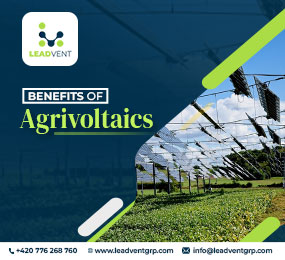
Traditional solar farms often compete with agriculture for land. Agrivoltaics turns this conflict into synergy. By raising solar panels high enough to allow farming underneath or between them, land is used more efficiently producing clean energy while still supporting crops, livestock, or pollinator habitats.
This is especially critical in regions where land availability is limited or soil degradation is a growing threat. For smallholder farmers and rural communities, agrivoltaics offers a new way to generate income while adapting to changing climate conditions.
Benefits That Go Beyond the Surface
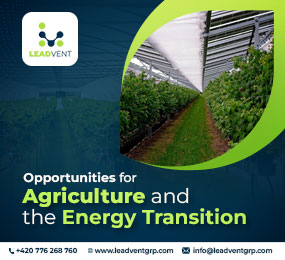
The benefits of agrivoltaics extend beyond dual productivity. The shade provided by solar panels can reduce water evaporation, meaning less irrigation is needed. Certain crops such as leafy greens, berries, or herbs actually thrive in these cooler, semi-shaded conditions.
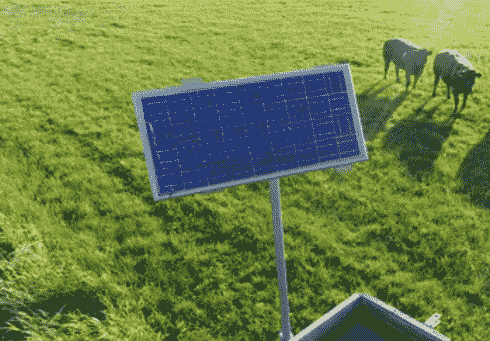
In hot climates, livestock can graze more comfortably under the panels, reducing heat stress. In colder regions, panels can help protect against frost and wind damage. Meanwhile, farmers benefit from a second revenue stream selling solar energy back to the grid or powering their own operations.
Real-World Impact and Adoption
Countries like Germany, France, Italy, and Kenya are beginning to see the tangible impact of agrivoltaic systems. Pilot projects in Europe show promising increases in land productivity, while rural solar-agriculture projects in Africa help electrify off-grid communities.
Importantly, these projects often involve partnerships between farmers, energy developers, research institutions, and policymakers. This collaboration ensures that agrivoltaics is not just a technological innovation, but a socially grounded and economically viable solution.
Looking Ahead: From Concept to Widespread Practice
While the potential is significant, scaling agrivoltaics comes with challenges policy uncertainty, upfront investment costs, and the need for technical training among farmers. However, as more success stories emerge and governments begin to recognize the value of multi-use land strategies, adoption is expected to grow.
Strategic planning, inclusive policymaking, and continued research are key to making agrivoltaics a cornerstone of sustainable development not just in theory, but in daily practice.
Takeaway Point:
Agrivoltaics is more than just solar panels on a farm it’s a forward-thinking model that proves we don’t have to choose between food security and clean energy. With the right support, it can help build more resilient communities, healthier ecosystems, and a balanced future for people and planet.
Learn more on our website: https://www.leadventgrp.com/event/4th-annual-agrivoltaics-europe/register
For more information and group participation, contact us: [email protected]
Leadvent Group - Industry Leading Events for Business Leaders!
www.leadventgrp.com | [email protected]






Comment