

Non-Road Mobile Machinery (NRMM): Powering Progress with Lower Emissions
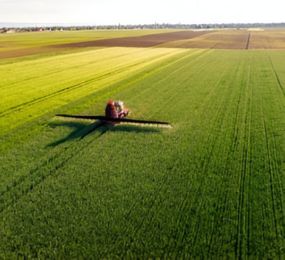
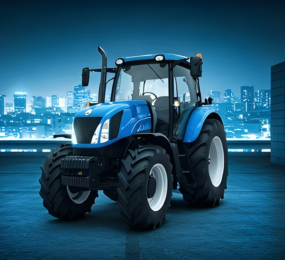
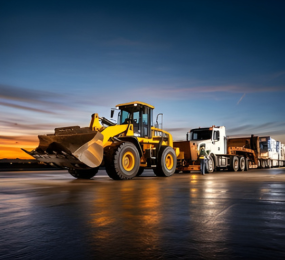
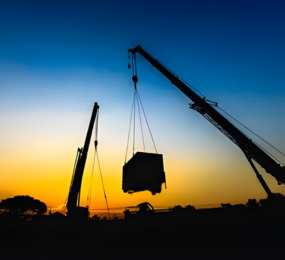
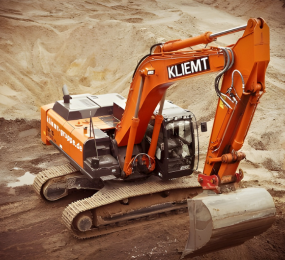
Non-Road Mobile Machinery, often operating behind the scenes, plays a critical role in building and maintaining the physical world around us. From construction sites and mining operations to airports, railways, and agriculture, NRMM includes equipment like excavators, bulldozers, forklifts, and generators—machines essential to industrial activity but historically overlooked in climate and air quality conversations.
In recent years, however, NRMM has begun to step out of the shadows. Environmental concerns and tightening regulations are pushing manufacturers and operators to rethink how these machines are powered, maintained, and integrated into the broader push for cleaner, more sustainable operations.
Why NRMM Deserves More Attention
Unlike road vehicles, NRMM is not subject to the same level of public scrutiny or policy enforcement. Yet, these machines often run for long hours, in dense urban areas or remote regions, emitting large volumes of pollutants including nitrogen oxides (NOx), particulate matter (PM), and carbon dioxide (CO?).
The problem is compounded by the fact that many NRMM fleets are aging, still running on older diesel engines with limited filtration or emissions control. Left unchecked, NRMM emissions can significantly affect local air quality, worker health, and contribute to climate change.
Regulation is Catching Up
Countries across Europe, North America, and parts of Asia have begun rolling out stage-based emission standards for NRMM similar to those applied to cars and trucks. These include requirements for cleaner engine technologies, the use of diesel particulate filters (DPFs), and in some cases, full electrification of certain machinery types.
Cities like London have even introduced low-emission zones specifically for NRMM used on construction sites, pushing contractors to modernize their fleets or adopt hybrid and electric alternatives.
Innovation Leading the Way
The industry is responding. Manufacturers are developing cleaner engines, hydrogen-powered models, and battery-electric machines designed to operate quietly and without tailpipe emissions. In addition to lowering environmental impact, these technologies often reduce maintenance needs and fuel costs adding operational value.
Retrofit programs are also gaining traction, where older machines are upgraded with emission-reduction kits or cleaner engines, extending their lifespan while meeting new compliance standards.
Barriers and Opportunities
The transition is not without challenges. High upfront costs, limited charging infrastructure for electric NRMM, and a fragmented supply chain have slowed widespread adoption. Smaller contractors, in particular, may struggle with the financial and logistical burden.
Yet the opportunity is clear. Cleaner NRMM is not just about compliance; it’s about future-proofing operations, improving health and safety on job sites, and contributing to broader sustainability goals.
Takeaway Point:
Non-Road Mobile Machinery is no longer an afterthought in the climate conversation. With the right investment, regulation, and innovation, NRMM can become a driving force for cleaner air, safer work environments, and more sustainable infrastructure development.
Learn more on our website: https://www.leadventgrp.com/event/2nd-annual-non-road-mobile-machinery-electrification-and-decarbonization-forum/register
For more information and group participation, contact us: [email protected]
Leadvent Group - Industry Leading Events for Business Leaders!
www.leadventgrp.com | [email protected]






Comment