

Agrivoltaics: Merging Agriculture and Solar Energy for a Resilient Future
In the face of climate change, food insecurity, and rising energy demands, the pressure to use land more efficiently is stronger than ever. Farmers are seeking ways to sustain yields in harsher climates, while governments and industries push for cleaner energy solutions. Standing at the intersection of these needs is agrivoltaics—a concept that brings together agriculture and solar power generation on the same piece of land.
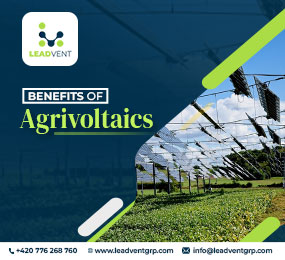
At first glance, growing crops beneath solar panels may seem counterintuitive. Wouldn’t the shade reduce plant growth? But in reality, the collaboration between plants and panels is more symbiotic than competitive. Agrivoltaic systems are designed to elevate solar panels high enough to allow machinery access and sunlight to pass through strategically creating a shared space where both crops and clean energy can thrive.
The Power of Dual Use
For landowners and farmers, agrivoltaics offers a compelling opportunity. Instead of choosing between farming and installing solar panels, they can do both. This dual-use model not only maximizes land productivity but also creates a second stream of income from electricity generation helping stabilize farm revenues in an era of climate unpredictability.
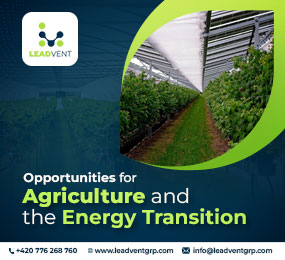
In dry regions, agrivoltaics can help reduce soil evaporation and shield sensitive crops from heat stress. Studies have shown that certain crops, such as leafy greens, herbs, and berries, actually perform better in partial shade. Meanwhile, the cooler ground temperatures beneath the panels can also improve their efficiency, creating a win-win for agriculture and energy alike.
A Path Toward Rural Resilience
One of agrivoltaics’ most exciting prospects is its potential impact on rural communities. In many areas, farmers face increasing costs and unpredictable weather patterns. Agrivoltaics provides a buffer offering energy independence, reduced irrigation needs, and a chance to contribute to local climate goals.
In countries across Europe, Asia, and parts of Africa, pilot projects have demonstrated how agrivoltaics can foster economic empowerment, reduce reliance on fossil fuels, and make agriculture more climate-resilient. It also opens the door to job creation in solar installation, system maintenance, and farm innovation.
Practical Considerations and Challenges
Of course, not every farm or crop is suited to agrivoltaics. Factors like the angle of the panels, crop type, local climate, and irrigation systems must all be considered. There are also upfront costs, land use regulations, and infrastructure barriers that need to be addressed through thoughtful planning and policy support.
Yet, the early results are promising. As technology evolves and awareness grows, more farmers are beginning to explore how agrivoltaics can work for their land not as a replacement, but as a complement to traditional agriculture.
Takeaway Point: Agrivoltaics represents a practical, sustainable solution to two of the world’s biggest challenges: food security and clean energy. By embracing this innovative land-sharing model, we can build a future where farming and solar power grow stronger together.
Learn more on our website: https://www.leadventgrp.com/event/4th-annual-agrivoltaics-europe/register
For more information and group participation, contact us: [email protected]
Leadvent Group - Industry Leading Events for Business Leaders!
www.leadventgrp.com | [email protected]







Comment