

NRMM and Climate: Confronting the Hidden Emissions Challenge
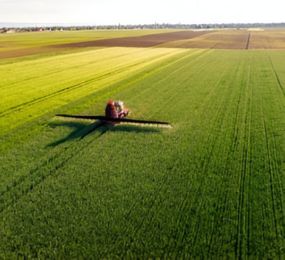
Climate action is often discussed in terms of power plants, road vehicles, and deforestation but a significant and often overlooked contributor lies off the beaten path: Non-Road Mobile Machinery (NRMM). From construction sites to airports, agricultural fields to ports, NRMM plays a vital role in infrastructure, food systems, and logistics. Yet, behind the noise of these machines is a quieter concern their carbon footprint.
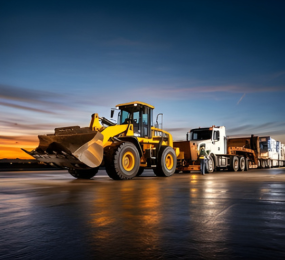
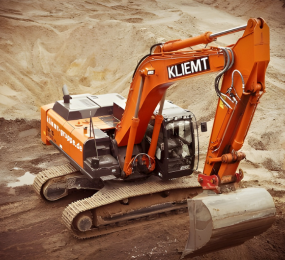
NRMM includes everything from excavators and bulldozers to generators and forklifts. Because they don't operate on public roads, they've historically been left out of mainstream emissions regulations. But times are changing. With the push toward global decarbonization and cleaner cities, NRMM is now in the spotlight.
The Climate Cost of NRMM
These machines typically run on diesel engines that are less efficient and more polluting than those found in modern on-road vehicles. In some urban areas, NRMM contributes as much as 10–15% of total particulate and NOx emissions, directly impacting air quality and public health. Beyond local pollution, their greenhouse gas (GHG) emissions are contributing to the broader climate crisis especially as urban development and mechanized agriculture expand.
Unlike passenger cars, NRMM can have long service lives, with some machines in use for decades. This longevity, while economical for operators, means outdated technology continues to emit high levels of CO? and other harmful pollutants long after cleaner alternatives exist.
The Path Toward Cleaner Machinery
Regulators and industry leaders are beginning to respond. Across Europe, the U.S., and parts of Asia, stricter Stage V and Tier 4 emissions standards are being introduced to force modernization of machinery fleets. In parallel, manufacturers are investing in electric and hybrid machinery, particularly for applications in urban or sensitive environments.
Moreover, retrofit solutions, biofuels, and hydrogen-powered engines are emerging as transitional options offering a cleaner path without requiring a complete overhaul. However, change won’t come from technology alone. It requires clear policy direction, industry cooperation, and education for machinery owners and operators.
Why It Matters Now
Addressing the climate impact of NRMM isn’t just a regulatory issue it’s a matter of responsibility and opportunity. Construction and agricultural sectors are already under pressure to reduce their environmental footprint. By embracing cleaner NRMM technology, these industries can meet sustainability goals, improve worker health and safety, and contribute to national and global emissions targets.
For developing regions, the opportunity is even greater. Rather than adopting outdated technology, there’s a chance to leapfrog into cleaner, more efficient machinery, aligning economic growth with environmental stewardship.
Takeaway Point: Non-Road Mobile Machinery has long been a silent contributor to climate change. Now is the time to act through smarter regulations, cleaner technologies, and industry-wide commitment to bring NRMM in line with global decarbonization efforts.
Learn more on our website: https://www.leadventgrp.com/event/2nd-annual-non-road-mobile-machinery-electrification-and-decarbonization-forum/register
For more information and group participation, contact us: [email protected]
Leadvent Group - Industry Leading Events for Business Leaders!
www.leadventgrp.com | [email protected]










Comment