

Agrivoltaics Pilot Project Case Studies: Lessons from Dual-Use Solar and Agriculture
Agrivoltaics is rapidly gaining attention as an innovative solution that enables food production and renewable energy generation on the same land. As pressure grows to expand clean energy capacity without reducing agricultural output, pilot projects around the world are demonstrating how solar panels and farming activities can successfully coexist.
These early projects provide valuable insights into crop performance, energy production, water management, and economic viability. While agrivoltaics is still an emerging sector, results from pilot programs suggest that dual-use land systems could become an important component of sustainable agriculture and renewable energy development.
Germany: The Heggelbach Agrivoltaics Project
One of the most widely cited agrivoltaics pilot projects is located in Heggelbach, Germany. Developed by the Fraunhofer Institute for Solar Energy Systems, the project was designed to evaluate how elevated solar panels affect agricultural productivity.
The solar modules were installed several meters above the ground, allowing farm machinery and agricultural activities to continue beneath them. Researchers monitored crop yields, solar electricity production, and overall land-use efficiency.
The project demonstrated that combining solar generation with agriculture can significantly improve total land productivity compared to using separate areas for farming and energy production. While crop performance varied depending on the type of crop and seasonal conditions, the overall results highlighted the potential benefits of integrated land use.
France: Vineyard Agrivoltaics
France has become a leader in applying agrivoltaics to vineyards and specialty crops. Several pilot projects have installed adjustable solar structures above grapevines to provide partial shading and climate protection.
The systems help reduce exposure to extreme heat, excessive solar radiation, and water stress. In regions increasingly affected by climate change, controlled shading can improve crop resilience while generating renewable electricity.
Early findings indicate that agrivoltaic systems may help stabilize yields and protect crop quality during periods of extreme weather, offering a practical adaptation strategy for farmers.
Japan: Solar Sharing Initiatives
Japan has been a pioneer in agrivoltaics, often referred to locally as "solar sharing." Due to limited land availability, Japanese farmers have explored ways to combine agriculture with renewable energy generation for more than a decade.
Solar panels are typically elevated above crops, allowing sufficient sunlight to reach plants while producing electricity. Hundreds of small-scale projects have been developed across the country, supporting crops such as vegetables, rice, tea, and fruit.
The Japanese experience demonstrates that agrivoltaics can be implemented across a wide range of agricultural systems while providing farmers with an additional revenue stream.
United States: Research and Demonstration Projects
Agrivoltaic pilot projects are expanding across the United States as universities, energy developers, and agricultural organizations investigate the technology's potential.
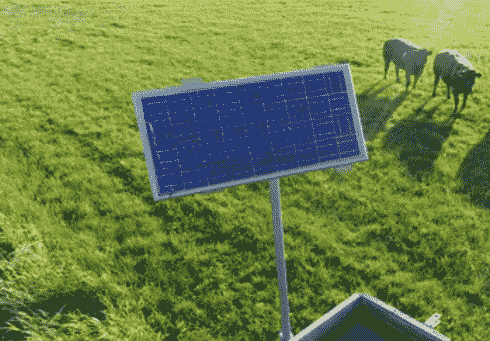
Projects in states such as Arizona, Colorado, Oregon, and Massachusetts are studying how solar installations influence crop growth, water consumption, pollinator habitats, and livestock grazing.
Research in arid regions has shown that partial shading from solar panels can reduce soil moisture loss and lower irrigation requirements for certain crops. These findings are particularly relevant as water scarcity becomes an increasing concern in many agricultural areas.
Italy: Agrivoltaics for Climate Resilience
Italy is actively exploring agrivoltaics as part of its renewable energy and agricultural sustainability strategy. Pilot projects have focused on high-value crops, including olives, grapes, and horticultural products.
By integrating solar structures with farming operations, developers aim to improve energy generation while enhancing protection against heat waves, drought conditions, and other climate-related risks.
Agrivoltaics is increasingly viewed as a tool for strengthening agricultural resilience while supporting national renewable energy targets.
Key Lessons from Agrivoltaics Pilot Projects
Several common themes have emerged from pilot projects worldwide:
Improved Land Productivity
Agrivoltaics enables dual use of land resources by producing food and electricity simultaneously. This can increase overall land-use efficiency compared to conventional single-use systems.
Enhanced Crop Protection
In many cases, solar panels provide beneficial shading that helps reduce heat stress, lower water evaporation, and improve resilience during extreme weather conditions.
Additional Revenue Opportunities
Farmers can diversify income by generating electricity alongside traditional agricultural production. This can improve financial stability and reduce exposure to agricultural market fluctuations.
Site-Specific Design Matters
Successful projects require careful planning. Factors such as crop type, solar panel height, spacing, orientation, and local climate conditions all influence outcomes.
Growing Investor Interest
As governments support renewable energy expansion and sustainable agriculture, agrivoltaics is attracting increasing attention from investors seeking innovative infrastructure opportunities.
The Future of Agrivoltaics
Pilot projects have demonstrated that agrivoltaics can deliver environmental, economic, and operational benefits when properly designed. While challenges remain regarding regulation, project financing, and large-scale deployment, the technology continues to gain momentum globally.
As land-use pressures increase and climate change affects agricultural productivity, agrivoltaics offers a practical solution that addresses both energy and food security needs. The lessons learned from today's pilot projects are helping shape the future of dual-use land management and sustainable development.
Takeaway Point
Agrivoltaics pilot projects in Germany, France, Japan, the United States, and Italy demonstrate that combining solar energy generation with agriculture can improve land-use efficiency, support crop resilience, create additional income streams, and contribute to renewable energy expansion.
For more information and group participation, contact us: [email protected]
Leadvent Group - Industry Leading Events for Business Leaders!
www.leadventgrp.com | [email protected]









Comment