

Agrivoltaics: Where Agriculture Meets Solar Innovation
As climate pressures reshape the way we produce food and energy, a quiet revolution is unfolding in the fields agrivoltaics. This innovative approach combines agriculture and solar power on the same plot of land, proving that energy production and food security don’t have to compete for space.
At first glance, it may seem unusual: rows of crops growing beneath elevated solar panels. But this model is gaining momentum across the globe as farmers, researchers, and policymakers recognize its potential to optimize land use, boost resilience, and promote sustainability in a warming world.
The Concept Behind Agrivoltaics
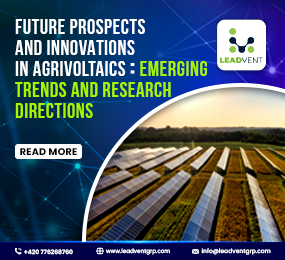
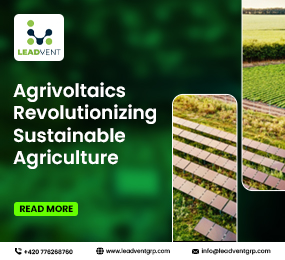
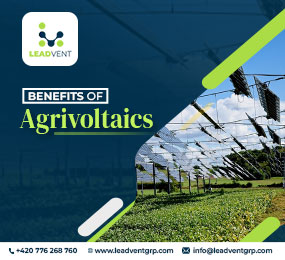
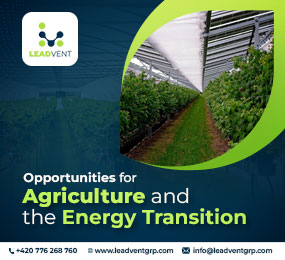
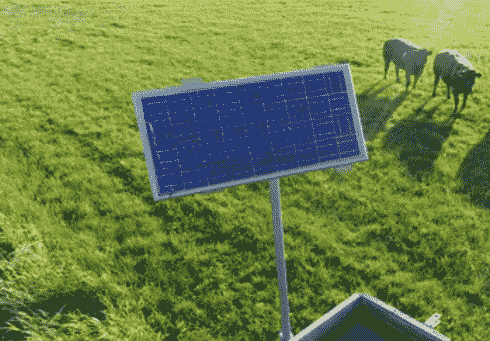
The idea is simple, yet powerful. By installing solar panels high enough above the ground, farmers can grow crops underneath, making it possible to generate clean electricity without removing valuable farmland from production. It’s a land-sharing model rather than a land-competing one.
This dual-use approach brings several benefits. The shade from the panels can protect crops from heat stress, reduce evaporation, and improve soil moisture retention. In return, the crops help keep the panels cool, improving their efficiency. It’s a system where both food and energy thrive together.
Meeting Climate and Economic Challenges
Farmers today face a range of challenges: rising temperatures, erratic rainfall, and mounting pressure to reduce emissions. Agrivoltaics offers a way to adapt to these pressures while creating an additional income stream.
In regions with high solar potential and water scarcity, such as parts of Africa, Southern Europe, and the American Southwest, agrivoltaic systems are being piloted with impressive results. Crops like lettuce, tomatoes, and even grapes have been successfully grown under solar arrays, while the panels continue to feed electricity into the grid or power irrigation systems on-site.
Beyond climate resilience, agrivoltaics can improve farm economics. With land costs rising and energy prices fluctuating, farmers can use solar power to cut electricity bills, sell excess energy, or even partner with energy companies in revenue-sharing models.
Designing Systems That Work
Agrivoltaics isn't one-size-fits-all. Each project must consider local conditions sunlight, crop type, irrigation needs, and energy demand. Successful models involve careful collaboration between farmers, engineers, agronomists, and policymakers.
Design matters. Panels may need to be elevated or spaced differently depending on the crop. The structure must allow access for planting and harvesting, and the energy output must be aligned with the needs of the farm or nearby communities.
Fortunately, research and technology are catching up. Innovations in panel design, tracking systems, and data-driven agriculture are making agrivoltaics more efficient and easier to implement.
Takeaway Point:
Agrivoltaics represents a smart, forward-looking solution to two critical challenges how we grow food and how we generate clean energy. By working with the land, not against it, this model offers a path toward climate-smart farming and a more sustainable future for all.
Learn more on our website: https://www.leadventgrp.com/event/4th-annual-agrivoltaics-europe/register
For more information and group participation, contact us: [email protected]
Leadvent Group - Industry Leading Events for Business Leaders!
www.leadventgrp.com | [email protected]





Comment