

Automotive Functional Safety: Keeping Innovation on the Safe Track
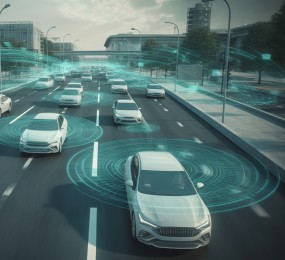
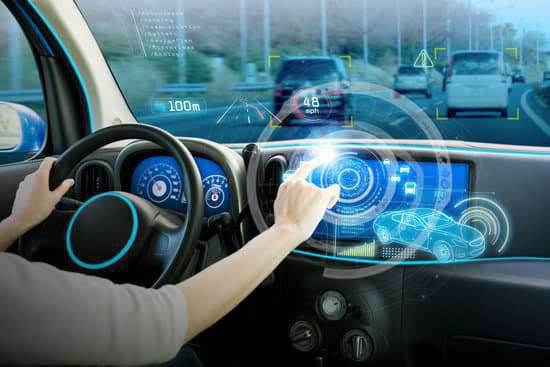
Modern vehicles have become far more than just machines that move people they’re intelligent systems packed with electronics, software, and sensors. From automatic braking and lane assistance to adaptive cruise control and self-parking, today’s cars are constantly making decisions in real-time. In this rapidly evolving landscape, one principle stands above the rest: functional safety.
Automotive functional safety ensures that a vehicle’s systems operate as intended even when something goes wrong. It’s not just about avoiding failure, but about designing systems that remain safe in the event of failure. When human lives are involved, every detail matters.
What Is Functional Safety in Vehicles?
At its core, functional safety refers to how well a vehicle can respond safely to internal faults or external conditions. It's governed by the international standard ISO 26262, which outlines how safety-related components should be designed, tested, and managed throughout a vehicle's life cycle.
Consider this: What happens if a brake sensor malfunctions? Or if the steering system receives conflicting data? Functional safety makes sure that in these critical moments, the system either corrects the fault, warns the driver, or safely shuts down preventing an accident instead of causing one.
The Need for Safety in Smarter Vehicles
As vehicles become more autonomous, the driver’s role is gradually being reduced or removed altogether. This places even more responsibility on the systems controlling the car. If a driver isn’t steering or braking, the technology must act not only efficiently but safely and predictably in all situations.
This is why functional safety is at the heart of innovation in electric and autonomous vehicles. Whether it’s the electronic control unit of an EV or the decision-making algorithm of a self-driving car, every function that could affect safety must be analyzed, tested, and proven reliable under real-world conditions.
Building Trust Through Safety
Automotive manufacturers now see functional safety not just as a technical requirement, but as a way to earn public trust. Consumers are more aware than ever about how much technology is in their cars, and they want to know it's reliable.
To meet these expectations, engineers use rigorous safety assessments such as Hazard Analysis and Risk Assessment (HARA), Failure Mode and Effects Analysis (FMEA), and develop backup mechanisms to ensure redundancy where it’s needed
most. These tools help identify where systems could fail and what needs to be in place to ensure people remain safe.
The Road Ahead
Functional safety is not a destination; it’s an ongoing commitment. As vehicles become more connected and software-driven, manufacturers will need to constantly evolve their safety frameworks. From cybersecurity to machine learning integration, the future of safe mobility depends on keeping function and safety in lockstep.
Takeaway Point:
In a world where vehicles are becoming more automated and connected, functional safety isn’t just a box to check it’s the foundation for trust, reliability, and the future of safe mobility.
Learn more on our website: https://www.leadventgrp.com/event/3rd-annual-automotive-functional-safety-forum/register
For more information and group participation, contact us: [email protected]
Leadvent Group - Industry Leading Events for Business Leaders!
www.leadventgrp.com | [email protected]








Comment
KeithGaG
December 10, 2025
<a href=https://drivelity.com/de>mietwagen dubai flughafen</a>
MichaelAlura
October 07, 2025
<a href=https://drivelity.com/car-rental-ajman-uae>car hire ajman</a>
avenue17
September 14, 2025
I agree with told all above. Let's discuss this question.
Michaelutist
August 23, 2025
https://share.evernote.com/note/2a0d064e-d644-c9f5-d4fb-3a80ed3aed68
PierreHow
August 03, 2025
https://www.flickr.com/people/203144767@N05/
DavidEvaph
July 31, 2025
<a href=https://eurosegeln.com>boot mieten ohne f??hrerschein</a>
ThomasQuivy
July 25, 2025
https://the.hosting/en/vps-vds-tunis