

Africa’s ESG and Climate Shift: Building a Resilient and Responsible Future
Across Africa, the effects of climate change are no longer predictions they are daily realities. Droughts disrupt food production, floods displace communities, and rising temperatures threaten ecosystems and economies alike. Yet amid these challenges, a transformation is quietly taking shape: Africa is leaning into ESG Environmental, Social, and Governance principles as a roadmap for sustainable development.
This shift isn’t about following a trend. For Africa, ESG is deeply connected to the urgent need to protect its environment, uplift its people, and strengthen its institutions all while attracting investment and building climate resilience.
Why ESG Matters in the African Context
Africa contributes less than 4% of global greenhouse gas emissions, yet it bears a disproportionate share of the climate burden. Despite this imbalance, the continent is not just reacting it’s beginning to lead.
Governments, businesses, and communities are weaving ESG values into the fabric of their operations. From clean energy initiatives and inclusive agriculture to improved governance practices and responsible mining, ESG is becoming a framework for solving real, everyday problems while preparing for long-term sustainability.
In places like Kenya, Morocco, and South Africa, solar and wind farms are not only reducing emissions they’re creating jobs and powering schools and clinics. In Nigeria and Ghana, fintech companies are offering climate-smart finance options tailored for smallholder farmers and women entrepreneurs. These are examples of ESG in action: local, meaningful, and impact-driven.
Environmental Stewardship With Local Solutions
Africa is rich in natural resources and biodiversity, and protecting these assets is critical to its future. Reforestation projects, land restoration, and climate-smart farming practices are being scaled up across the continent. These efforts don’t just absorb carbon they protect livelihoods.
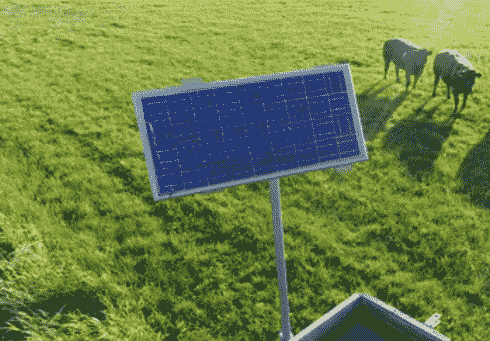
Energy access is another key pillar. Millions of Africans still lack reliable electricity, and ESG-focused investments in decentralized, renewable systems are changing that. These solutions reduce dependency on diesel and charcoal while bringing sustainable power to underserved communities.
Social and Governance: Two Sides of the Same Coin
The “S” and “G” in ESG are just as vital. Sustainable progress depends on empowering people especially youth and women and on institutions that are
transparent, fair, and accountable. Education, healthcare, gender equity, and anti-corruption efforts are central to Africa’s development model.
Financial institutions, governments, and global investors are beginning to align with these priorities. ESG reporting is becoming more common, and environmental and social safeguards are increasingly tied to funding decisions.
But for ESG to truly work in Africa, it must reflect African realities not imported checklists. It must support informal economies, recognize indigenous knowledge, and put communities not just carbon at the center of the conversation.
Takeaway Point:
Africa’s ESG journey is about more than climate it’s about building a future rooted in equity, resilience, and locally driven progress. With the right investment and leadership, ESG can unlock sustainable solutions that are made for Africa, by Africa.
Learn more on our website: https://www.leadventgrp.com/event/esg-and-climate-africa-summit/register
For more information and group participation, contact us: [email protected]
Leadvent Group - Industry Leading Events for Business Leaders!
www.leadventgrp.com | [email protected]











Comment