

Decarbonizing Non-Road Machinery: The Next Frontier in Climate Action
When conversations about decarbonization come up, we often think of electric cars, solar panels, or wind farms. But there’s a quieter, less obvious contributor to global emissions that’s finally stepping into the spotlight: non-road mobile machinery (NRMM).
From construction equipment and agricultural tractors to mining trucks and port cranes, non-road machinery powers much of the world’s heavy-duty work. Yet these machines, most of them diesel-fueled, are responsible for a significant share of particulate matter and CO? emissions particularly in urban and industrial areas. As global attention turns to full-spectrum decarbonization, tackling emissions from these sectors is no longer optional. It’s essential.
The Hidden Emissions Behind the Machines
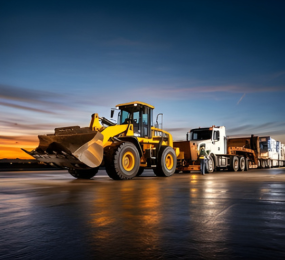
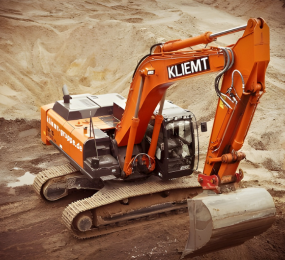
Non-road machinery doesn't move on our highways, but it plays a huge role behind the scenes. Bulldozers, harvesters, excavators, and forklifts are integral to building infrastructure, growing food, and managing resources. However, most of these machines were built for performance, not environmental responsibility.
Because they often operate in remote or off-grid areas, NRMM has historically been left out of mainstream emissions policy. As a result, many machines continue to rely on outdated engines with minimal environmental regulation especially in developing economies.
But this is starting to change.
Cleaner Technology, Smarter Thinking
Manufacturers are now investing in cleaner alternatives electric-powered excavators, hybrid loaders, biofuel-compatible engines, and even hydrogen-fueled heavy equipment. While electric vehicles dominate the consumer market, similar principles are being applied to off-highway machines.
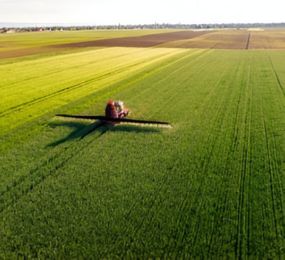
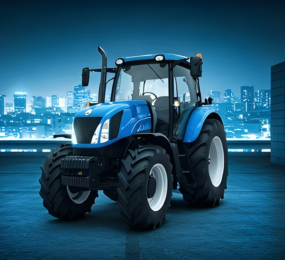
In the construction sector, for example, fully electric compact excavators are gaining ground, offering lower noise, zero tailpipe emissions, and lower total cost of ownership. Agriculture is also seeing shifts, with pilot programs testing autonomous electric tractors that reduce both emissions and labor dependency.
Meanwhile, large fleet operators especially in mining and port logistics are turning to hybrid and alternative fuel solutions to meet internal climate targets and comply with emerging regulations.
The Role of Policy and Incentives
Decarbonizing NRMM won't happen on technology alone. Governments are beginning to recognize the need for supportive regulation. In the EU, the Stage V emissions standards have raised the bar for new engines. In cities like London and Oslo, construction site emissions are now under stricter scrutiny, pushing contractors to adopt low-emission equipment.
Public procurement is also playing a role. Infrastructure projects now increasingly include sustainability criteria, incentivizing contractors to use greener machinery.
However, the transition is still uneven. High upfront costs, limited access to charging or fueling infrastructure, and a lack of awareness remain real barriers especially for smaller businesses.
Looking Ahead
The path to decarbonizing non-road machinery won’t be quick or simple, but the progress is real. Partnerships between governments, manufacturers, and operators will be essential to drive innovation, scale adoption, and ensure the benefits are felt across industries and regions.
Takeaway Point: Non-road decarbonization is a critical yet overlooked piece of the climate puzzle. With the right mix of innovation, policy support, and collaboration, this sector can shift from being a hidden polluter to a cornerstone of sustainable progress.
Learn more on our website: https://www.leadventgrp.com/event/2nd-annual-non-road-mobile-machinery-electrification-and-decarbonization-forum/register
For more information and group participation, contact us: [email protected]
Leadvent Group - Industry Leading Events for Business Leaders!
www.leadventgrp.com | [email protected]







Comment