

Building a Safer Future on the Road
Over the decades, the automobile has transformed from a symbol of freedom into a vital component of modern life. But as vehicles became faster and more complex, safety quickly rose to the forefront of innovation. Today, automotive safety is not just about seatbelts and airbags, it’s about intelligent systems, data-driven design, and a human-centered approach that places life protection above all else.
The progress in safety technologies is one of the most remarkable achievements in the automotive industry. From the introduction of anti-lock braking systems (ABS) to modern autonomous emergency braking (AEB), these innovations have saved millions of lives globally. Yet, the mission continues as the industry embraces electrification, automation, and digitalization all requiring a renewed focus on how safety is designed, tested, and implemented.
A New Era of Intelligent Safety
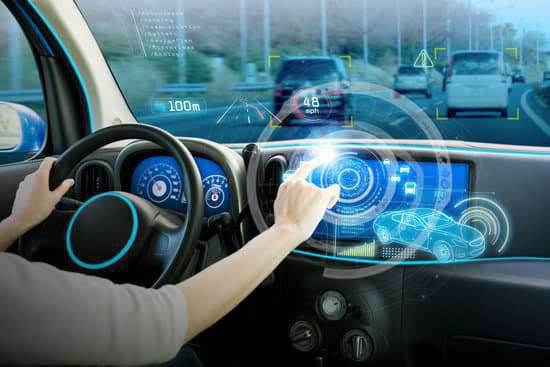
Modern vehicles are equipped with an array of sensors, cameras, and processors that constantly monitor the environment. Advanced Driver Assistance Systems (ADAS) such as adaptive cruise control, lane-keeping assist, and collision avoidance are creating a bridge between human control and automation. These systems don’t just react to accidents; they prevent them.
Beyond hardware, software now plays a central role in ensuring safety. Functional safety standards, like ISO 26262, set rigorous requirements for the design and verification of vehicle electronics. Every line of code that powers a braking system or steering control is meticulously tested to ensure it performs flawlessly in real-world conditions.
Electric and autonomous vehicles are also reshaping the safety conversation. Their unique architectures demand new testing methods for battery safety, sensor reliability, and cybersecurity ensuring that technology enhances protection without introducing new risks.
Human Factors: The Heart of Safety
While technology continues to advance, the human element remains vital. Road safety isn’t only a matter of engineering; it’s about understanding how drivers interact with their vehicles. Training, awareness, and responsible behavior are as essential as any technological safeguard. Automakers and regulators are working together to build safety cultures that prioritize driver education alongside innovation.
Regulatory frameworks are evolving to match these advances, emphasizing not only crashworthiness but also preventive measures. The focus has shifted from surviving collisions to avoiding them altogether a shift that reflects a deeper understanding of safety as a holistic system.
Takeaway:
Automotive safety stands as one of humanity’s greatest technological success stories a field where engineering precision meets ethical responsibility. As vehicles become smarter and more autonomous, safety will continue to evolve beyond hardware and software to encompass a connected ecosystem of drivers, infrastructure, and data.
The future of automotive safety is not just about protecting passengers, it’s about creating a world where every journey is secure, sustainable, and guided by innovation that puts people first.
Learn more on our website: https://www.leadventgrp.com/event/3rd-annual-automotive-functional-safety-forum/register
For more information and group participation, contact us: [email protected]
Leadvent Group - Industry Leading Events for Business Leaders!
www.leadventgrp.com | [email protected]













Comment