

Hydrogen in Central and Eastern Europe: Powering a Sustainable Transition
Central and Eastern Europe (CEE) is entering a new chapter in its energy story one powered by hydrogen. As the region works to reduce its reliance on fossil fuels and align with the European Union’s ambitious climate targets, hydrogen has emerged as a key pillar of the energy transition. For CEE nations, this shift represents more than an environmental strategy; it is a pathway to energy security, industrial modernization, and regional competitiveness.
Over the past decade, Europe has placed hydrogen at the heart of its decarbonization agenda, with the CEE region now stepping up to align innovation with opportunity. Countries such as Poland, the Czech Republic, Hungary, Romania, and Slovakia are developing hydrogen roadmaps that not only focus on clean energy generation but also on transforming transport, manufacturing, and heavy industry.
Building the Hydrogen Value Chain
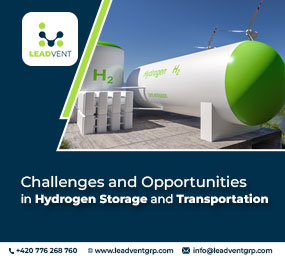
Hydrogen’s potential lies in its versatility. It can fuel vehicles, store renewable energy, and serve as a clean feedstock for industries such as steel and chemicals sectors that have traditionally been difficult to decarbonize. In CEE, governments and private stakeholders are investing in infrastructure that supports the full hydrogen value chain, from production and transport to storage and application.
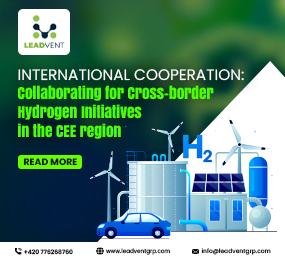
Poland, for example, is positioning itself as a hydrogen leader with pilot projects aimed at developing hydrogen-powered trains and public transport fleets. The Czech Republic is exploring hydrogen corridors for mobility, while Hungary and Slovakia are focusing on green hydrogen derived from renewable sources such as solar and wind. These efforts are reinforced by cross-border collaborations and EU-backed initiatives that aim to integrate CEE hydrogen networks with the broader European energy system.
Challenges and Opportunities
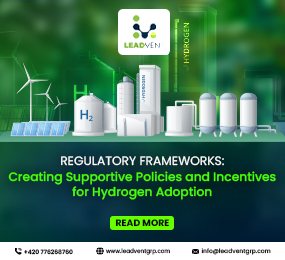
While momentum is building, the hydrogen journey in CEE is not without its hurdles. Infrastructure remains limited, investment costs are high, and the regulatory landscape is still evolving. However, these challenges are being met with growing commitment from both the public and private sectors.
The EU’s Green Deal and Hydrogen Strategy provide financial and policy support that can help accelerate adoption. Moreover, as renewable energy capacity expands in
the region, CEE countries have an opportunity to produce green hydrogen at competitive costs turning sustainability into an economic advantage.
The region’s industrial base, engineering expertise, and strategic location between Western Europe and emerging markets also position it well to become a key hydrogen hub in the coming decades.
Takeaway:
Hydrogen is no longer just a concept for the future, it’s becoming a cornerstone of Central and Eastern Europe’s path toward decarbonization and energy independence. With clear policy direction, infrastructure investment, and regional cooperation, CEE can transform hydrogen from a promising technology into a driver of sustainable industrial growth. The next decade will determine how successfully the region converts this potential into real progress shaping not just its energy mix, but its economic resilience for generations to come.
Learn more on our website: https://www.leadventgrp.com/event/10th-edition-cee-hydrogen-summit/register
For more information and group participation, contact us: [email protected]
Leadvent Group - Industry Leading Events for Business Leaders!
www.leadventgrp.com | [email protected]







Comment