

CEE Hydrogen: Building a Regional Pathway to a Low-Carbon Economy
Across Central and Eastern Europe (CEE), the energy transition is no longer a distant policy goal. It is becoming a practical conversation about energy security, industrial competitiveness, and long-term resilience. Within this context, hydrogen is emerging as a strategic option that can support decarbonization while strengthening regional energy systems.
CEE countries share a unique energy profile. Many rely heavily on fossil fuels, particularly coal and natural gas, while also hosting energy-intensive industries such as steel, chemicals, refining, and heavy transport. These sectors are difficult to electrify fully, which is where hydrogen offers real value. When produced using renewable electricity or low-carbon processes, hydrogen can reduce emissions without disrupting industrial output.
One of the region’s advantages lies in its existing infrastructure. Extensive gas networks, industrial clusters, and cross-border connections provide a foundation for hydrogen blending, transport, and eventual dedicated hydrogen pipelines. Repurposing parts of this infrastructure can lower transition costs and accelerate early adoption. At the same time, CEE’s growing renewable capacity, particularly in wind and solar, creates the conditions needed for green hydrogen production over the medium term.
Hydrogen’s role in CEE is not limited to industry. It also presents opportunities in transport, especially for long-haul freight, rail, and maritime corridors where batteries may fall short. Several countries in the region are already exploring hydrogen refueling hubs linked to major logistics routes. These initiatives reflect a practical understanding of hydrogen as a targeted solution rather than a universal replacement for other energy carriers.
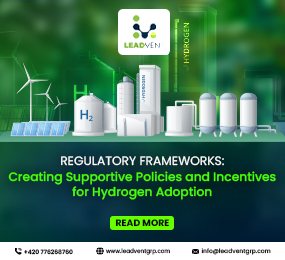
Policy alignment remains a critical factor. European climate frameworks provide direction, but national strategies will determine how quickly hydrogen projects move from planning to execution. Clear regulatory signals, predictable funding mechanisms, and cooperation between governments and industry are essential. In CEE, where investment confidence can vary, long-term clarity matters as much as technical feasibility.
Equally important is skills development. Hydrogen technologies require expertise in engineering, safety, operations, and digital monitoring. Building local capability ensures that hydrogen projects deliver economic benefits beyond emissions reduction. Universities, research centers, and industrial partners all have a role to play in shaping a workforce ready for this transition.
Challenges remain. Hydrogen production costs are still high, and renewable power availability varies across the region. Grid constraints, permitting timelines, and financing structures can slow progress. However, these challenges are not unique to CEE. What distinguishes the region is the opportunity to integrate hydrogen into its energy transition from an early stage, learning from experiences elsewhere while tailoring solutions to local needs.
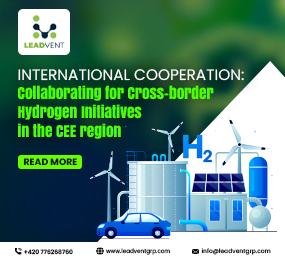
CEE hydrogen development is best understood as a gradual, strategic process. It will start with focused applications, scale through regional cooperation, and mature as technology costs decline. Rather than a sudden transformation, it represents a steady shift toward cleaner, more flexible energy systems.
As Europe moves toward climate neutrality, Central and Eastern Europe has the chance to position itself not only as a participant, but as a contributor to the hydrogen economy balancing decarbonization with growth, stability, and regional collaboration.
Takeaway Point
Hydrogen offers Central and Eastern Europe a practical pathway to decarbonize hard-to-abate sectors while strengthening energy security, using existing infrastructure and regional cooperation as key enablers.
Learn more on our website: https://www.leadventgrp.com/event/10th-edition-cee-hydrogen-summit/register
For more information and group participation, contact us: [email protected]
Leadvent Group - Industry Leading Events for Business Leaders!
www.leadventgrp.com | [email protected]







Comment