

Climate Change in Africa: Challenges and Opportunities for a Resilient Future
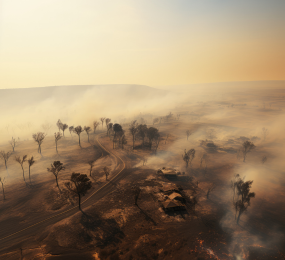
Africa stands at the frontline of climate change. While the continent contributes the least to global greenhouse gas emissions, it bears some of the heaviest burdens of a changing climate. From prolonged droughts in the Horn of Africa to devastating floods in West Africa and rising temperatures across the Sahel, the impacts are clear and immediate. Climate change in Africa is no longer a distant concern, it is a reality that affects livelihoods, economies, and ecosystems every day.
The Weight of Vulnerability
One of the striking challenges for Africa is its high vulnerability. Agriculture, which employs over 60% of the population, is heavily dependent on rainfall. Changes in weather patterns threaten food production, leaving millions at risk of hunger and economic instability. In coastal cities like Lagos, Dar es Salaam, and Alexandria, rising sea levels are already causing erosion, flooding, and displacement, adding new layers of social and economic stress.
The Human Impact
Beyond the environmental effects, climate change intensifies existing inequalities. Communities with limited infrastructure, healthcare, and financial resources are less able to adapt. Women and children, in particular, face greater risks as they are often more reliant on natural resources for survival. For many African families, climate change is not just an environmental issue, it is a daily struggle to secure water, food, and health.
Opportunities in the Crisis
Despite these challenges, Africa also holds immense potential to lead in climate resilience and innovation. The continent is rich in renewable energy resources, from abundant sunshine for solar power to vast wind and hydro opportunities. Investment in clean energy can reduce reliance on fossil fuels while creating jobs and improving energy access. Similarly, climate-smart agriculture, such as drought-resistant crops and water-efficient irrigation, offers pathways to safeguard food security.
The Role of Policy and Partnerships
Addressing climate change in Africa requires strong policies, regional cooperation, and global support. Initiatives like the African Union’s Agenda 2063 and the African Development Bank’s “Desert to Power” project demonstrate growing commitment to tackling the crisis. However, international financing and technology transfer remain critical. Africa needs not just pledges but real investments that empower local communities and governments to adapt and thrive.
Building a Resilient Future
Climate change is testing Africa’s resilience, but it is also sparking innovation and determination. By integrating sustainability into economic growth, fostering renewable energy projects, and empowering communities, Africa can turn its climate vulnerabilities into opportunities for transformation. The road ahead is not without challenges, but with the right strategies, Africa can build a future that is not only resilient but also sustainable and inclusive.
Takeaway Point: Climate change poses serious risks to Africa’s people and economies, but it also presents opportunities for innovation and growth. By investing in renewable energy, climate-smart agriculture, and strong policies, Africa can turn vulnerability into resilience and lead the way in shaping a sustainable future.
Learn more on our website: https://www.leadventgrp.com/event/esg-and-climate-africa-summit/register
For more information and group participation, contact us: [email protected]
Leadvent Group - Industry Leading Events for Business Leaders!
www.leadventgrp.com | [email protected]














Comment