

The Hidden Challenges of Submarine Cable Installation
Submarine cable projects rarely fail because of poor cable design. They fail because of what happens during installation, when theory meets an unpredictable seabed and a tight vessel schedule. This is the part of the project engineers worry about most, yet it gets the least public attention outside the industry. From lay tension to vessel shortages, each stage carries its own risk of costly delay. Understanding these challenges is the first step toward avoiding them.
The Cable Faces Stress Before It Touches the Seabed
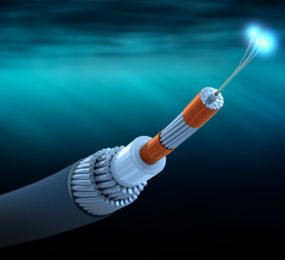
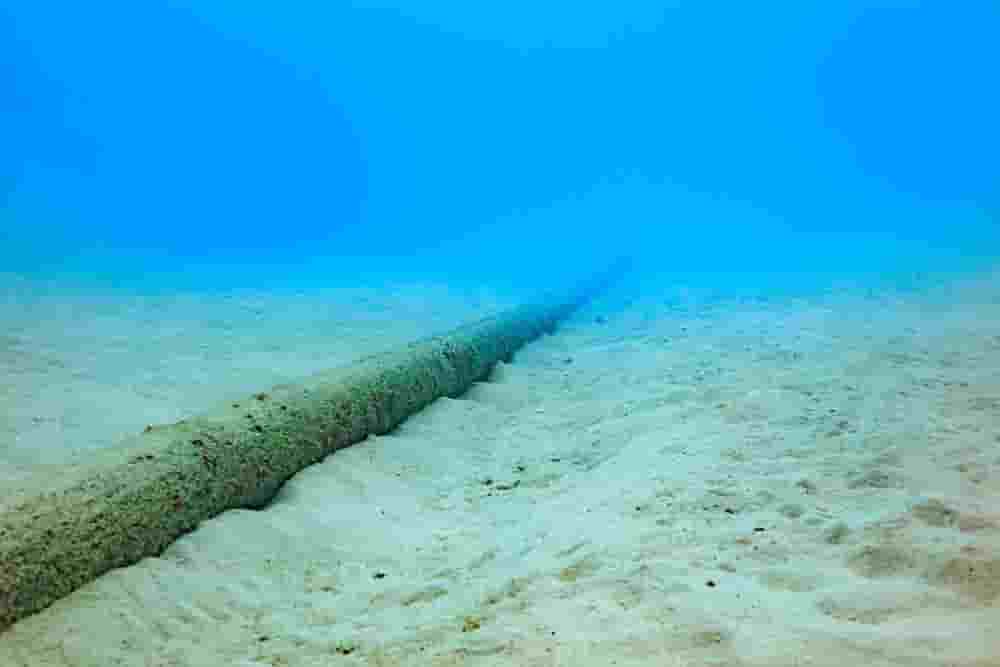
Submarine power cable installation starts with a simple problem: gravity. As the cable descends from the laying vessel, it hangs under its own weight across kilometres of open water. Engineers must calculate the exact tension it can withstand.
Too much tension stretches or snaps the cable. Too little slack causes kinking. Teams model lay tension and catenary curves for weeks before installation begins, running simulations across different weather and current scenarios. One miscalculation here can turn a multi-million-pound asset into scrap before it reaches the ocean floor.
The Seabed Rarely Matches the Survey
Route planners use desktop studies and geotechnical surveys to map the seabed in advance. Conditions on paper often differ from conditions in the water. Crews commonly face:
- Soft sediment that swallows burial ploughs
- Rocky outcrops that damage equipment
- Migrating sandbanks that shift the route
- Unexploded ordnance or shipwrecks that force rerouting
When this happens, teams switch burial methods mid-project, moving between jetting, ploughing, or post-lay trenching. This flexibility adds cost and time most schedules don't originally account for. Contingency planning has become a core part of route design rather than an afterthought, with contractors now building alternative burial strategies into contracts before work even starts.
Installation Moves Slower Than Most People Expect
Power cables cannot be laid quickly, unlike telecom cables. Burial must happen alongside the lay, not after it. Vessels often move at well under a kilometer per hour.
This slow pace extends the window of exposure. Storms, stray anchors, and fishing trawlers can all damage a cable before burial finishes. Weather windows narrow further in exposed or seasonal waters, forcing crews to pause and resume operations. Every extra week on site adds cost and risk together.
Vessel Availability Has Become a Serious Bottleneck
The offshore wind boom and the rise of electricity interconnector projects have created a problem few predicted a decade ago. There aren't enough specialized cable-laying vessels to meet demand.
These vessels need carousels, tensioning systems, and dynamic positioning for open water. Few shipyards build them, and the waiting list keeps growing. Developers now treat vessel availability as seriously as permitting or financing, often booking capacity years in advance to secure a slot in an already crowded schedule.
New Routes Must Navigate What's Already There
Cable routes rarely get a clean slate. Planners must work around existing pipelines, decommissioned infrastructure, protected marine habitats, and active fishing or shipping lanes. Each crossing point often needs separate regulatory approval, so route planning becomes as much a negotiation exercise as an engineering one, and delays here can push a project back by months. Environmental assessments add another layer, particularly in waters shared by multiple jurisdictions.
HVDC Projects Bring an Extra Layer of Complexity
As projects push further offshore, more developers turn to HVDC transmission to cut electrical losses. This shift brings its own installation demands.
HVDC cables run heavier than standard AC cables. They are more sensitive to lay tension, and their joints require tighter tolerances. Every added kilometer of HVDC route adds complexity to planning, jointing, and offshore testing, especially as interconnectors stretch across deeper and longer stretches of water.
Where the Industry Compares Notes
No single company solves these challenges alone. Progress depends on coordinated survey work, burial engineering, vessel scheduling, and close cooperation between contractors and regulators. That kind of progress happens best in conversation, not in isolation, which is exactly what a submarine cable event like the 6th Annual Submarine Power Cable and Interconnection Forum delivers.
The forum runs on 18th–19th November 2026 in London, in a hybrid format open to in-person and remote delegates. It covers the full lifecycle of subsea cable systems, from route engineering and installation through to protection and repair, and it draws the following:
- Project directors planning new cable routes
- Engineers refining burial and risk strategy
- Procurement teams navigating vessel constraints
- Regulators and policymakers shaping interconnector strategy
Sessions include real installation case studies and direct access to the contractors solving these problems today. Leadvent Group organizes the event and has built a reputation for forums where senior professionals trade real project experience instead of sales pitches. Now in its sixth year, it has become a fixture for anyone serious about subsea power transmission.
Seats at this forum fill quickly given the caliber of attendees it draws each year. If your project's success depends on what happens beneath the waves, secure your place at the 6th Annual Submarine Power Cable and Interconnection Forum today and connect directly with the people shaping the industry's next chapter.
Frequently Asked Questions (FAQs)
- Why is submarine power cable installation slower than laying telecom cables?
Power cables need burial protection as they are laid, not afterward. Burial tools limit the pace, often to under a kilometre per hour.
- What causes most submarine cable damage during installation?
Excessive lay tension and unexpected seabed conditions cause most damage, with rock formations and shifting sediment as common culprits.
- Why is there a shortage of cable-laying vessels?
Demand from offshore wind and interconnector projects has grown faster than the specialized vessel fleet, creating scheduling bottlenecks industry-wide.
- How does HVDC affect installation compared to standard AC cables?
HVDC cables are heavier and more sensitive to laying tension, and their joints demand tighter precision during offshore installation.




Comment