

Software-Defined Vehicles Are Reshaping Functional Safety: What Every Automotive Engineer Should Know
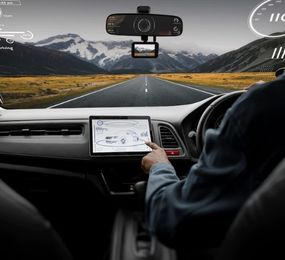
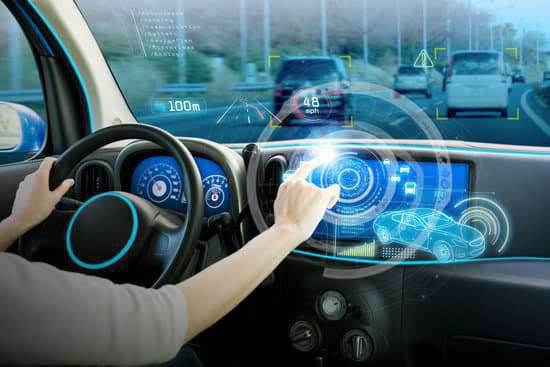
The automotive industry is undergoing one of its most significant transformations with the rise of Software-Defined Vehicles (SDVs). Unlike traditional vehicles, where functionality is largely determined by hardware, SDVs rely on software to control and continuously enhance vehicle performance through over-the-air (OTA) updates, artificial intelligence (AI), and cloud connectivity.
This shift is changing not only how vehicles are designed but also how manufacturers approach functional safety.
Why Software-Defined Vehicles Matter
Software-defined vehicles integrate advanced driver assistance systems (ADAS), AI-powered decision-making, autonomous driving features, and connected services into a centralized software architecture. These capabilities allow manufacturers to introduce new features, improve performance, and address issues remotely without requiring physical modifications.
While this flexibility accelerates innovation, it also increases system complexity, making safety assurance more challenging than ever before.
Functional Safety Is Evolving
Traditional functional safety focuses on preventing hazards caused by electrical or electronic system failures. As software becomes the primary driver of vehicle functionality, engineers must also account for software defects, AI behaviour, system integration, and continuous software updates.
Standards such as ISO 26262 remain the foundation for managing functional safety throughout a vehicle's lifecycle. However, engineers are increasingly combining it with ISO/PAS 21448 (Safety of the Intended Functionality – SOTIF) to address risks associated with AI-enabled systems that may operate as designed but encounter unexpected real-world situations.
Emerging Challenges for Automotive Engineers
Developing safe software-defined vehicles requires manufacturers to address several evolving challenges:
· Managing increasingly complex software architectures.
· Validating AI-driven decision-making systems.
· Ensuring the safety of over-the-air software updates.
· Integrating cybersecurity into safety engineering.
· Maintaining compliance throughout the vehicle's operational life.
As vehicles become more connected, functional safety can no longer be treated as a one-time engineering milestone. It requires continuous monitoring, testing, and validation.
Collaboration Is Driving Safer Innovation
Meeting these challenges requires close collaboration between software developers, hardware engineers, safety specialists, cybersecurity teams, regulators, and automotive suppliers. The industry is increasingly adopting model-based engineering, digital twins, automated testing, and simulation technologies to validate vehicle performance before deployment.
This collaborative approach helps manufacturers deliver innovative mobility solutions while maintaining high safety standards.
Looking Ahead
Software-defined vehicles are expected to become the standard for next-generation mobility. As AI, automation, and connectivity continue to evolve, functional safety will play an even greater role in ensuring these technologies remain reliable, secure, and trustworthy.
For automotive engineers, staying ahead means embracing new safety methodologies, understanding emerging standards, and adapting to an increasingly software-centric development environment.
Join the Conversation at the 4th Annual Automotive Functional Safety Forum
The 4th Annual Automotive Functional Safety Forum brings together OEMs, Tier 1 suppliers, software developers, functional safety engineers, cybersecurity experts, and industry leaders to discuss the latest developments in ISO 26262, SOTIF, software-defined vehicles, AI-enabled mobility, and automotive safety engineering.
Join experts from across the automotive value chain to exchange insights, explore practical solutions, and help shape the future of safe, intelligent mobility.
For more information and group participation, contact us: [email protected]
Leadvent Group - Industry Leading Events for Business Leaders!










Comment