

Deep Sea Connections: Environmental Considerations in Submarine Cable Projects
Submarine cables are the invisible backbone of the global digital economy and the transition to offshore renewable energy. While these cables are generally considered to have a lower environmental footprint than alternative infrastructure, their installation and long-term presence in the marine environment require rigorous ecological planning and mitigation.
Ecosystem Disruption and Habitat Protection
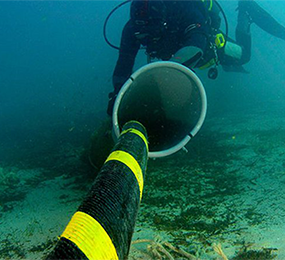
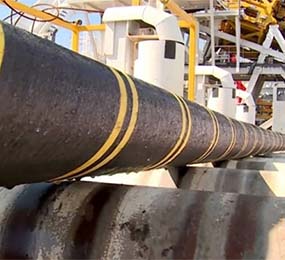
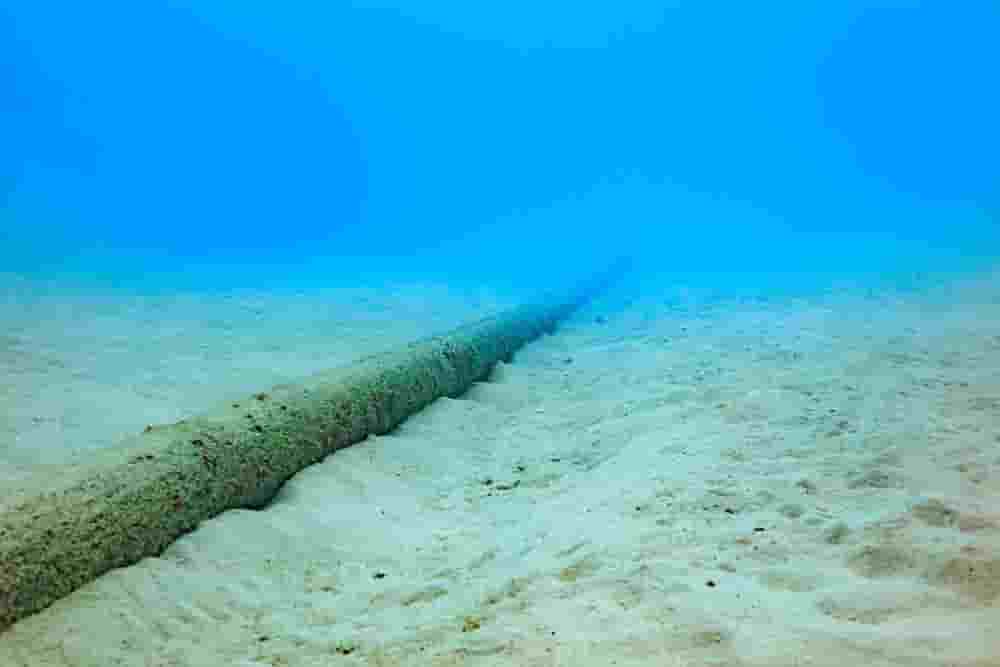
The most immediate environmental concern occurs during the installation phase. Cable laying involves "plowing" or jetting the seabed to bury cables for protection against anchors and fishing gear. This process can cause localized turbidity—disturbing sediments and potentially burying sessile organisms like corals or seagrasses. To mitigate this, developers conduct extensive Marine Route Surveys (MRS) to identify and avoid sensitive habitats, such as hydrothermal vents, cold-water coral reefs, and protected marine areas.
Marine Life and Electromagnetic Fields (EMF)
For submarine power cables (particularly High Voltage Direct Current or HVDC lines), the emission of electromagnetic fields is a key consideration. Some marine species, including sharks, rays, and certain migratory fish, use electro-reception or magneto-reception for navigation and hunting. While fiber-optic telecommunications cables have negligible emissions, power cables are often heavily shielded and buried deep within the seabed to minimize EMF exposure and prevent behavioral changes in sensitive species.
Acoustic Impacts and Chemical Inertia
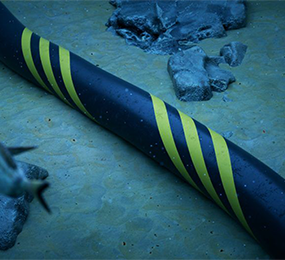
The noise generated by cable-laying vessels and DP (Dynamic Positioning) systems can interfere with the communication and echolocation of marine mammals. Modern projects often employ "soft start" procedures and acoustic monitoring to ensure cetaceans are not in the vicinity during loud operations. Fortunately, modern cables are designed to be chemically inert, using polyethylene and galvanized steel armoring that does not leach toxins into the water column.
In conclusion, while submarine cables are essential infrastructure, their success depends on a "precautionary principle" approach. By combining advanced seafloor mapping with strict adherence to environmental recovery protocols, the industry can ensure that global connectivity does not come at the cost of marine biodiversity.
Visit our website to know more: https://www.leadventgrp.com/events/5th-annual-submarine-power-cable-and-interconnection-forum/details
For more information and group participation, contact us: [email protected]
Leadvent Group - Industry Leading Events for Business Leaders!




Comment