

Agrivoltaics: Solving the Water-Energy-Food Nexus in Arid Europe
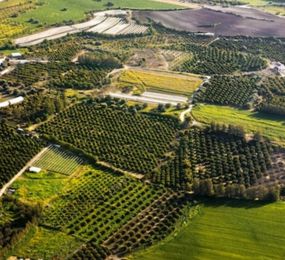
As climate change intensifies, the dry regions of Southern Europe—from the Iberian Peninsula to the Greek islands—face a dual crisis: dwindling water supplies and rising temperatures. In response, Agrivoltaics (the dual-use of land for solar energy and agriculture) is emerging as a transformative strategy for water conservation and rural resilience.
The Shielding Effect
The primary mechanism by which agrivoltaics conserves water is through the "shading effect." By suspending semi-transparent solar panels above crops, farmers can reduce the amount of direct solar radiation hitting the soil and foliage. This reduction in heat significantly lowers evapotranspiration rates—the process by which water is lost from both the soil and the plants. Studies in Mediterranean climates have shown that agrivoltaic systems can reduce agricultural water demand by up to 20-30%, allowing farmers to maintain yields even during periods of water restriction.
Microclimate Optimization
Beyond simple shading, solar arrays create a stabilized microclimate. During the scorching midday sun, the panels act as a thermal buffer, preventing the "heat stress" that causes many crops to shut down their metabolic processes. Conversely, at night, the panels can trap a small amount of rising heat, protecting against late-spring frosts. This regulated environment not only saves water but often results in higher quality produce, particularly for shade-tolerant crops like leafy greens, berries, and certain viticulture varieties.
Smart Integration
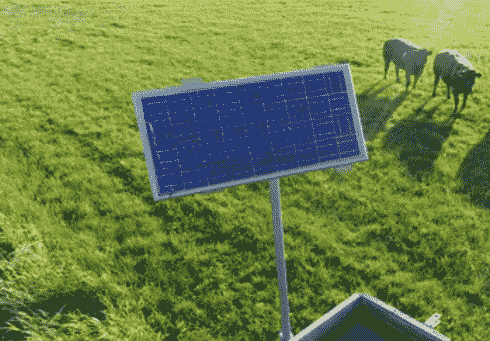
Modern European projects are now integrating "smart" tracking panels that adjust their tilt based on the specific light and water needs of the crop below. Some systems even incorporate rainwater harvesting channels into the panel frames, directing runoff into irrigation reservoirs.
In conclusion, agrivoltaics represents a shift from land-use competition to land-use synergy. For Europe’s drylands, it offers a path to energy independence that reinforces, rather than threatens, water security and the future of traditional farming.
Visit our website to know more: https://www.leadventgrp.com/events/4th-annual-agrivoltaics-europe/details
For more information and group participation, contact us: [email protected]
Leadvent Group - Industry Leading Events for Business Leaders!



Comment