

Driving Equity: The Social Impact of Gender-Inclusive E-Mobility
The global transition to electric vehicles (EVs) is often framed as a purely technological shift aimed at decarbonization. However, in 2026, e-mobility has emerged as a powerful engine for social transformation, particularly through the lens of gender inclusion. By intentionally integrating women into the EV value chain, projects are moving beyond emission reductions to dismantle long-standing socio-economic barriers.
Breaking the "Pink" Ceiling in Transport
Historically, the transport sector has been male-dominated, with women making up only about 15% of the global workforce (Asian Development Bank, 2026). E-mobility offers a "reset button" because the technology is relatively new for everyone. In Indonesia, the Transjakarta Academy has leveraged this by training women to operate electric buses, noting that female representation improves perceived passenger safety and sensitivity toward vulnerable groups, such as the elderly and persons with disabilities (ITDP Indonesia, 2026).
Economic Empowerment and Resilience
Inclusive e-mobility projects are creating new economic pathways. In Nepal, initiatives like SET4NPL are helping women transition from traditional roles to operating higher-capacity electric microbuses (Mitigation Action Facility, 2026). Similarly, across Africa, programs like Kenya’s Roam Women in EV and Rwanda’s Ampersand are providing technical training for women e-motorcycle drivers (Africa E-Mobility Association, 2025). These roles often provide higher income and more flexible working conditions than traditional informal labor.
Addressing the "Charging Disadvantage"
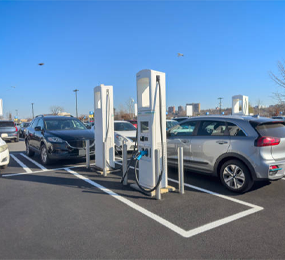
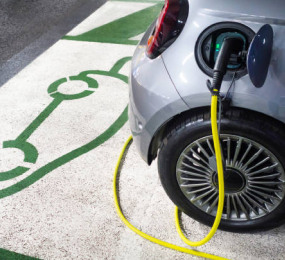
Social impact also extends to infrastructure. Research into "charging disadvantage" highlights that without gender-sensitive planning, women—who often manage complex "trip-chaining" for household tasks—may face greater barriers to EV adoption (Taylor & Francis, 2025). Projects that prioritize well-lit, accessible, and safe charging hubs ensure that the benefits of clean energy are distributed equitably.
By viewing e-mobility through a Gender Equality and Social Inclusion (GESI) framework, cities are not just changing how they move; they are changing who gets to lead the journey.
Visit our website to know more: https://www.leadventgrp.com/events/2nd-annual-e-mobility-and-infrastructure-africa-summit/details
For more information and group participation, contact us: [email protected]
Leadvent Group - Industry Leading Events for Business Leaders!
www.leadventgrp.com| [email protected]










Comment