

The Road Ahead: Overcoming Infrastructure Challenges for Fleet Electrification
The transition to an electric fleet is no longer a question of "if," but "when." While the environmental and cost-saving benefits of EVs are clear, the path to full integration is often blocked by a significant hurdle: infrastructure. To successfully electrify, fleet managers must shift their focus from the vehicles themselves to the complex ecosystem that powers them.
The Power Grid Gap
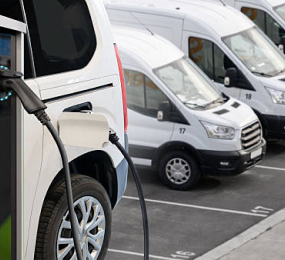
The most immediate challenge is utility capacity. A depot full of electric trucks charging simultaneously can place a massive strain on the local power grid, often exceeding existing site limits. Overcoming this requires early and proactive engagement with utility providers. In many cases, site upgrades—such as new transformers or substations—are necessary. To mitigate these costs, many fleets are adopting Smart Charging software, which staggers charging times to avoid peak demand charges and balance the load without requiring massive hardware overhauls.
Spatial and Scalability Constraints
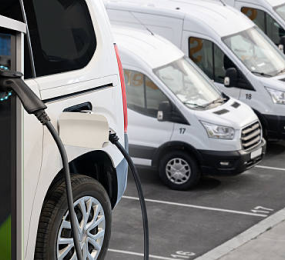
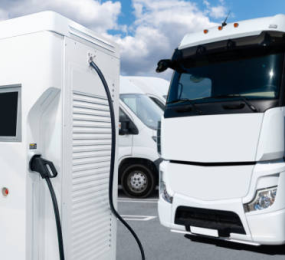
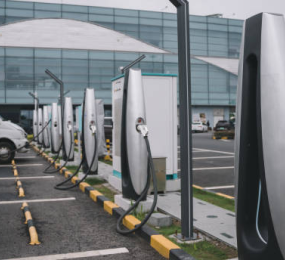
Physical space is another bottleneck. Traditional depots were designed for liquid fuel, not rows of charging pedestals and bulky power cabinets. Retrofitting these spaces requires strategic design to ensure that charging hardware doesn't impede vehicle movement or maintenance workflows. Furthermore, infrastructure must be built for scalability. Installing the bare minimum today often leads to "concrete regret" tomorrow. Forward-thinking fleets are investing in "make-ready" infrastructure—trenching and laying conduit for future chargers even if they only install a few today.
The Interoperability Factor
Finally, the lack of standardization across different vehicle makes and charging hardware can lead to technical friction. Utilizing Open Charge Point Protocol (OCPP) compliant hardware ensures that software and hardware from different vendors can communicate, preventing "vendor lock-in" and ensuring the fleet remains flexible as the market evolves.
By combining smart technology, early utility collaboration, and scalable site design, organizations can turn infrastructure from a barrier into a competitive advantage.











Comment