

Dual Land Use: Farming Meets Solar Energy
As the world grapples with the twin challenges of feeding a growing population and meeting climate goals, a new approach is emerging that bridges the gap between agriculture and renewable energy. Known as agrivoltaics or dual land use, this model allows farmland to serve two purposes at once: producing food and generating solar power. For farmers, policymakers, and communities, it presents a chance to rethink how land can be managed more efficiently and sustainably.
The Promise of Agrivoltaics
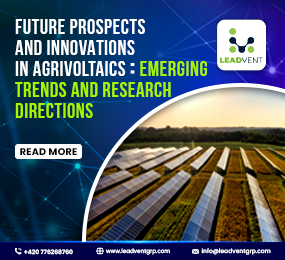
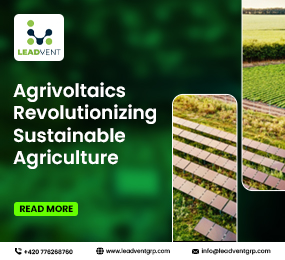
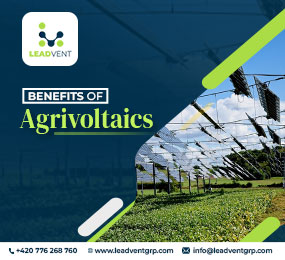
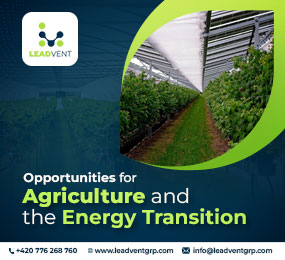
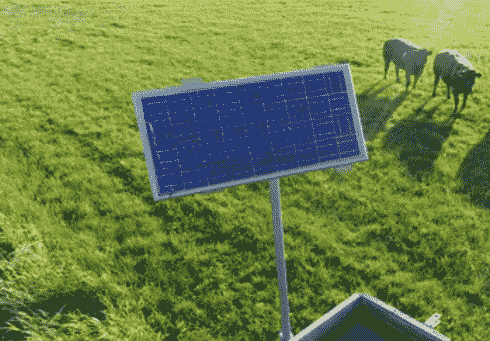
Traditionally, solar farms have competed with agriculture for land. In regions where arable land is scarce, this trade-off has sparked concern over food security. Agrivoltaics changes the equation. By installing solar panels at a height or spacing that accommodates crops, farmland can provide shade, reduce water stress, and maintain agricultural productivity all while producing clean energy.
This dual-use system brings multiple benefits: farmers can lower irrigation needs, diversify income streams, and become more resilient against climate shocks. Communities gain from the clean electricity feeding into local grids, helping countries move closer to their renewable energy targets.
Boosting Food Security and Energy Supply
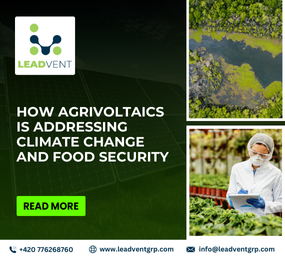
Agrivoltaics is especially promising in regions vulnerable to drought and rising temperatures. Solar panels act as a protective canopy, creating microclimates that shield crops from extreme heat and help conserve soil moisture. Studies have shown that certain crops such as leafy greens, berries, and grapes thrive under partial shade. At the same time, solar installations generate electricity that can power irrigation pumps, cold storage, and rural industries, strengthening the overall food-energy nexus.
Economic Opportunities for Farmers
For many farmers, fluctuating crop prices and climate risks create uncertainty. By integrating solar panels, landowners can add a reliable income stream through energy sales or leasing land to developers. This financial stability supports long-term farm viability and encourages younger generations to remain in agriculture, helping counter rural decline.
Moreover, agrivoltaics creates local jobs in solar installation, maintenance, and related services adding value to rural economies beyond farming alone.
Overcoming Challenges
Despite its potential, scaling agrivoltaics is not without hurdles. Upfront costs for solar installations remain high, and farmers often need access to financing or partnerships with energy developers. There are also regulatory questions around land use, zoning, and subsidy schemes that need to be addressed to ensure farming remains a priority alongside energy generation.
Successful projects will rely on collaboration between farmers, governments, researchers, and energy companies to design systems tailored to local crops, climates, and community needs.
Conclusion
Dual land use through agrivoltaics offers a powerful solution to two of today’s most pressing challenges: food security and clean energy. By transforming farmland into hubs of productivity and sustainability, it allows communities to nourish both people and the planet.
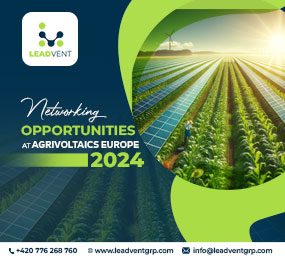
Takeaway Point: Agrivoltaics shows that farming and solar energy do not have to compete. With the right policies, investment, and collaboration, dual land use can deliver food, clean power, and rural prosperity at the same time. Learn more on our website: https://www.leadventgrp.com/event/4th-annual-agrivoltaics-europe/register
For more information and group participation, contact us: [email protected]
Leadvent Group - Industry Leading Events for Business Leaders!
www.leadventgrp.com | [email protected]






Comment