

Hydrogen at Scale: What Will Drive Widespread Adoption in Central and Eastern Europe?
Hydrogen has become one of the most talked-about energy solutions in the global transition to net-zero. For Central and Eastern Europe (CEE), the promise of hydrogen is not just about decarbonization, it is also about energy security, industrial competitiveness, and new opportunities for regional cooperation. The question now is: what will truly drive hydrogen adoption at scale in this part of Europe?
Policy and Regulatory Support
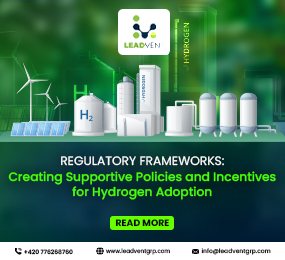
Governments across CEE are increasingly recognizing hydrogen as a strategic energy carrier. National hydrogen strategies have been launched in countries such as Poland, the Czech Republic, and Hungary, each outlining ambitions for production, distribution, and use. Yet, clear and consistent regulatory frameworks are essential. Incentives, subsidies, and harmonized standards across the region will determine whether hydrogen can move from pilot projects to widespread deployment.
Infrastructure Development
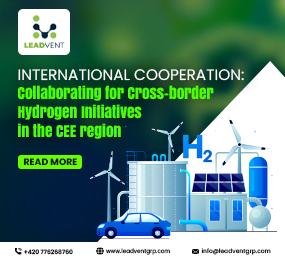
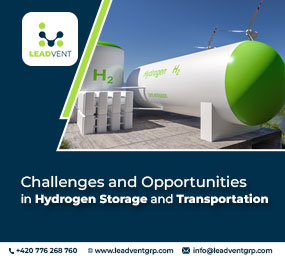
Scaling hydrogen requires robust infrastructure from production facilities to pipelines, storage systems, and refueling stations. Currently, much of this is at a very early stage in CEE. Investments in electrolyzers powered by renewable energy, as well as networks to transport hydrogen, are critical to building confidence among investors and end users. Regional collaboration could also play a vital role, ensuring infrastructure is developed in a coordinated and cost-effective way.
Industrial Demand as a Catalyst
Heavy industry in CEE, such as steelmaking, cement, and chemicals, represents a significant share of carbon emissions. These sectors also stand to benefit most from hydrogen, particularly as a replacement for coal and natural gas. Demand from industry can act as a powerful driver for scaling production and justifying infrastructure investments. Early partnerships between hydrogen producers and industrial players will be key to proving viability and reducing costs.
Renewable Energy Integration
The region has growing potential for renewable energy, from onshore and offshore wind to solar power. Pairing renewables with hydrogen production via electrolysis provides an opportunity not only to decarbonize but also to balance grids and store energy over the long term. This synergy strengthens the case for hydrogen as a central pillar of CEE’s energy transition.
Financial and International Support
Hydrogen projects are capital-intensive, and widespread adoption will depend heavily on financing. Support from the European Union’s Green Deal, Recovery Fund, and cross-border initiatives such as the Hydrogen Backbone project can help bridge the gap between early-stage projects and commercial-scale deployment. Attracting private capital will also require strong policy signals and a clear roadmap for returns on investment.
Conclusion
Central and Eastern Europe stands at an important crossroads in its energy transition. Hydrogen has the potential to reduce emissions, strengthen energy security, and modernize industries, but scaling it will require political will, regional cooperation, and substantial investment in infrastructure.
Takeaway Point: The widespread adoption of hydrogen in Central and Eastern Europe will be driven by a combination of strong policy frameworks, industrial demand, and investment in renewable-powered infrastructure making hydrogen not just an energy alternative, but a strategic enabler of the region’s future.
Learn more on our website: https://www.leadventgrp.com/event/10th-edition-cee-hydrogen-summit/register
For more information and group participation, contact us: [email protected]
Leadvent Group - Industry Leading Events for Business Leaders!
www.leadventgrp.com | [email protected]







Comment