

E-Fuels: A Cleaner Future for Combustion Without Compromise
As the world races toward carbon neutrality, the pressure to shift away from fossil fuels has never been greater. Electric vehicles and renewable power generation are making strides, but what about the sectors where electrification isn’t so easy like aviation, shipping, or heavy-duty transport?
Enter e-fuels a new class of synthetic fuels created with renewable electricity and captured carbon dioxide. While still in the early stages of adoption, e-fuels present a practical and scalable solution to decarbonize existing combustion engines without tearing down the infrastructure they rely on.
What Are E-Fuels?
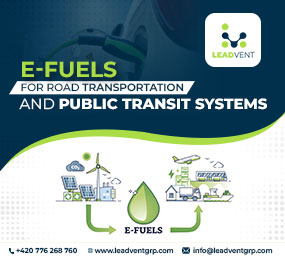
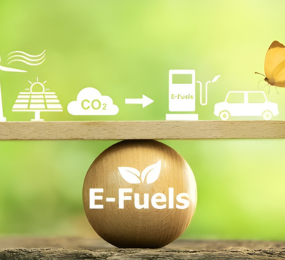
E-fuels, short for electrofuels, are made by combining hydrogen (from water electrolysis using renewable electricity) with carbon dioxide, usually captured from industrial sources or the air. The result is a liquid or gaseous fuel such as e-diesel, e-methanol, or e-kerosene that can power engines just like their fossil-based counterparts, but with significantly lower lifecycle emissions.
The big advantage? E-fuels can be used in today’s internal combustion engines, fuel pumps, and logistics systems with little to no modification. This makes them an attractive solution for industries and regions where full electrification is neither feasible nor affordable in the short term.
Decarbonizing Without Disruption
While much of the global focus is on switching to electric, many vehicles, aircraft, ships, and industrial machines still depend heavily on liquid fuels. Replacing all of that infrastructure would take decades. E-fuels offer a bridge a way to reduce emissions today while new technologies continue to evolve.
Aviation, for instance, accounts for roughly 2-3% of global CO? emissions, and yet electric planes are still years away from being commercially viable. E-kerosene can serve as a drop-in fuel, helping airlines reduce their carbon footprint without redesigning entire fleets.
Similarly, in the shipping and logistics industry, e-methanol and e-diesel can help replace bunker fuel and reduce maritime emissions without compromising performance.
The Roadblocks Ahead
Despite their promise, e-fuels face significant challenges chief among them is cost. Producing e-fuels is energy-intensive and requires access to large-scale renewable power. Right now, they're more expensive than traditional fuels, but as technology improves and production scales up, prices are expected to fall.
There’s also the matter of policy support. Governments and industries will need to work together to create incentives, develop certification standards, and invest in infrastructure that supports e-fuel deployment.
The Bigger Picture
E-fuels aren’t a silver bullet, but they’re a crucial part of the broader climate solution. When used alongside electrification, efficiency improvements, and renewable expansion, they offer a flexible tool for reaching decarbonization goals without leaving behind sectors that can’t electrify quickly.
Takeaway Point:
E-fuels offer a practical and immediate path to cleaner energy use in sectors that are hard to electrify, allowing the world to reduce emissions now while building toward a fully renewable future.
Learn more on our website: https://www.leadventgrp.com/events/2nd-annual-world-e-fuels-summit/details
For more information and group participation, contact us: [email protected]
Leadvent Group - Industry Leading Events for Business Leaders!
www.leadventgrp.com | [email protected]










Comment