

Decarbonizing Non-Road Sectors: Powering Progress Beyond the Pavement
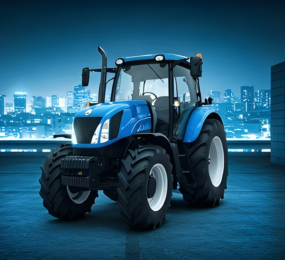
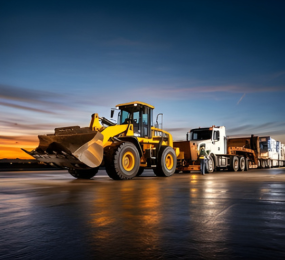
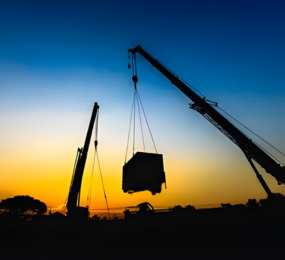
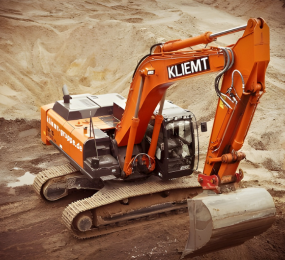
When we think about emissions and climate change, our minds often jump to cars, trucks, or planes. But there’s another major contributor to greenhouse gas emissions operating just outside the spotlight non-road mobile machinery (NRMM). From bulldozers and cranes to tractors and airport ground support equipment, these workhorses power key industries like construction, agriculture, mining, and logistics. And they are overdue for a sustainable transformation.
The decarbonization of non-road sectors is no longer optional; it’s essential. As global climate targets tighten and environmental accountability grows, the pressure is mounting to clean up the emissions of off-highway equipment many of which run on diesel and operate for long hours under tough conditions.
Why Non-Road Decarbonization Matters
Non-road machinery may not fill highways, but their environmental footprint is significant. These machines often rely on high-power diesel engines that emit nitrogen oxides (NOx), particulate matter, and carbon dioxide contributing to local air pollution and global warming.
In urban centers, construction equipment alone can account for a large portion of local air pollution. In rural settings, tractors and harvesters have long operated with little emission oversight. With the right attention and innovation, these emissions can be drastically reduced, benefiting both the planet and public health.
A Shift Driven by Innovation and Policy
Change is already underway. Manufacturers are developing low- and zero-emission alternatives, including electric excavators, hydrogen-powered loaders, and biofuel-compatible engines. Battery-powered models are being tested on job sites, especially for light to medium-duty equipment. For heavier-duty applications, hybrid systems and hydrogen fuel cells are gaining traction.
But technology alone isn’t enough. Policy and regulation are playing a critical role in pushing the transition. Regions like the EU and California have introduced stricter emissions standards for NRMM, setting the stage for cleaner engines and smarter deployment.
Procurement policies from cities and large contractors are also making a difference. More tenders now require emissions reporting or mandate the use of low-emission equipment encouraging manufacturers and fleet operators to invest in sustainable alternatives.
Overcoming the Roadblocks
Transitioning an entire sector isn't without challenges. The upfront cost of electric or hydrogen machinery remains high, charging and fueling infrastructure is still developing, and battery performance in demanding environments can be a concern.
However, the long-term benefits reduced fuel costs, lower maintenance, improved air quality, and regulatory compliance are winning over early adopters. As innovation accelerates and scale improves, the cost gap is expected to narrow significantly.
Partnerships between governments, manufacturers, and end-users will be key in accelerating this shift. Training, subsidies, and clearer decarbonization roadmaps can help the industry move forward together.
Takeaway Point: Decarbonizing non-road sectors is a crucial yet often overlooked step in the climate journey. With the right blend of innovation, regulation, and collaboration, these machines can move from being silent emitters to powerful drivers of low-carbon progress.
Learn more on our website: https://www.leadventgrp.com/events/2nd-annual-non-road-mobile-machinery-electrification-and-decarbonization-forum/details
For more information and group participation, contact us: [email protected]
Leadvent Group - Industry Leading Events for Business Leaders!
www.leadventgrp.com | [email protected]









Comment