

E-Fuels: A Practical Step Toward Cleaner Energy Systems
As industries work to reduce emissions while maintaining operational reliability, e-fuels are gaining attention as a flexible and practical solution. Also known as synthetic fuels, e-fuels are produced using renewable electricity and can be used within existing fuel systems. This makes them particularly valuable in sectors where electrification alone cannot meet current energy demands.
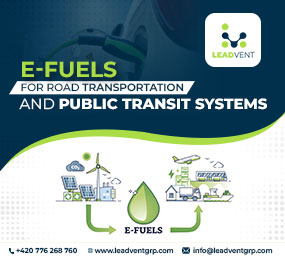
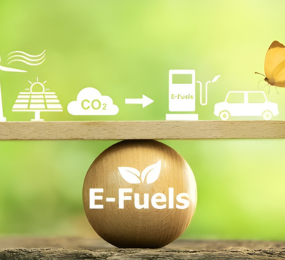
The production of e-fuels begins with hydrogen. Using renewable electricity, water is split into hydrogen and oxygen through a process known as electrolysis. The hydrogen is then combined with captured carbon dioxide to create synthetic fuels such as e-diesel, e-kerosene, or e-methanol. These fuels can be used in conventional engines, offering a seamless transition from traditional fossil fuels.
One of the key advantages of e-fuels is their compatibility with existing infrastructure. Unlike some alternative energy solutions that require entirely new systems, e-fuels can be transported, stored, and distributed using current pipelines and fueling networks. This reduces the need for large-scale infrastructure changes and allows for gradual adoption across industries.
E-fuels are particularly important for sectors that are difficult to electrify. Aviation, for example, requires fuels with high energy density to support long-haul flights. Similarly, maritime shipping and heavy-duty transport rely on fuels that can sustain long-distance operations. In these cases, e-fuels provide a viable pathway to reduce emissions without compromising performance.
From an environmental perspective, e-fuels offer the potential for lower lifecycle emissions. While they release carbon dioxide when used, the carbon is typically captured during the production process. This creates a more balanced carbon cycle compared to conventional fuels, helping to reduce overall environmental impact.
However, e-fuels are not without challenges. The production process is energy-intensive and currently more expensive than traditional fuel production. Large amounts of renewable electricity are required, making scalability dependent on the expansion of clean energy capacity.
Efficiency is another consideration. Converting electricity into fuel and then back into usable energy involves energy losses, which means e-fuels are less efficient than direct electrification. For this reason, they are best suited for applications where other alternatives are not practical.
Technological advancements are helping address these challenges. Improvements in electrolysis efficiency, carbon capture methods, and fuel synthesis processes are gradually reducing costs and increasing production capacity. As these technologies mature, e-fuels are expected to become more competitive.
Policy support is also accelerating progress. Governments and international organizations are introducing incentives, funding research, and setting targets to encourage the development and use of e-fuels. These initiatives are helping create a more supportive environment for innovation and investment.
E-fuels are not a standalone solution but an important part of a broader energy transition. They complement renewable electricity, hydrogen, and other low-carbon technologies, providing flexibility where it is most needed.
As the global energy landscape continues to evolve, e-fuels offer a practical bridge between current systems and future sustainability goals. By enabling emissions reduction without requiring complete infrastructure changes, they play a key role in building a more balanced and resilient energy system.
Takeaway Point:
E-fuels provide a flexible, low-carbon solution for sectors that are difficult to electrify, supporting emissions reduction while leveraging existing energy infrastructure.
Learn more on our website: https://www.leadventgrp.com/event/3rd-annual-world-e-fuels-summit/register
For more information and group participation, contact us: [email protected]
Leadvent Group - Industry Leading Events for Business Leaders!
www.leadventgrp.com | [email protected]












Comment