

Marine Fuels: Steering the Shipping Industry Toward Sustainability
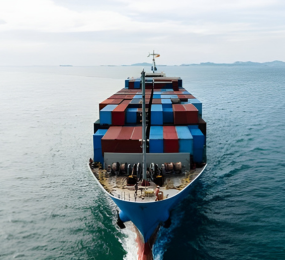
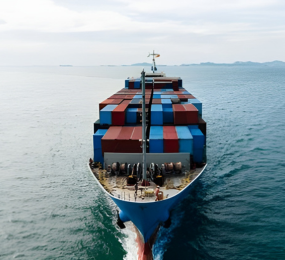
Global shipping underpins international trade, moving goods across continents and connecting markets at scale. At the heart of this system are marine fuels, the energy sources that power vessels through long and often demanding routes. As environmental expectations rise and regulations become stricter, the role of marine fuels is shifting from purely functional to strategically important.
Historically, the industry has relied on heavy fuel oil (HFO) and marine diesel. These fuels are energy-dense and cost-effective, making them suitable for long-distance shipping. However, they are also associated with high emissions, including carbon dioxide, sulfur oxides, and particulate matter. This has placed the sector under increasing pressure to adopt cleaner alternatives.
One of the most immediate changes has been the move toward low-sulfur fuels. The introduction of very low sulfur fuel oil (VLSFO) has helped reduce sulfur emissions significantly, improving air quality around ports and busy shipping corridors. While this transition represents meaningful progress, it is only one step in a broader decarbonization journey.
Liquefied natural gas (LNG) has gained traction as a transitional fuel. Compared to traditional marine fuels, LNG produces fewer emissions, particularly in terms of sulfur and particulates. It also offers some reduction in carbon emissions. However, LNG is not considered a long-term solution for achieving net zero, as it still relies on fossil-based energy.
The industry is now exploring next-generation fuels that can deliver deeper emission reductions. Biofuels are one such option, produced from renewable sources like waste oils and agricultural residues. These fuels can often be used in existing engines, making them a practical choice for reducing emissions without requiring major retrofits.
Other emerging fuels include green methanol, ammonia, and hydrogen. These alternatives have the potential to significantly lower or eliminate carbon emissions when produced using renewable energy. However, their adoption depends on advancements in technology, safety standards, and global supply infrastructure.
In parallel with fuel innovation, operational efficiency is improving. Modern vessels are designed with advanced propulsion systems, optimized hull structures, and digital monitoring tools that help reduce fuel consumption. These enhancements contribute to lower emissions and improved cost efficiency.
Infrastructure development is a critical factor in the transition to sustainable marine fuels. Ports and refueling systems must adapt to handle new fuel types safely and efficiently. This requires coordinated investment and collaboration across the maritime value chain, including shipowners, fuel suppliers, and regulatory bodies.
Economic considerations remain a challenge. Sustainable fuels are currently more expensive than conventional options, which can influence adoption decisions. However, as production scales and technologies mature, costs are expected to decrease over time.
Regulatory frameworks are playing a key role in driving change. International standards and environmental targets are encouraging the industry to move toward cleaner practices. These policies are creating momentum and helping align stakeholders around common sustainability goals.
Marine fuels are no longer just about powering ships—they are central to the future of sustainable shipping. As innovation continues and collaboration strengthens, the industry is steadily moving toward a cleaner and more responsible operating model.
Takeaway Point:
Marine fuels are evolving toward cleaner alternatives, enabling the shipping industry to reduce emissions while maintaining efficient and reliable global trade operations.
Learn more on our website: https://www.leadventgrp.com/event/world-sustainable-marine-fuels-forum/register
For more information and group participation, contact us: [email protected]
Leadvent Group- Industry Leading Events for Business Leaders!
www.leadventgrp.com | [email protected]






Comment