

E-Fuels: Advancing the Future of Sustainable Transport
As industries strive to reduce carbon emissions, e-fuels are emerging as a practical solution for sectors where electrification is challenging. Also known as synthetic fuels, e-fuels are produced using renewable electricity, green hydrogen, and captured carbon dioxide (CO?). They offer a low-carbon alternative to conventional fossil fuels while supporting global efforts to achieve net-zero emissions.
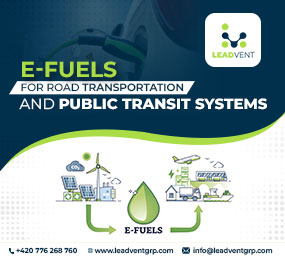
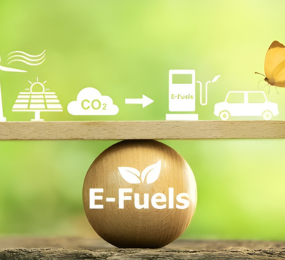
The production process begins with renewable electricity generated from wind, solar, or hydropower. This electricity powers electrolysis, which splits water into hydrogen and oxygen, producing green hydrogen. The green hydrogen is then combined with captured CO? through advanced chemical processes to create synthetic fuels such as e-kerosene, e-methanol, e-diesel, and e-ammonia.
One of the greatest advantages of e-fuels is that they can be used in many existing engines and fuel distribution systems with minimal modifications. This makes them an attractive option for industries such as aviation, maritime shipping, and heavy-duty transport, where replacing existing infrastructure is costly and complex.
E-fuels also contribute to energy security by reducing dependence on fossil fuels and making use of renewable electricity that might otherwise go unused. When produced using renewable energy and sustainably sourced carbon dioxide, they can significantly reduce lifecycle greenhouse gas emissions while supporting a circular carbon economy.
Although large-scale production is still developing, continued investment, technological innovation, and supportive government policies are helping improve efficiency and lower production costs. As renewable energy capacity expands and production technologies mature, e-fuels are expected to become an increasingly important part of the global clean energy mix.
Takeaway Point
E-fuels provide a practical and scalable solution for reducing carbon emissions in aviation, shipping, and heavy transport. By combining renewable electricity, green hydrogen, and captured carbon dioxide, they support the transition to cleaner energy while helping industries achieve long-term sustainability and net-zero goals.
Learn more on our website: https://www.leadventgrp.com/event/3rd-annual-world-e-fuels-summit/register
For more information and group participation, contact us: [email protected]
Leadvent Group - Industry Leading Events for Business Leaders!







Comment