

E-Fuels: Powering a Cleaner Energy Future
As the global community intensifies its efforts to cut carbon emissions, attention is turning to technologies that can decarbonize sectors where electrification alone cannot provide solutions. Among these emerging options, e-fuels synthetic fuels created using renewable energy are gaining momentum as a versatile and promising pathway toward a cleaner energy future.
What Are E-Fuels?
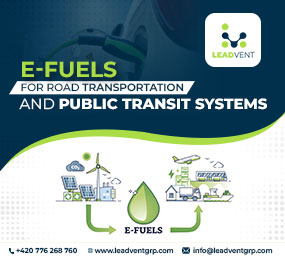
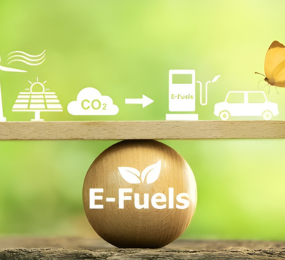
E-fuels, or electrofuels, are produced by combining hydrogen (generated through renewable-powered electrolysis) with captured carbon dioxide. The result is a synthetic fuel that can be used in existing engines and infrastructure without significant modifications. In simple terms, e-fuels can replicate the properties of fossil fuels but with far lower lifecycle emissions, offering a practical bridge between current systems and the net-zero ambitions of tomorrow.
Why E-Fuels Matter
While electric vehicles and renewable energy dominate discussions around decarbonization, not every sector can transition easily to battery power. Heavy industries, shipping, and aviation require high energy density solutions that batteries alone cannot yet provide at scale. E-fuels can fill this gap, offering a cleaner alternative to conventional fuels while maintaining compatibility with global fuel logistics.
For aviation, where Sustainable Aviation Fuels (SAF) remain expensive and limited in supply, e-fuels provide another viable pathway to reducing emissions. Similarly, in shipping and long-haul transport, e-fuels could become a critical enabler of sustainable operations.
The Challenges Ahead
Despite their potential, e-fuels face notable hurdles. Production is energy-intensive, relying on abundant supplies of renewable electricity, which is still in the process of scaling up globally. Costs also remain high compared to fossil fuels, limiting widespread adoption. Infrastructure for large-scale production and distribution will require substantial investment, and supportive government policies will be essential to encourage market growth.
Driving Innovation and Investment
Momentum is building as governments, investors, and industry leaders recognize the role e-fuels can play in achieving climate goals. Pilot projects are expanding in
Europe, particularly in Germany and the Nordics, where renewable energy capacity is strong. Partnerships between energy companies and transport sectors are also accelerating research and deployment. The more production scales up, the more costs are expected to decline, creating opportunities for broader adoption.
Looking Forward
E-fuels are not a silver bullet, but they are an important part of the climate solution puzzle. By enabling carbon-neutral fuel use in sectors that are otherwise difficult to decarbonize, e-fuels bridge the gap between today’s fossil fuel reliance and tomorrow’s renewable-powered systems. Their success will depend on continued innovation, supportive policy frameworks, and industry-wide collaboration.
Takeaway Point: E-fuels offer a practical route to decarbonization in sectors where electrification falls short. While challenges around cost and scale remain, their potential to reshape aviation, shipping, and industry makes them a vital piece of the global energy transition.
Learn more on our website: https://www.leadventgrp.com/event/2nd-annual-world-e-fuels-summit/register
For more information and group participation, contact us: [email protected]
Leadvent Group - Industry Leading Events for Business Leaders!
www.leadventgrp.com | [email protected]











Comment