

Floating Wind: Unlocking Offshore Renewable Energy Potential
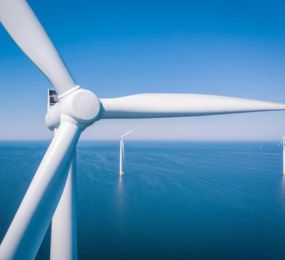
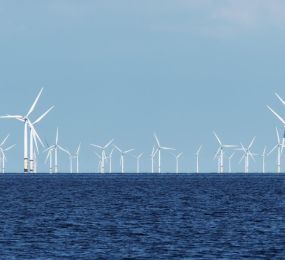
As the global energy transition accelerates, offshore wind has become a cornerstone of renewable energy strategies. Yet, traditional bottom-fixed wind farms are limited to shallow waters, leaving vast stretches of deeper oceans untapped. This is where floating wind technology steps in offering a groundbreaking solution to harness wind power where the seabed is too deep for conventional foundations.
Expanding Offshore Possibilities
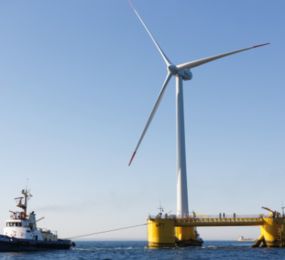
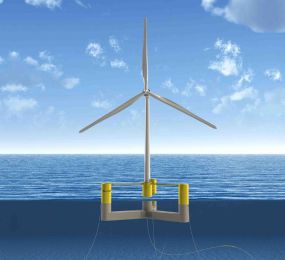
Floating wind turbines are designed to rest on buoyant platforms anchored to the seabed, enabling them to operate in waters over 60 meters deep. This innovation opens access to areas previously out of reach, including coastlines with strong and consistent wind resources. Countries like Japan, Norway, and the United States, with steep continental shelves, now have new opportunities to harness offshore wind without geographic constraints.
Engineering at Sea
At the heart of floating wind lies advanced engineering. Turbines mounted on semi-submersible or spar-buoy platforms must withstand harsh marine conditions strong winds, high waves, and shifting currents while maintaining stability and efficiency. Advances in materials, anchoring systems, and digital monitoring technologies have made it possible to deploy these floating structures at scale, transforming what was once a concept into a commercially viable industry.
Economic and Environmental Benefits
Beyond expanding access, floating wind contributes to economic growth and environmental sustainability. It creates opportunities for coastal regions through job creation in construction, maintenance, and port infrastructure. Environmentally, floating turbines have a lighter footprint since they avoid extensive seabed construction, reducing ecological disruption compared to bottom-fixed installations. As costs continue to decline with scaling and innovation, floating wind could become one of the most competitive renewable energy sources.
Challenges Ahead
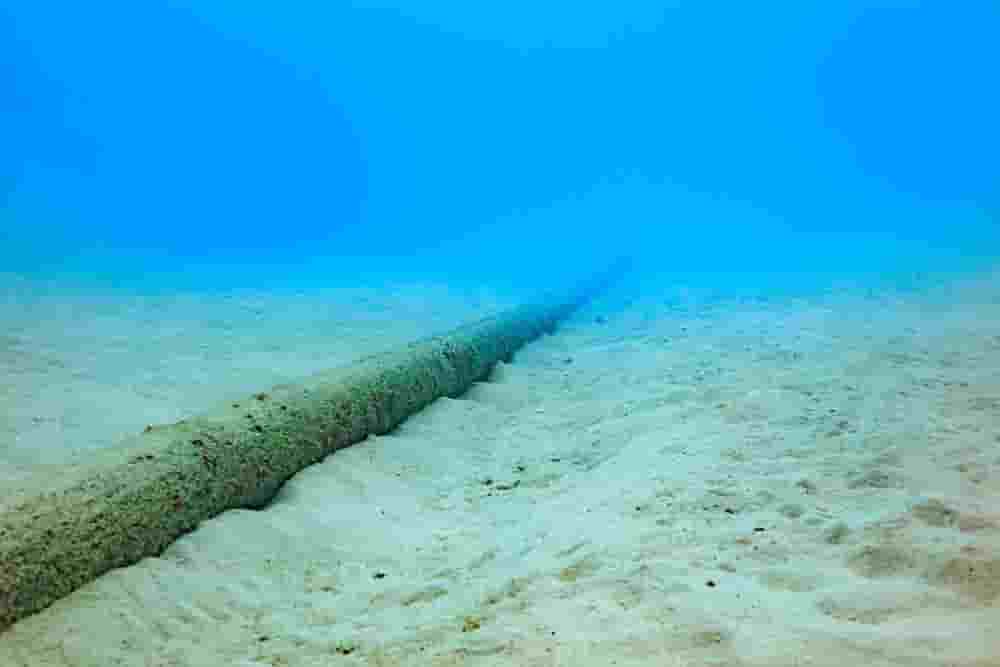
Despite its promise, floating wind faces hurdles. High upfront costs, complex installation logistics, and the need for specialized vessels remain significant barriers. Grid connection in deep waters is another technical challenge, requiring subsea cabling solutions that are both reliable and cost-effective. Collaboration between governments, investors, and industry players is essential to overcome these obstacles and accelerate commercialization.
Looking Toward the Future
The potential for floating wind is immense. According to global energy forecasts, floating technology could unlock gigawatts of clean power, enough to supply millions of homes while reducing reliance on fossil fuels. For nations seeking to meet ambitious net-zero targets, floating wind represents not just an alternative, but a necessity in building resilient, diversified renewable energy systems.
Takeaway Point: Floating wind bridges the gap between ambition and reality in offshore renewable energy. By extending wind power to deeper waters, it expands global clean energy potential while creating economic opportunities and supporting climate goals.
Learn more on our website: https://www.leadventgrp.com/event/6th-annual-floating-wind-europe/register
For more information and group participation, contact us: [email protected]
Leadvent Group - Industry Leading Events for Business Leaders!
www.leadventgrp.com | [email protected]








Comment