

E-Fuels: The Bridge Between Today’s Engines and Tomorrow’s Clean Energy
In the global race to decarbonize, most conversations revolve around electric vehicles, hydrogen, and solar. But there’s another player gaining traction e-fuels. These synthetic fuels are quietly becoming a crucial part of the clean energy puzzle, especially for sectors that can’t easily go electric.
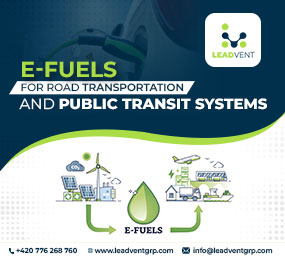
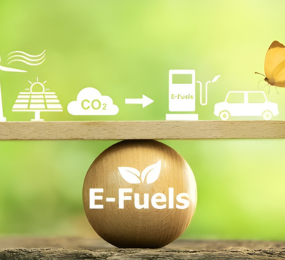
Unlike traditional fuels, e-fuels are produced by combining hydrogen (obtained through water electrolysis using renewable energy) with captured carbon dioxide. The result is a fuel that looks and behaves like gasoline, diesel, or jet fuel but burns cleaner, with the potential for net-zero emissions when produced sustainably.
So why does this matter?
A Realistic Alternative for Hard-to-Electrify Sectors
While electric mobility has made impressive strides, not every sector can plug in overnight. Aviation, shipping, and long-haul trucking face unique challenges where battery weight, range limitations, and charging infrastructure create barriers.
This is where e-fuels come in not as a competitor to electrification, but as a complementary solution. By mimicking conventional fuel properties, e-fuels can be used in existing internal combustion engines and fueling systems with minimal modifications. That means immediate emissions reductions without overhauling the global infrastructure.
Making Carbon Circular
One of the most compelling aspects of e-fuels is their ability to reuse carbon. The CO? captured during production doesn’t add new emissions to the atmosphere when the fuel is burned it completes a loop. This “closed carbon cycle” transforms emissions from a problem into part of the solution.
Of course, this comes with a caveat: to be truly sustainable, the hydrogen used must come from renewable sources (not fossil fuels), and the carbon must be captured from air or biogenic sources not from industrial smokestacks. The technology is here; now the challenge is scale and policy support.
Scaling Up: The Road Ahead
Several pilot projects across Europe, Asia, and North America are proving the viability of e-fuels. Major automotive and aviation brands are investing in research and early production. Governments are beginning to recognize e-fuels as part of their
energy transition strategies, offering funding and regulatory frameworks to push development.
Still, hurdles remain. E-fuels are energy-intensive to produce, and their current cost is higher than fossil fuels. But as renewable electricity becomes cheaper and more abundant, production costs are expected to fall.
The real value of e-fuels lies in their ability to decarbonize sectors that currently have no realistic alternative. They’re not a silver bullet but they’re a powerful tool in the broader climate solution set.
Takeaway Point: E-fuels offer a pragmatic path toward decarbonization especially for industries where electrification falls short. By rethinking how we make and use fuel, e-fuels create a bridge between today’s infrastructure and tomorrow’s clean energy future.
Learn more on our website: https://www.leadventgrp.com/event/2nd-annual-world-e-fuels-summit/register
For more information and group participation, contact us: [email protected]
Leadvent Group - Industry Leading Events for Business Leaders!
www.leadventgrp.com | [email protected]









Comment