

Floating Solar: A New Horizon for Clean Energy
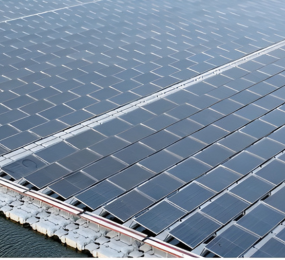
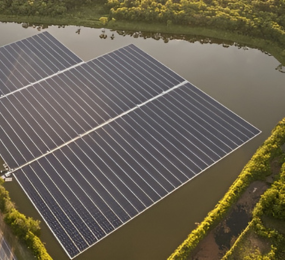
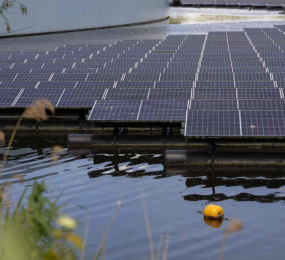
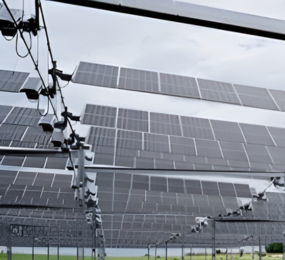
As countries look for practical ways to expand their renewable energy capacity, floating solar is quickly gaining attention. Often called “floatovoltaics,” these systems place solar panels on reservoirs, lakes, and other calm water surfaces. The concept may seem unconventional, but it is proving to be one of the most resourceful solutions in the broader transition to clean energy.
What makes floating solar particularly appealing is its ability to use areas that would otherwise remain undeveloped. In regions where land is limited or already highly contested whether for agriculture, housing, or conservation water bodies provide a new frontier for solar deployment. This approach allows communities to scale up renewable power without competing with essential land uses or altering natural landscapes.
Beyond space efficiency, floating solar systems benefit from the cooling effect of water. Solar panels operate more efficiently when temperatures are lower, and the water beneath helps maintain that balance. This can result in an energy yield that is noticeably higher than land-mounted systems. For many developers, this efficiency improvement is a key advantage, especially in hot climates where solar potential is high but performance can drop due to heat.
There is also an environmental dimension worth noting. Floating solar installations help reduce water evaporation from reservoirs, an important benefit for areas dealing with water scarcity. When placed on artificial or man-made water bodies, these systems have minimal ecological disturbance. In fact, some developers design the arrays in ways that allow sunlight to penetrate and support healthy aquatic ecosystems.
Floating solar also supports more resilient energy strategies. Pairing these systems with hydropower facilities creates a powerful combination—one that can stabilise supply, improve grid reliability, and support higher levels of renewable integration. Several countries are already adopting this hybrid model, demonstrating how water infrastructure can serve multiple purposes beyond storage.
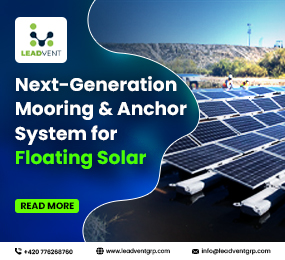
However, floating solar is not without its challenges. Installation and maintenance require specialised expertise, and environmental assessments are essential to ensure long-term compatibility with water bodies. Mooring systems must also be designed carefully to withstand wind, waves, and seasonal water level changes. Despite these considerations, the sector continues to mature, with technological improvements reducing risks and cost over time.
For communities and energy planners, floating solar represents a practical pathway to accelerate clean power generation. It offers a way to expand renewable capacity
without the land constraints that often slow down large-scale solar projects. The continued growth of this technology signals a future where energy production can be both resource-efficient and environmentally sound.
Takeaway Point
Floating solar offers a smart and sustainable way to grow renewable energy by making use of underutilised water surfaces, improving efficiency, and strengthening energy resilience all while reducing pressure on valuable land resources. Learn more on our website: https://www.leadventgrp.com/event/6th-annual-floating-solar-pv-forum/register For more information and group participation, contact us: [email protected] .
Leadvent Group - Industry Leading Events for Business Leaders!
www.leadventgrp.com | [email protected]





Comment
Joseph J. Steward
June 29, 2026
Hello, I'm following up on the email and quote I sent for the ongoing project. Could you please share your solution at your earliest convenience? Including pricing for this inquiry? If not referred to the decision maker. I await your response. Kind regards.