

Floating Solar: Rethinking Where Clean Energy Can Be Built
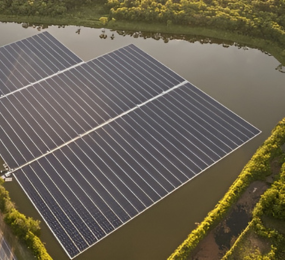
As countries work to expand renewable energy, one challenge keeps resurfacing: land availability. Large solar projects often compete with agriculture, housing, and conservation needs. Floating solar offers a practical alternative by placing photovoltaic systems on water surfaces, turning underused reservoirs and lakes into productive energy assets.
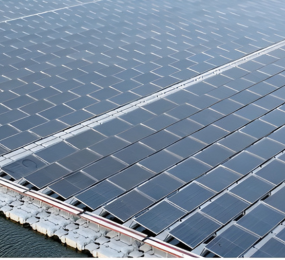
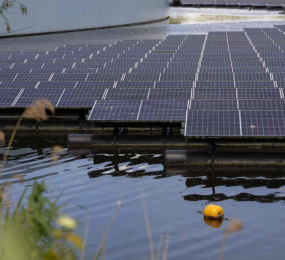
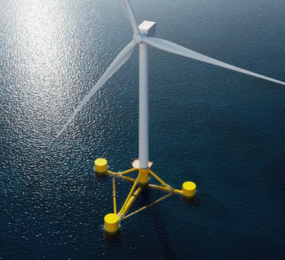
Floating solar systems are installed on buoyant platforms that support solar panels and allow them to move with changing water levels. These platforms are anchored to maintain stability while accommodating natural variations such as wind and waves. The technology combines proven solar equipment with marine engineering, making it suitable for both inland water bodies and, in some cases, sheltered coastal areas.
One of the key advantages of floating solar is improved performance. Water helps cool the panels, allowing them to operate more efficiently, especially in warmer climates. Higher efficiency can lead to greater energy output compared to similar land-based systems. In addition, the panels reduce evaporation by shading the water surface, which can be valuable in regions facing water stress.
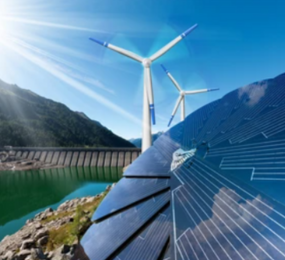
Floating solar also fits well with existing energy infrastructure. Many projects are developed on hydropower reservoirs, allowing operators to share grid connections, access roads, and maintenance resources. This pairing creates operational efficiencies and supports more balanced power generation, with solar contributing during daylight hours and hydropower offering flexibility when solar output declines.
Environmental impact is an important consideration. Well-designed floating solar projects can limit algae growth and improve water quality. However, poor planning may affect aquatic ecosystems, water use, or recreational activities. Careful site selection, environmental assessments, and ongoing monitoring are essential to ensure that projects deliver benefits without unintended consequences.
Cost remains a factor in project development. Floating solar installations typically involve higher upfront investment due to specialized materials, anchoring systems, and installation requirements. However, as the technology matures and more projects are deployed globally, costs are gradually decreasing. In many cases, the long-term advantages land preservation, improved efficiency, and water conservation help offset initial expenses.
Interest in floating solar is growing across regions with limited land availability or strong solar potential. Countries in Asia, Europe, and Africa are increasingly viewing
floating solar as a complementary solution rather than a replacement for ground-mounted systems. Its flexibility allows it to support renewable energy targets while minimizing land-use conflicts.
Floating solar represents a shift in how renewable energy is planned and deployed. By using water surfaces that are already part of existing infrastructure, it offers a thoughtful and efficient way to expand clean energy capacity.
Key Takeaway
Floating solar enables renewable energy growth without competing for land, combining clean power generation with water efficiency and infrastructure flexibility. Learn more on our website: https://www.leadventgrp.com/event/6th-annual-floating-solar-pv-forum/register For more information and group participation, contact us: [email protected] .
Leadvent Group - Industry Leading Events for Business Leaders!
www.leadventgrp.com | [email protected]




Comment