

HVDC vs. HVAC in Submarine Interconnections: A Comparative Analysis
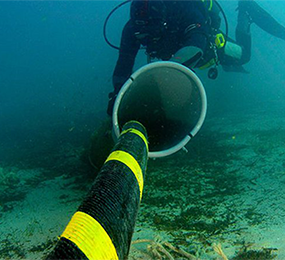
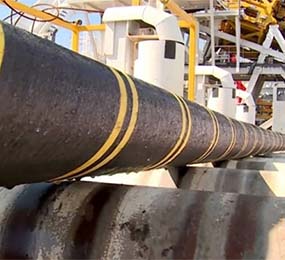
The expansion of offshore wind farms and the need for international grid synchronization have intensified the debate between High Voltage Alternating Current (HVAC) and High Voltage Direct Current (HVDC) for submarine power transmission. While HVAC remains the standard for short-distance terrestrial grids, its application in subsea environments is strictly limited by physics.
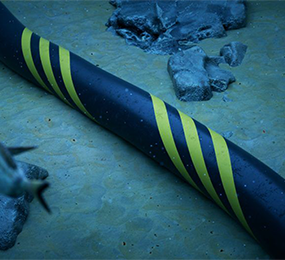
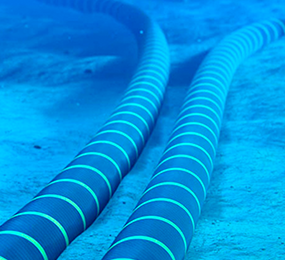
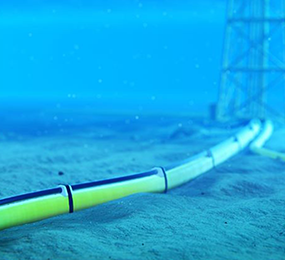
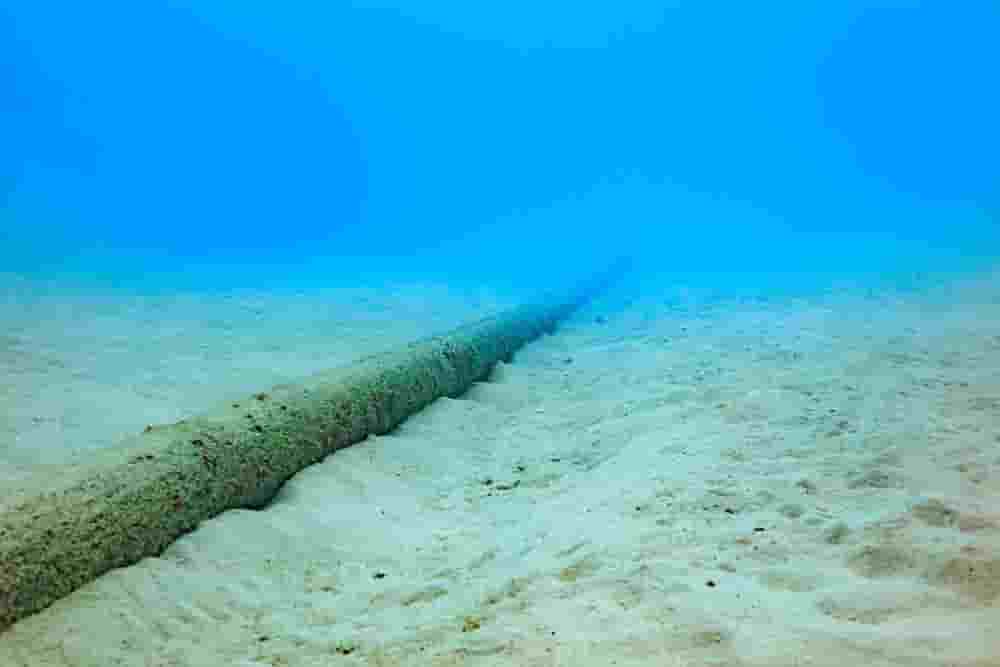
The primary technical hurdle for HVAC in submarine settings is the "capacitive charging current." Submarine cables, being insulated and placed close to the conductive seabed, act as massive capacitors. In an AC system, this capacitance creates a continuous reactive power flow that occupies the cable’s thermal capacity. As the cable length increases, the charging current consumes more of the available current-carrying capacity, eventually leaving no room for useful active power. For this reason, HVAC submarine links are typically limited to distances under 80 to 100 kilometers.
In contrast, HVDC systems operate at a constant voltage, effectively eliminating the charging current issue. This makes HVDC the only viable solution for long-distance, deep-sea interconnections, such as the North Sea Link. Furthermore, HVDC allows for the asynchronous connection of two different grids, providing better control over power flow and preventing the spread of cascading failures between interconnected regions.
From an economic perspective, the choice involves a trade-off between cable costs and terminal costs. HVAC cables are generally cheaper, and the substations are simpler and less expensive. However, HVDC requires costly converter stations at both ends to transition from AC to DC and back. There exists a "break-even distance"—usually cited between 50 and 80 km for subsea applications—beyond which the lower cost and higher efficiency of HVDC cables outweigh the high capital expenditure of the converter stations. As global energy markets move toward offshore renewable integration, the reliability and distance-independence of HVDC are making it the dominant architecture for the subsea supergrids of the future.
Visit our website to know more: https://www.leadventgrp.com/events/5th-annual-submarine-power-cable-and-interconnection-forum/details
For more information and group participation, contact us: [email protected]
Leadvent Group - Industry Leading Events for Business Leaders!
www.leadventgrp.com [email protected]




Comment