

Floating Wind: Expanding the Horizon of Renewable Energy
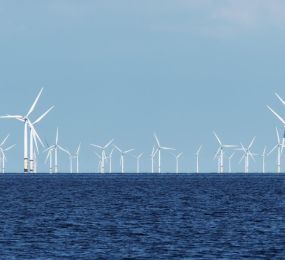
Among the many innovations shaping the future of clean energy, floating wind stands out for its ability to unlock wind resources once thought unreachable. As countries seek ways to meet rising energy demands while cutting carbon emissions, the ability to generate power far from shore where winds are stronger and more consistent has opened an entirely new chapter for offshore wind development.
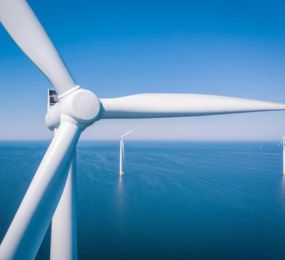
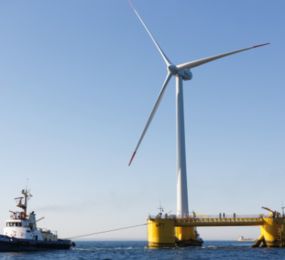
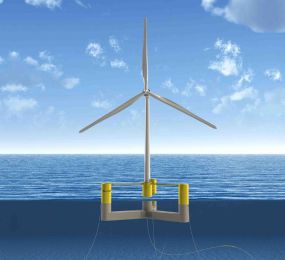
Traditional offshore wind farms rely on fixed foundations anchored to the seabed. This works well in shallow waters, but much of the world’s best wind potential lies in deeper seas where fixed structures simply aren’t practical. Floating wind technology overcomes this limitation by mounting turbines on buoyant platforms secured by mooring systems. This allows them to operate in waters far beyond the reach of conventional designs.
What makes floating wind especially exciting is its versatility. It enables countries with steep coastlines—such as Japan, Norway, South Korea, and parts of the United States to tap into offshore wind resources previously inaccessible. The technology also offers more flexibility in siting projects farther offshore, where they are less visible from the coastline and face fewer land-use conflicts. This balance between energy production and community acceptance has become a significant advantage in recent project planning.
Floating wind is still a relatively young sector, but its progress has been rapid. Early pilot projects have demonstrated strong performance, and larger commercial-scale developments are now moving forward across Europe and Asia. As more experience is gained, costs are gradually falling mirroring the cost reductions seen over the past decade in fixed-bottom offshore wind.
However, the path to widespread adoption is not without challenges. Building turbines on floating structures requires advanced engineering, specialized vessels, and coordinated supply chains. Installation and maintenance are also more complex due to the distance from shore. Yet, these challenges have become catalysts for innovation. Companies are investing in new platform designs, efficient anchoring methods, and improved operational strategies to make floating wind more commercially competitive.
The environmental benefits are compelling. Floating wind offers access to some of the strongest wind resources on the planet, supporting the generation of large amounts of clean electricity. As global energy systems shift away from fossil fuels, the ability to deliver reliable renewable power at scale will be critical—and floating wind is poised to play a meaningful role in that transition.
Beyond energy production, the industry is beginning to create economic opportunities across coastal regions. Manufacturing, logistics, engineering, and maintenance sectors all stand to benefit as floating wind projects expand. For many countries, it represents not only a pathway to cleaner energy but also a driver for industrial growth and innovation.
Floating wind technology is more than an engineering achievement; it is a demonstration of how creativity and determination can expand the boundaries of what is possible in renewable energy. By harnessing winds once beyond reach, it brings the world a step closer to a resilient, sustainable energy future.
Takeaway Point
Floating wind power unlocks deeper waters and stronger wind resources, offering a promising and scalable path to clean energy while driving innovation and economic growth across coastal regions.
Learn more on our website: https://www.leadventgrp.com/event/6th-annual-floating-wind-europe/register
For more information and group participation, contact us: [email protected]
Leadvent Group - Industry Leading Events for Business Leaders!
www.leadventgrp.com | [email protected]






Comment