

Floating Wind: Unlocking a New Era of Renewable Energy
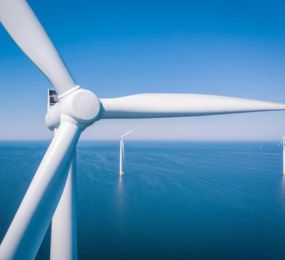
As countries around the world accelerate the transition toward cleaner energy systems, floating wind is emerging as one of the most promising innovations in renewable power generation. Designed to operate in deeper waters where traditional offshore wind turbines cannot be installed, floating wind technology is opening new opportunities for large-scale clean energy production.
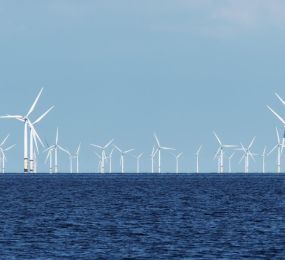
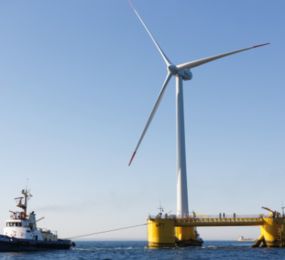
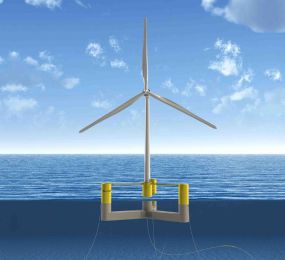
Conventional offshore wind farms are typically built in shallow coastal waters where turbines can be fixed directly to the seabed. While this approach has proven successful, it limits development to specific geographical areas. Floating wind technology removes this limitation by allowing turbines to operate on floating platforms anchored to the ocean floor with mooring systems.
This advancement significantly expands the potential for offshore renewable energy. Many regions around the world have stronger and more consistent wind resources in deeper waters, making floating wind an attractive solution for increasing clean electricity generation while reducing dependence on fossil fuels.
One of the key advantages of floating wind is access to higher wind speeds farther offshore. Stronger winds improve energy production efficiency and allow turbines to generate more electricity over time. These conditions can help improve project performance and support national renewable energy targets.
Floating wind also reduces some of the visual and environmental concerns associated with nearshore energy infrastructure. Since projects are typically located farther from coastlines, they may have less visible impact on coastal communities while still delivering significant energy capacity.
Technological innovation is driving rapid progress across the floating wind sector. Engineers are developing advanced floating platforms capable of withstanding harsh marine conditions, including strong waves, ocean currents, and extreme weather. These platforms are designed to remain stable while supporting increasingly larger wind turbines.
Several floating platform designs are currently being explored, including spar-buoy systems, semi-submersible structures, and tension-leg platforms. Each design offers unique advantages depending on water depth, environmental conditions, and installation requirements.
The economic potential of floating wind is also gaining attention. The sector is creating opportunities across engineering, manufacturing, shipbuilding, marine logistics, and maintenance services. Coastal regions and port infrastructure are expected to benefit from increased investment as floating wind projects expand globally.
Floating wind technology is also contributing to energy security. By diversifying renewable energy sources and increasing domestic electricity generation, countries can reduce dependence on imported fossil fuels and strengthen long-term energy resilience.
Despite its promise, floating wind still faces several challenges. Project development and installation costs remain relatively high compared to traditional offshore wind systems. Specialized infrastructure, advanced engineering, and complex installation processes contribute to the higher investment requirements.
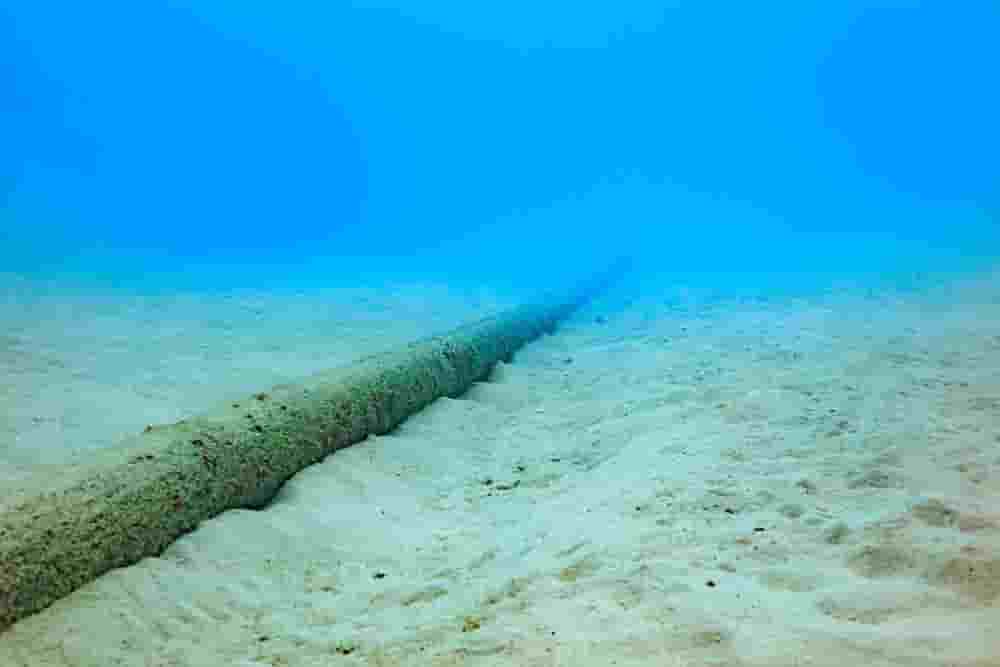
Grid connectivity is another important consideration. Electricity generated far offshore must be transmitted efficiently to onshore power systems through subsea cable infrastructure. Continued investment in grid modernization and transmission capacity will be essential to supporting large-scale deployment.
Environmental monitoring also remains critical. Developers must carefully assess marine ecosystems, fisheries, and ocean biodiversity to ensure responsible project planning and long-term sustainability.
Governments and energy companies are increasingly supporting floating wind through funding programs, pilot projects, and renewable energy policies. As technology improves and production scales increase, costs are expected to decline, making floating wind more commercially competitive in the years ahead.
Floating wind represents more than a technological advancement—it reflects the next stage in offshore renewable energy development. By unlocking access to deeper ocean wind resources, the industry has the potential to transform global clean energy generation and support the transition toward a lower-carbon future.
Takeaway Point:
Floating wind technology is expanding renewable energy generation into deeper offshore waters, creating new opportunities for clean power, energy security, and long-term sustainability.
Learn more on our website: https://www.leadventgrp.com/event/6th-annual-floating-wind-europe/register
For more information and group participation, contact us: [email protected]
Leadvent Group - Industry Leading Events for Business Leaders!
www.leadventgrp.com | [email protected]






Comment