

Net Zero: Transforming the Future of Global Sustainability
As climate change continues to shape global policy and economic priorities, net zero has become one of the most important goals driving the transition toward a sustainable future. Governments, businesses, and industries across the world are adopting net zero strategies to reduce greenhouse gas emissions and support long-term environmental resilience.
Net zero refers to achieving a balance between the amount of greenhouse gases emitted into the atmosphere and the amount removed or offset. This is achieved by significantly reducing emissions while using solutions such as renewable energy, carbon capture technologies, and environmental restoration projects to address any remaining emissions.
The growing focus on net zero reflects the urgent need to limit global warming and reduce dependence on fossil fuels. Sectors such as energy, transportation, manufacturing, construction, and agriculture are among the largest contributors to carbon emissions, making them central to global decarbonization efforts.
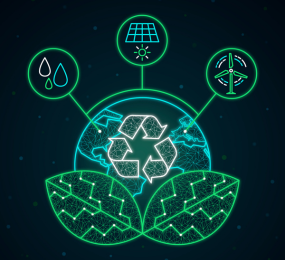
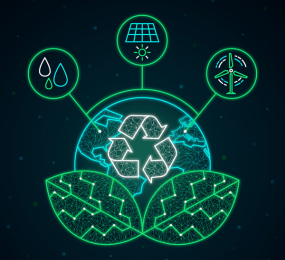
Renewable energy is one of the strongest drivers of net zero progress. Solar, wind, hydroelectric, and other clean energy technologies are helping countries transition away from carbon-intensive electricity generation. Businesses are also increasingly investing in renewable power agreements and energy-efficient infrastructure to lower operational emissions and improve sustainability performance.
Energy efficiency plays a major role in achieving net zero targets. Organizations are adopting smart technologies, digital monitoring systems, and automation tools to optimize energy use and reduce waste. Modern buildings and industrial facilities are being designed with sustainability in mind, helping improve operational performance while lowering environmental impact.
Transportation is also undergoing major transformation. Electric vehicles, cleaner public transport systems, sustainable aviation fuels, and low-carbon shipping technologies are helping reduce emissions across global mobility networks. In sectors where direct electrification remains difficult, industries are exploring alternatives such as hydrogen and e-fuels to support cleaner operations.
Carbon capture and storage (CCS) technologies are becoming increasingly important in the path toward net zero. These systems capture carbon dioxide emissions before they enter the atmosphere and either store or reuse them in industrial applications. While still developing at large scale, CCS is expected to play a critical role in reducing emissions from hard-to-abate industries.
Businesses are now integrating net zero commitments into long-term corporate strategy. Investors, consumers, and regulators are placing greater emphasis on sustainability performance and environmental accountability. Companies with strong climate strategies are often viewed as more resilient and better prepared for future market and policy changes.
Financial institutions are also supporting the transition by increasing investment in sustainable infrastructure, renewable energy projects, and low-carbon technologies. ESG-focused investment strategies continue to gain momentum as sustainability becomes more closely connected to long-term economic value.
Despite strong progress, achieving net zero remains a complex challenge. Many industries face high transition costs, infrastructure limitations, and technological barriers. Consistent policy support, global cooperation, and continued innovation will be essential to accelerating progress.
Public awareness is also influencing change. Consumers are increasingly supporting environmentally responsible products and services, encouraging businesses to strengthen sustainability commitments and reduce environmental impact.
Net zero is no longer simply an environmental objective, it is becoming a global economic transformation strategy. As industries continue investing in cleaner technologies and sustainable operations, net zero will remain central to building a more resilient and low-carbon future.
Takeaway Point:
Net zero strategies are helping drive the transition toward a cleaner and more sustainable future through renewable energy, innovation, and long-term emission reduction efforts.
Learn more on our website: https://www.leadventgrp.com/event/industrial-net-zero-and-decarbonisation-europe/register
For more information and group participation, contact us: [email protected]
Leadvent Group - Industry Leading Events for Business Leaders!
www.leadventgrp.com | [email protected]














Comment